


Newsletter Subscribe
Enter your email address below and subscribe to our newsletter


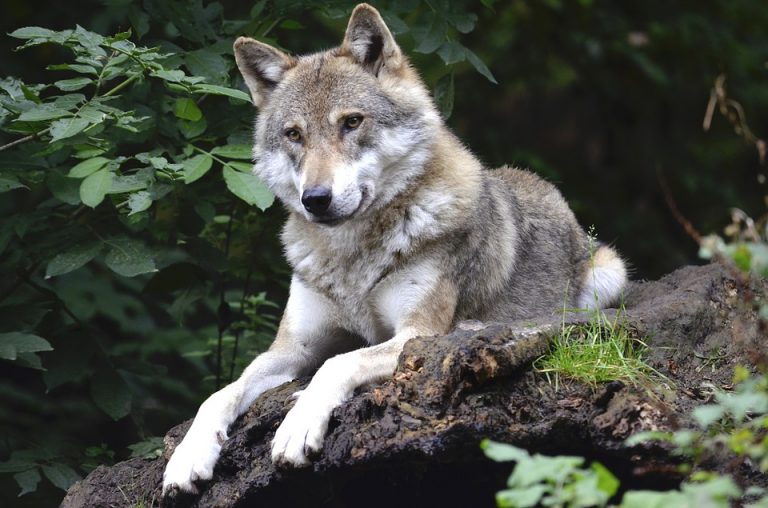
For the first time in 140 years, wolves have an official home in the Netherlands. Ecologists told BBC Radio 4 that a female wolf they had been tracking had stayed in the country for six months and could therefore be…
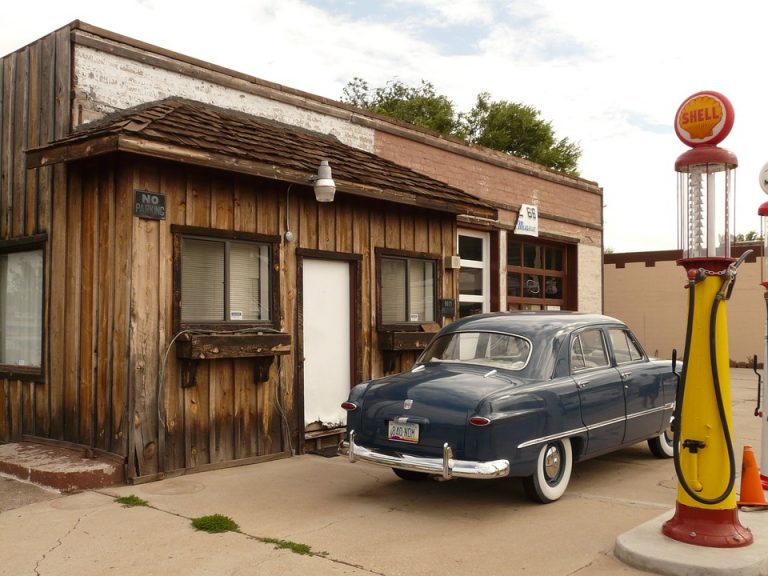
Royal Dutch Shell has committed to invest $300 million (£230m) over the next three years in projects that help offset carbon emissions. It will fund large-scale forest projects in Indonesia, Peru and the US as part of its strategy to…

Scientists estimate that at least 100 million and maybe as many as a billion birds die each year in the US when they collide with buildings, especially glass-covered or illuminated skyscrapers. And, in a new report, conservationists now have a…

The restoration of natural forests and coasts can simultaneously tackle climate change and the annihilation of wildlife but is being worryingly overlooked, an international group of campaigners have said. Animal populations have fallen by 60% since 1970, suggesting a sixth…
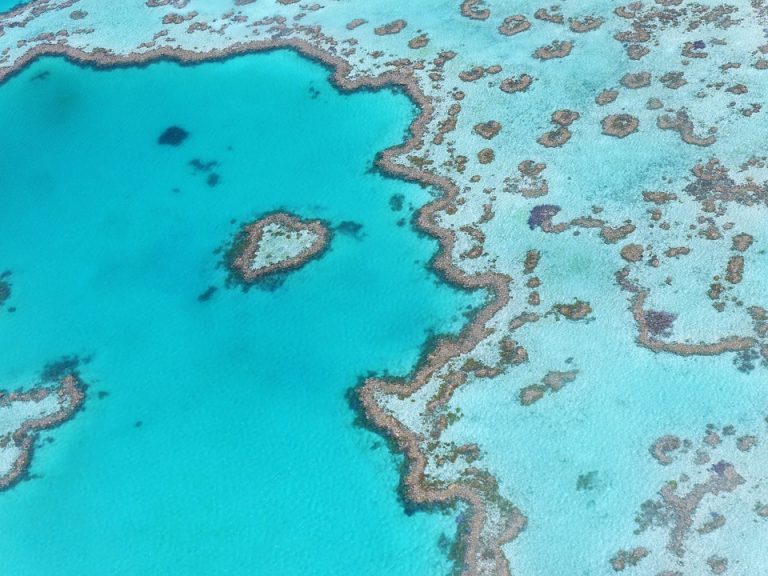
The Great Barrier Reef faces yet “another nail in the coffin,” Dr. Simon Boxall from the National Oceanography Centre Southampton told BBC News Friday. That is because the Great Barrier Reef Marine Park Authority (GBRMPA) has approved plans to dump…
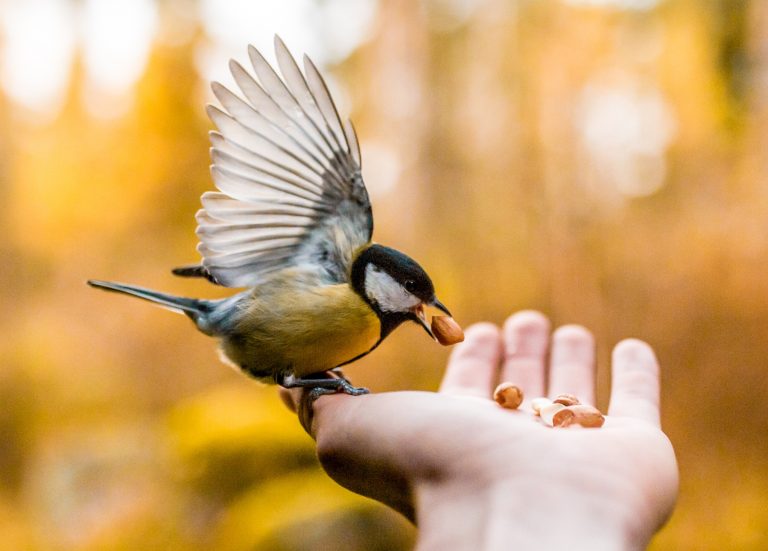
A drop in global biodiversity is putting our ability to produce food at risk, a new United Nations report warns. According to the UN’s Food and Agriculture Organization, biodiversity in food and agriculture “is indispensable to food security and sustainable…
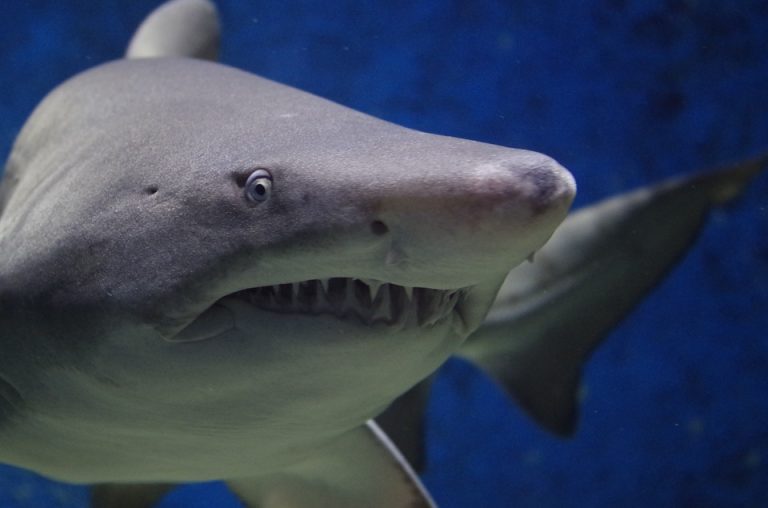
Much of the planet’s megafauna is being driven extinct because of the usual causes: habitat loss and rampant poaching for body parts like horns, bones and tusks. But there is another reason large vertebrates are going extinct: people keep on…