


Newsletter Subscribe
Enter your email address below and subscribe to our newsletter

Enter your email address below and subscribe to our newsletter
Russia’s invasion of Ukraine and its economic fallout come just as firms in the Western Balkans are recovering from the COVID-19 shock. Today’s presentation “Business resilience in the Western Balkans at times of repeated shocks”, presented by the EIB’s Chief…
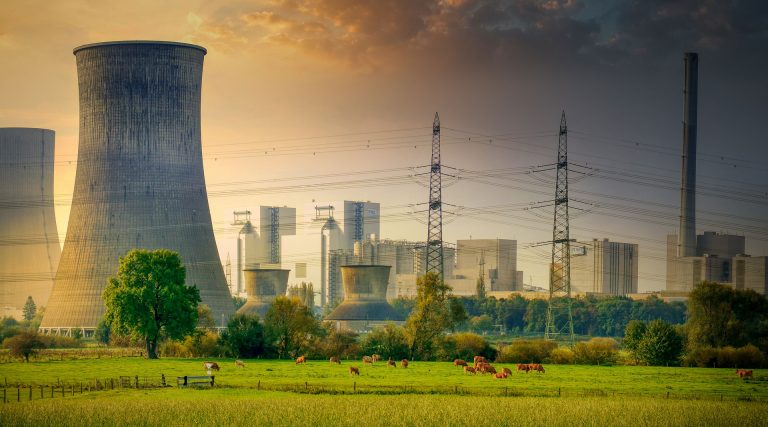
In a few weeks’ time, the EU could classify nuclear power and fossil gas as ‘sustainable’. More specifically, the EU is about to sign off on a list of “green” investments as part of its new investment guidebook, the EU…
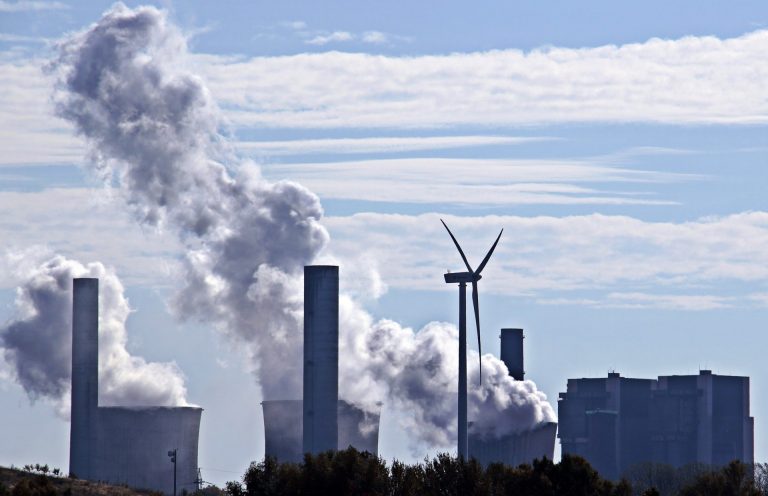
Increased use of coal was the main factor driving up global energy-related CO2 emissions by over 2 billion tonnes, their largest ever annual rise in absolute terms. Global energy-related carbon dioxide emissions rose by 6 percent in 2021 to 36.3…
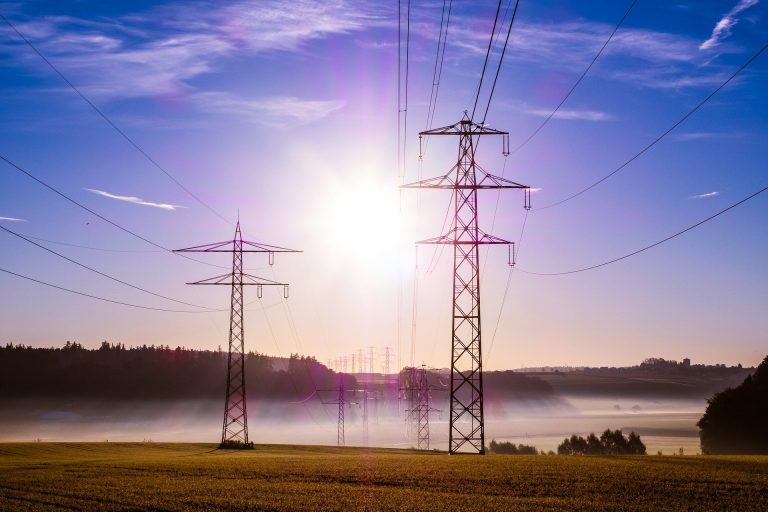
Global electricity demand surged in 2021, creating strains in major markets, pushing prices to unprecedented levels and driving the power sector’s emissions to a record high. Electricity is central to modern life and clean electricity is pivotal to energy transitions,…
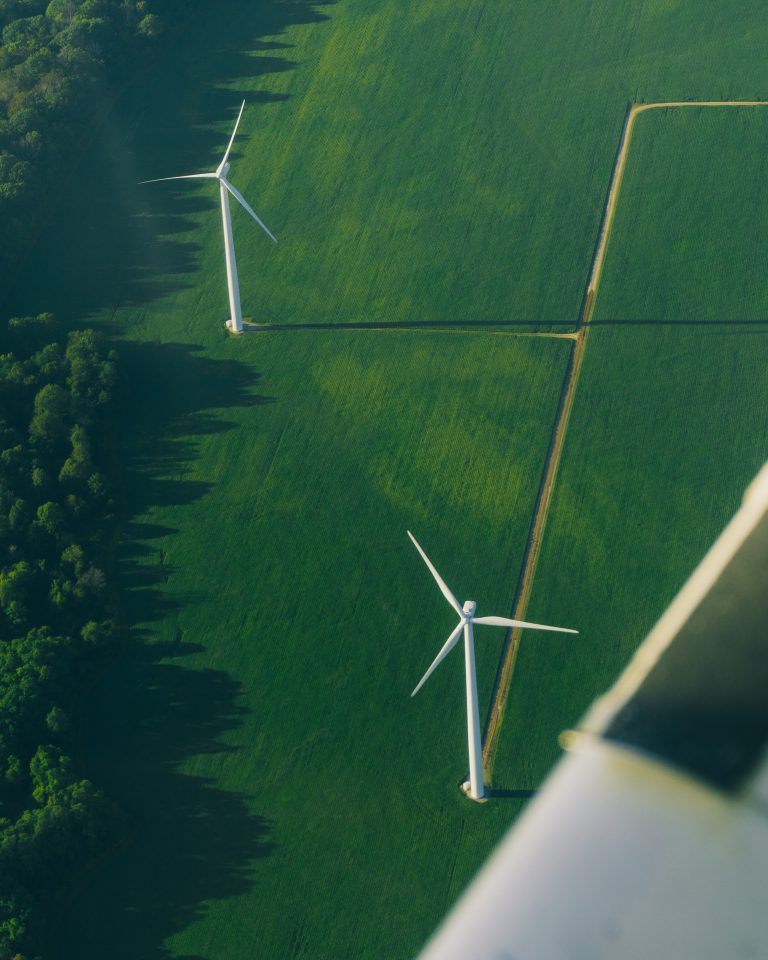
G7 members are well placed to fully decarbonise their electricity supply by 2035, which would accelerate the technological advances and infrastructure rollouts needed to lead global energy markets towards net zero emissions by 2050, according to a new report from…
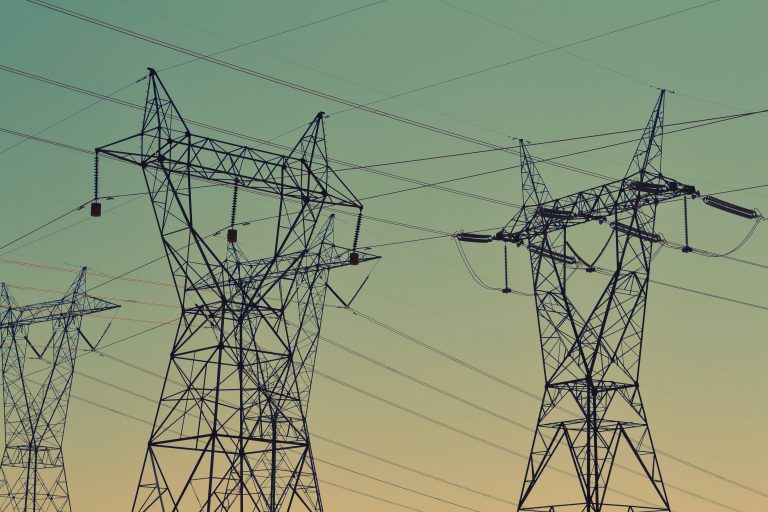
Renewables are expanding quickly but not enough to satisfy a strong rebound in global electricity demand this year, resulting in a sharp rise in the use of coal power that risks pushing carbon dioxide emissions from the electricity sector to…
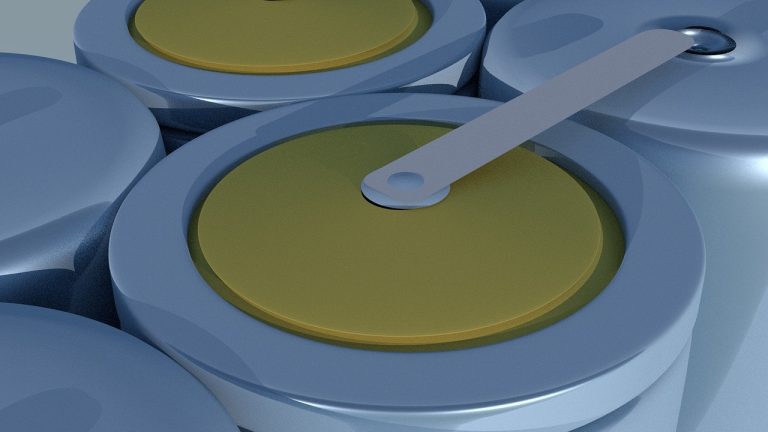
There is a massive technological appetite for lithium-ion (Li-Ion) batteries. However, their mass application is limited by lithium resources and problems related to the cost and safety of the battery due to the presence of lithium, cobalt and hazardous organic…