
Newsletter Subscribe
Enter your email address below and subscribe to our newsletter
Enter your email address below and subscribe to our newsletter

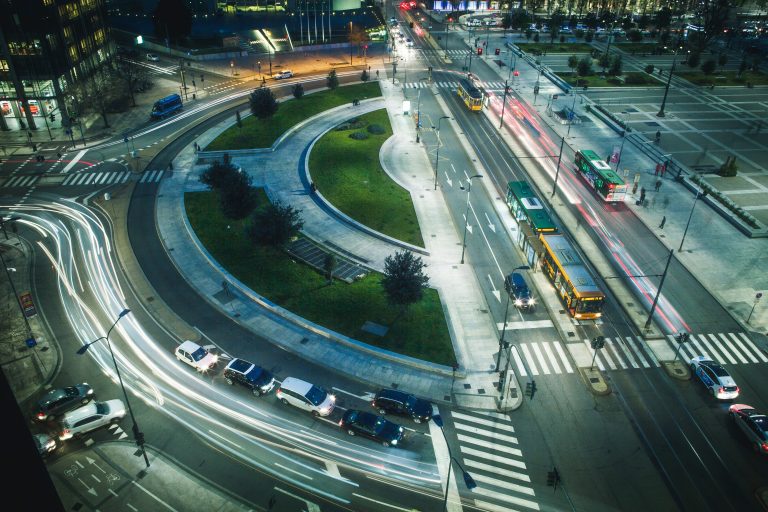
The European Environment Agency’s (EEA) data confirm large decreases in air pollutant concentrations — of nitrogen dioxide (NO2) concentrations in particular — largely due to reduced traffic and other activities, especially in major cities under lockdown measures. Reductions of around…
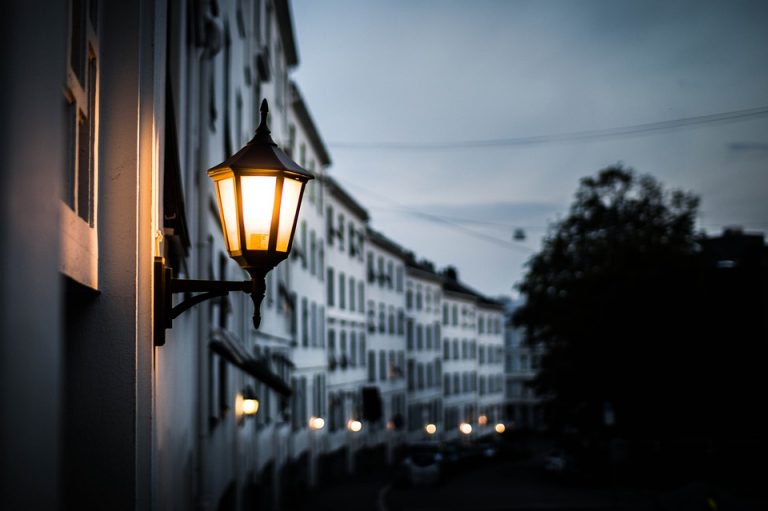
For hundreds of millions of years, the web of life on land has been dependent on, and determined by, day and night, light and dark. Photosynthesis, the process by which plants grow, depends on light and dark. And all animals…
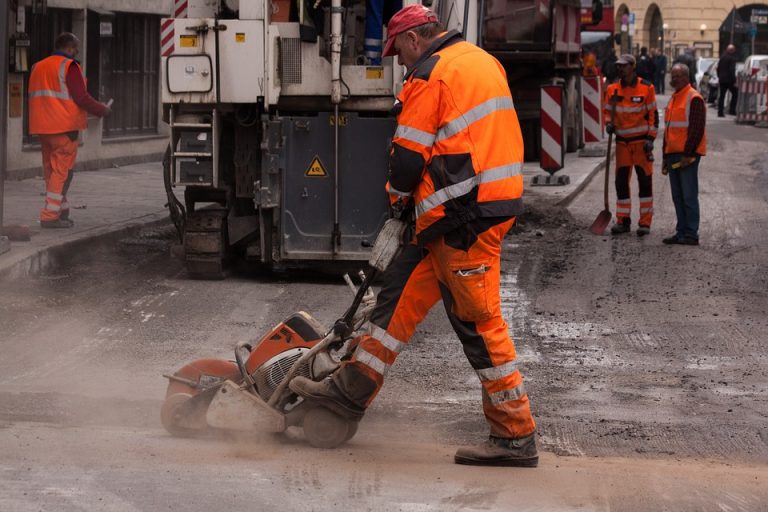
Road traffic is the top source of noise pollution in Europe, the new EEA report ‘Noise in Europe – 2020’ says, with noise levels projected to rise in both urban and rural areas over the next decade due to urban…
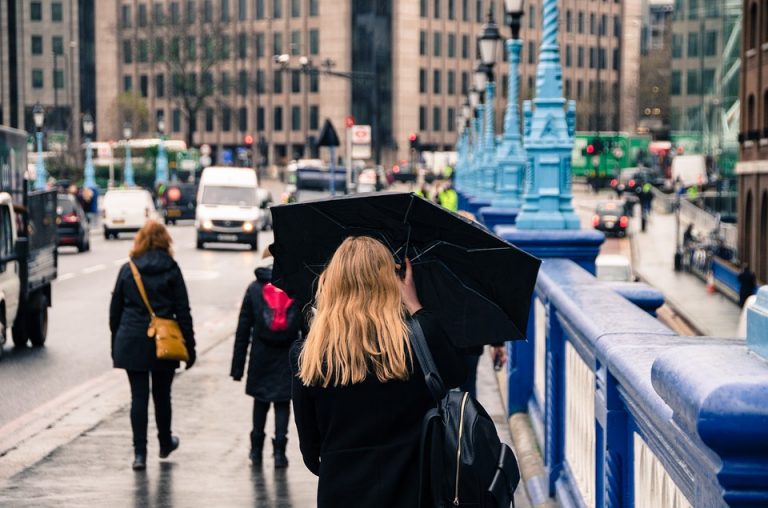
Microplastic pollution is raining down on city dwellers, with research revealing that London has the highest levels yet recorded. The health impacts of breathing or consuming the tiny plastic particles are unknown, and experts say urgent research is needed to…
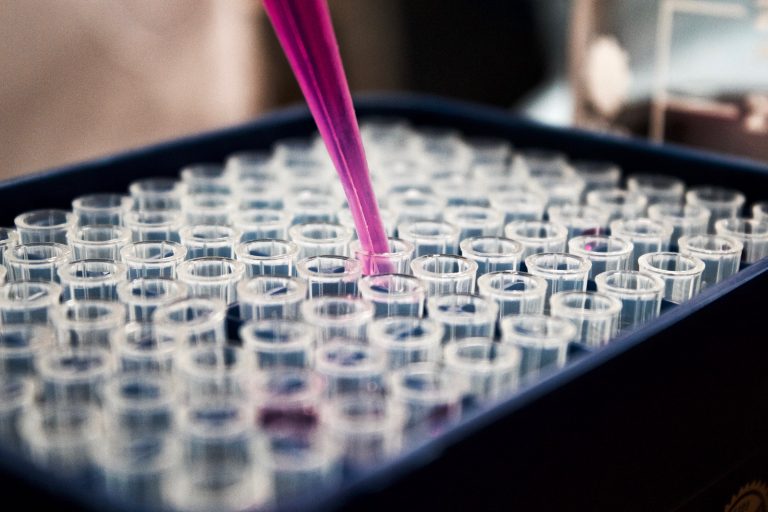
The EEA briefing ‘Emerging chemical risks in Europe — PFAS’ presents an overview of the known and potential risks to human health and the environment in Europe posed by per- and polyfluorinated alkyl substances (PFAS). These extremely persistent and man-made…

Britons’ love of novelty Christmas jumpers is helping to fuel the world’s plastic pollution crisis, a report has warned. Whether emblazoned with flashing lights or alpine motifs, 12m jumpers are set to be snapped up this year, despite 65m already…
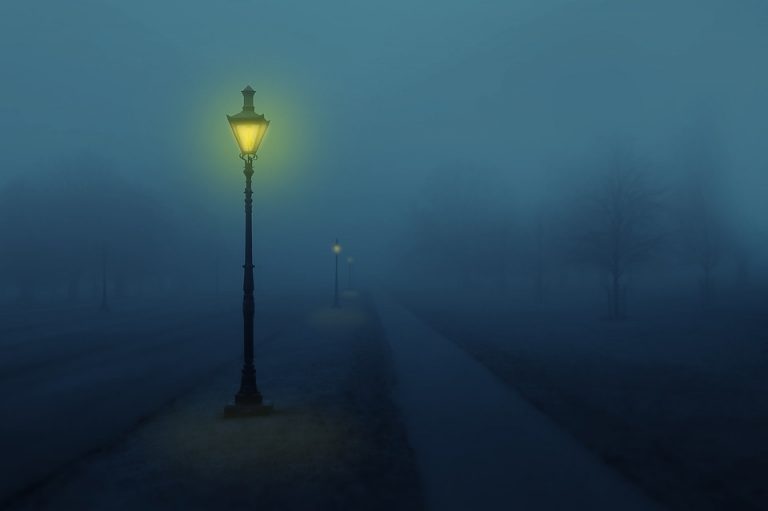
Light pollution is a significant but overlooked driver of the rapid decline of insect populations, according to the most comprehensive review of the scientific evidence to date. Artificial light at night can affect every aspect of insects’ lives, the researchers…