


Newsletter Subscribe
Enter your email address below and subscribe to our newsletter


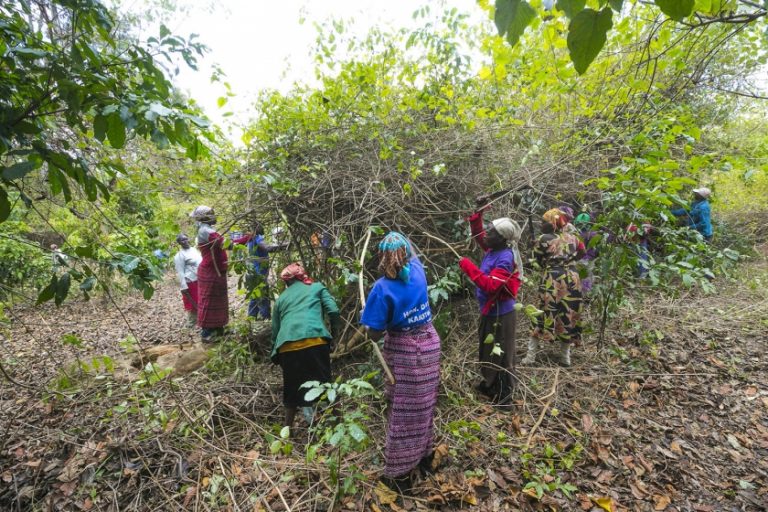
When Zipporah Matumbi was growing up, she loved the way the forest in her village in East Kenya had a dense canopy. As an adult, she noticed that with extensive logging, the forest was disappearing. So she gathered a group…
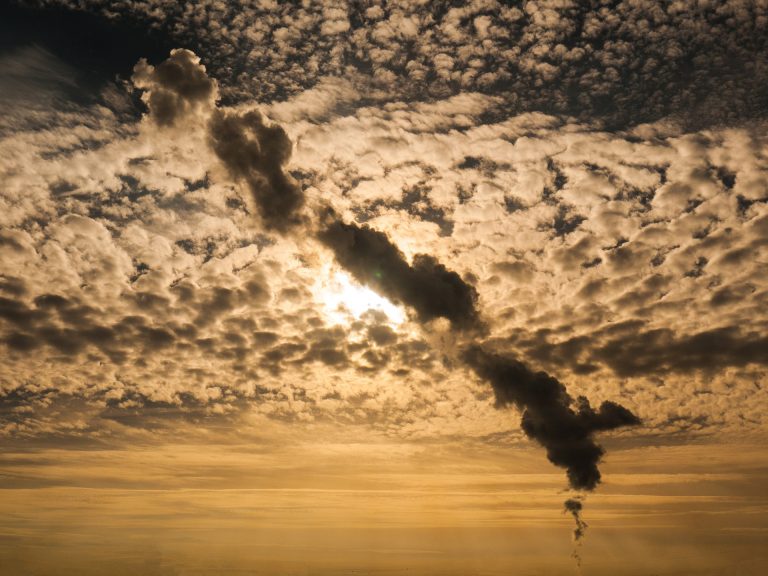
The United Nations Environment Programme (UNEP), together with UN-Habitat and IQAir, a Swiss air quality technology company, today launched the world’s largest air quality data platform, bringing together real-time air pollution data from over 4,000 contributors, including citizens, communities, governments…

In our fight against global warming, energy efficiency is the low-hanging fruit of cutting carbon emissions. It reduces the need to produce more energy and is quick, easy and inexpensive. The goal of ending global hunger by the UN’s target…
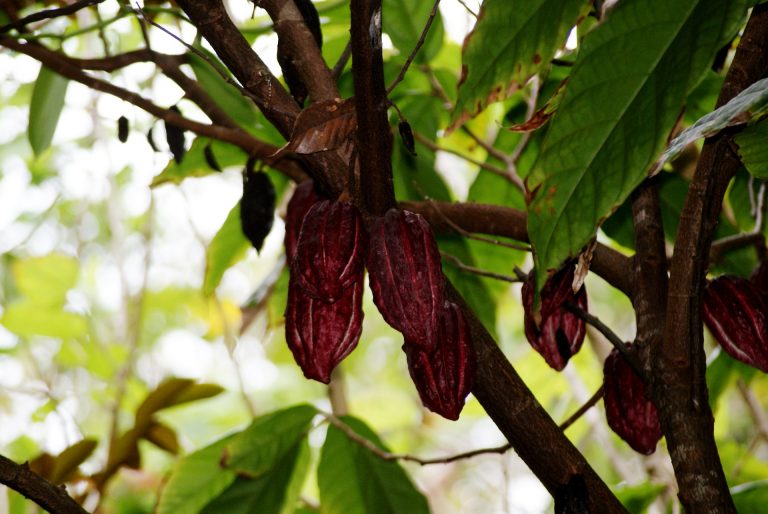
The Ivory Coast’s dwindling rainforests could be “wiped out” under a new law that will see legal protections removed from thousands of square miles of classified forest and unprecedented power handed to industrial chocolate manufacturers. Civil society groups, environmental campaigners…

The Secretary-General of the World Tourism Organization (UNWTO), Zurab Pololikashvili, and the CEO of Iberia, Luis Gallego, have signed a cooperation agreement in favour of sustainable tourism, at the headquarters of the airline. The two organizations share a commitment to…
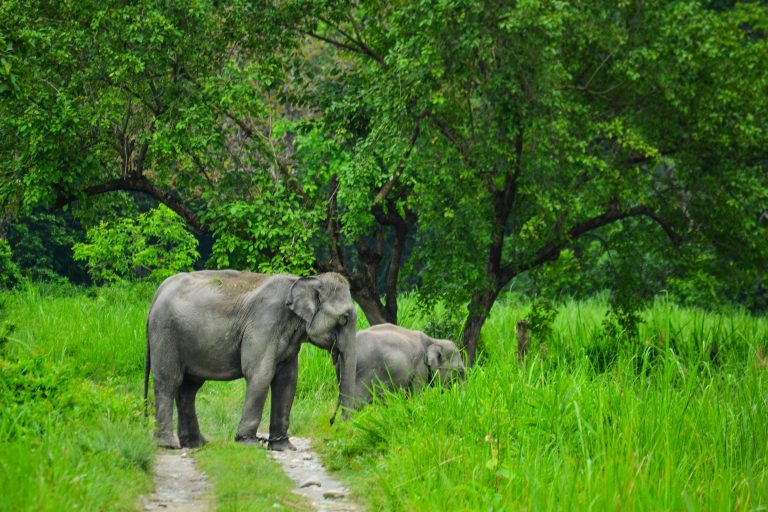
Forest elephant extinction would exacerbate climate change. That’s according to a new study in Nature Geoscience which links feeding by elephants with an increase in the amount of carbon that forests are able to store. The bad news is that…

An increase in heat stress at work linked to climate change is projected to cost the global economy the equivalent of $2.4 billion (£1.9bn) a year and lead to tens of millions of job losses. That’s according to the International…