
Newsletter Subscribe
Enter your email address below and subscribe to our newsletter


Neonicotinoid pesticides have commonly been linked to the plight of honeybees. But a new study from the University of Guelph finds that honeybees aren’t the only non-pest creatures that are coming into contact with the pesticides. Neonicotinoids, sometimes called neonics,…
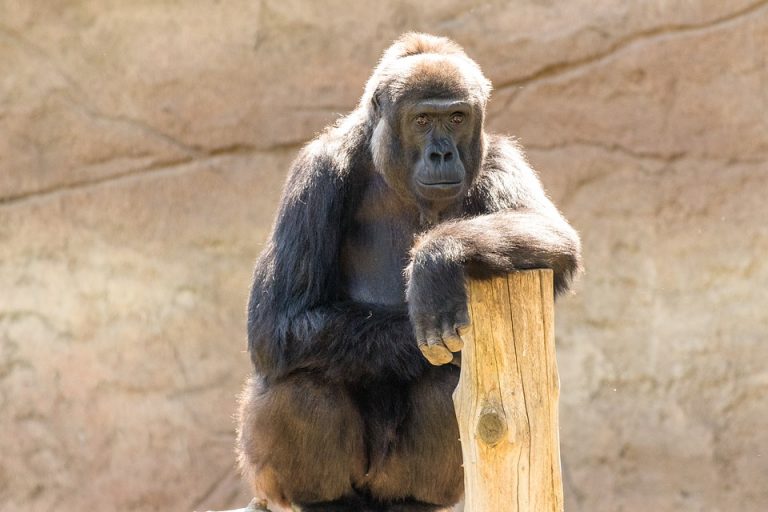
The news coming out of East Africa’s Virunga Mountains these days would have made the late (and legendary) conservationist Dian Fossey very happy. According to the most recent census, the mountain gorillas introduced to the world in Gorillas in the…
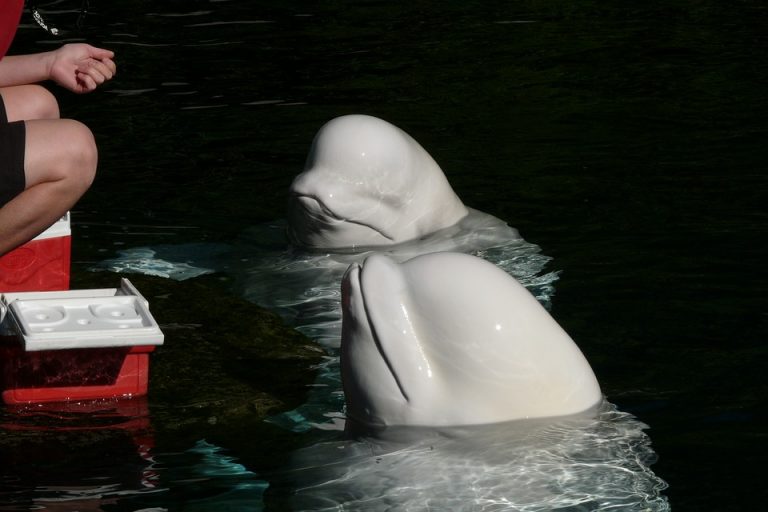
In 2019, two beluga whales, named Little Grey and Little White, will be transported from the Changfeng Ocean World aquarium in Shanghai to the world’s first whale sanctuary in a protected bay in Iceland. Established by the SEA LIFE Trust…

Near the statue of Jan Van Eyck, Skyscraper (the Bruges Whale) rises up from the Bruges canals. The gigantic sculpture is more than just a representation of a whale; the animal is made of waste, collected from the plastic soup…
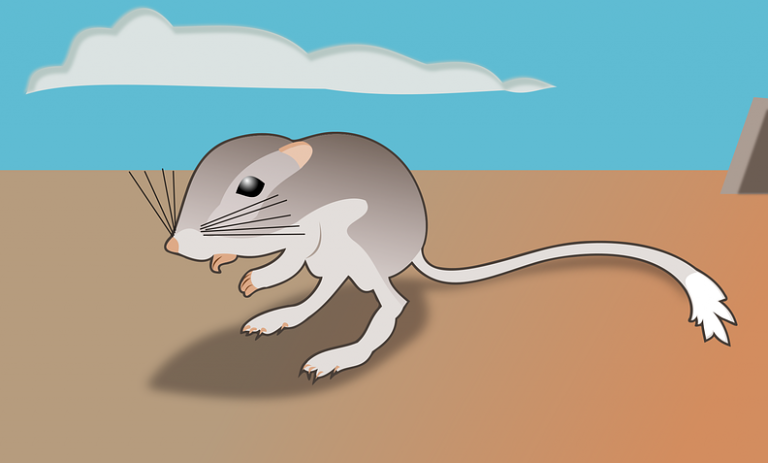
At dusk, San Diego Natural History Museum mammalogist Scott Tremor set up a few live traps in some abandoned agricultural fields in Baja California, Mexico. With Sula Vanderplank, a botanist and research associate at the museum, and several graduate students…
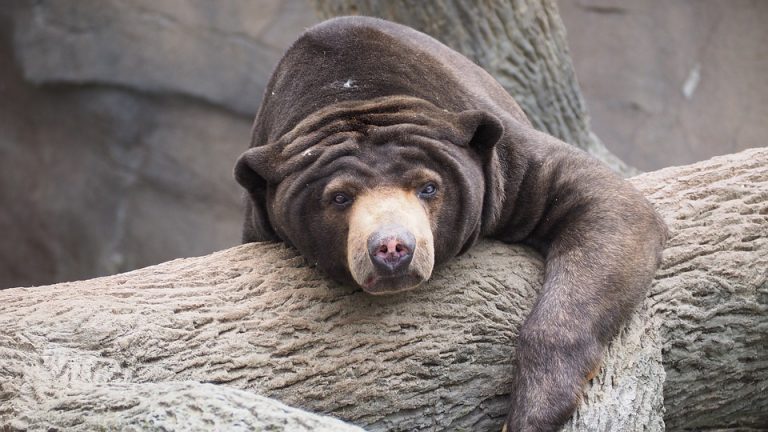
Thanks to human activity, some daytime animals are switching over to the night shift. Justin Brashares noticed it first in 2013, when he was studying olive baboons in Ghana: during times that humans were around, the primates stayed up long…
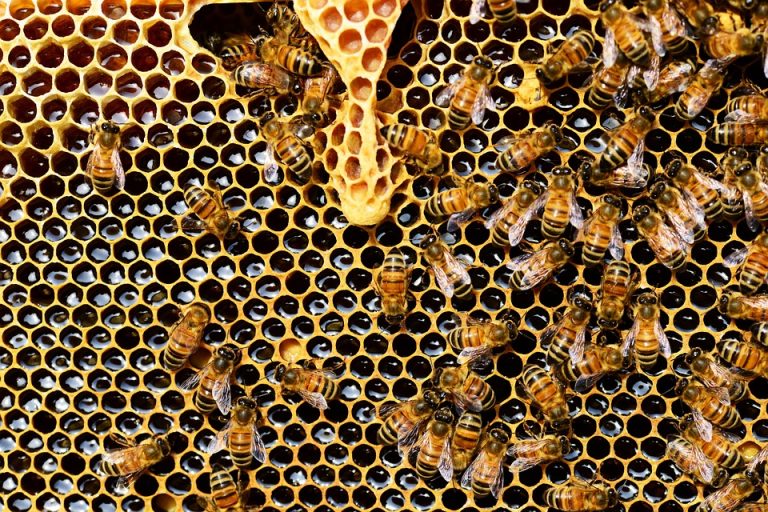
Right now, we’re in a real crisis when it comes to bees. Every year, about a third of our honeybee colonies collapse. And the 4,000 native bee species in the United States suffer from those same threats that honeybees do.…