

Newsletter Subscribe
Enter your email address below and subscribe to our newsletter



For hundreds of millions of years, the web of life on land has been dependent on, and determined by, day and night, light and dark. Photosynthesis, the process by which plants grow, depends on light and dark. And all animals…

Diseases passed from animals to humans are on the rise, as the world continues to see unprecedented destruction of wild habitats by human activity. Scientists suggest that degraded habitats may encourage more rapid evolutionary processes and diversification of diseases, as…
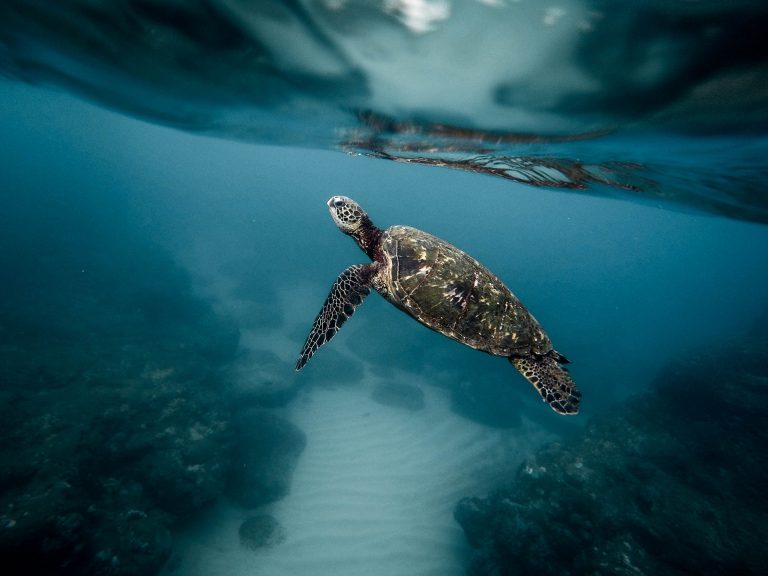
Joining the global celebration of the United Nations World Wildlife Day, representatives of UN Member States, UN System organizations, international and non-governmental organizations, rural communities and youth gathered at the UN Headquarters in New York and Geneva to mark the…
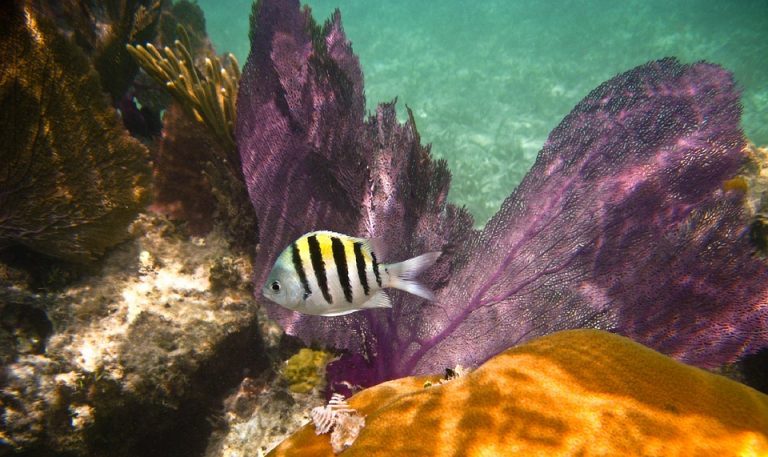
World Wildlife Day (3 March) is a chance to appreciate all that nature provides. This year’s theme, “Sustaining all life on Earth”, gives thanks to our natural world that allows wild animals, plants and humans to thrive in harmony. Among…
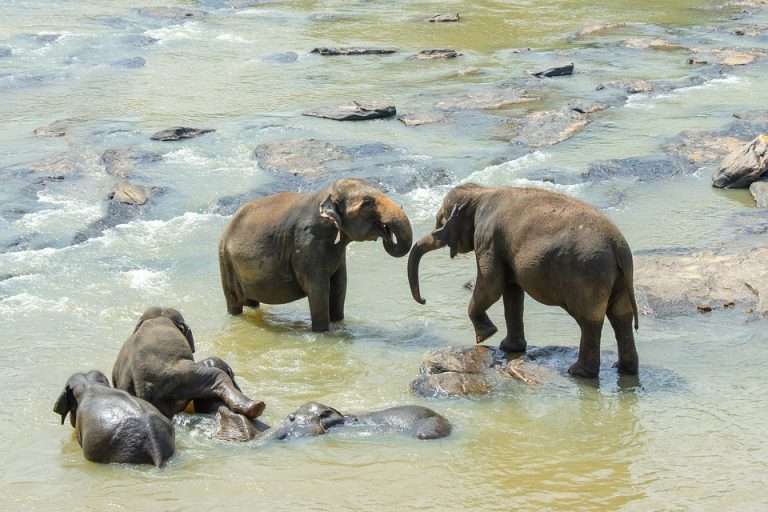
Ten migratory species added to global wildlife agreement including the Asian Elephant, Jaguar and Great Indian Bustard Gandhinagar declaration sends strong message on importance of migratory species for new global biodiversity strategy The Thirteenth Meeting of the Conference of the…
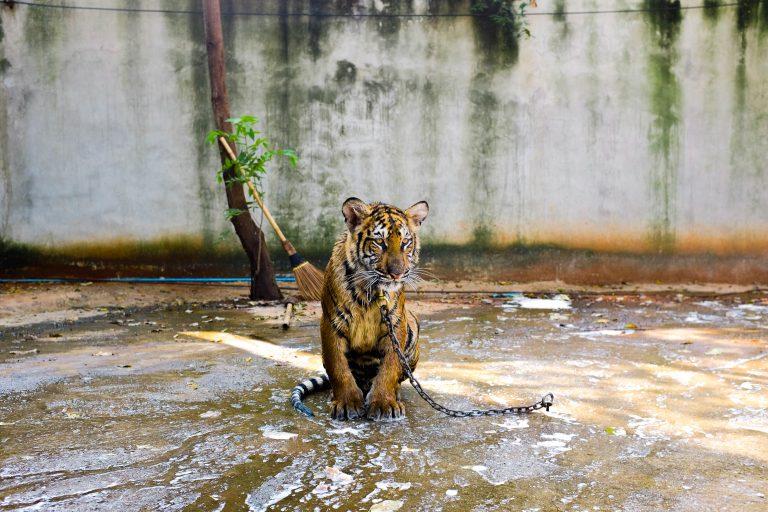
The world is dealing with unprecedented threats to wildlife. The loss of habitat from farming, mining and new urban developments has dramatically decreased the natural space for wildlife. Add to that the human demand for wildlife products—which generates as much…
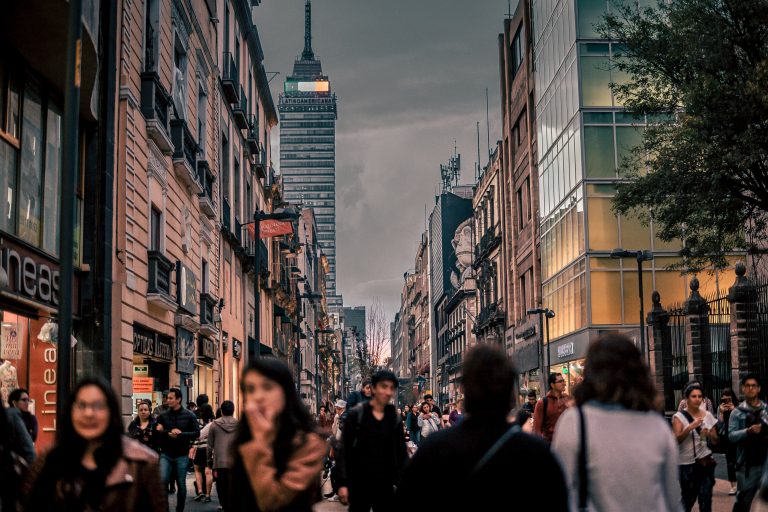
Paper cones, called “cucuruchos”, have been traditionally used by shoppers in Mexico City for carrying spices and grains. Now these plastic-free alternatives are making a comeback, along with straw baskets and reusable cloth bags, after a ban on plastic bags…