


Newsletter Subscribe
Enter your email address below and subscribe to our newsletter



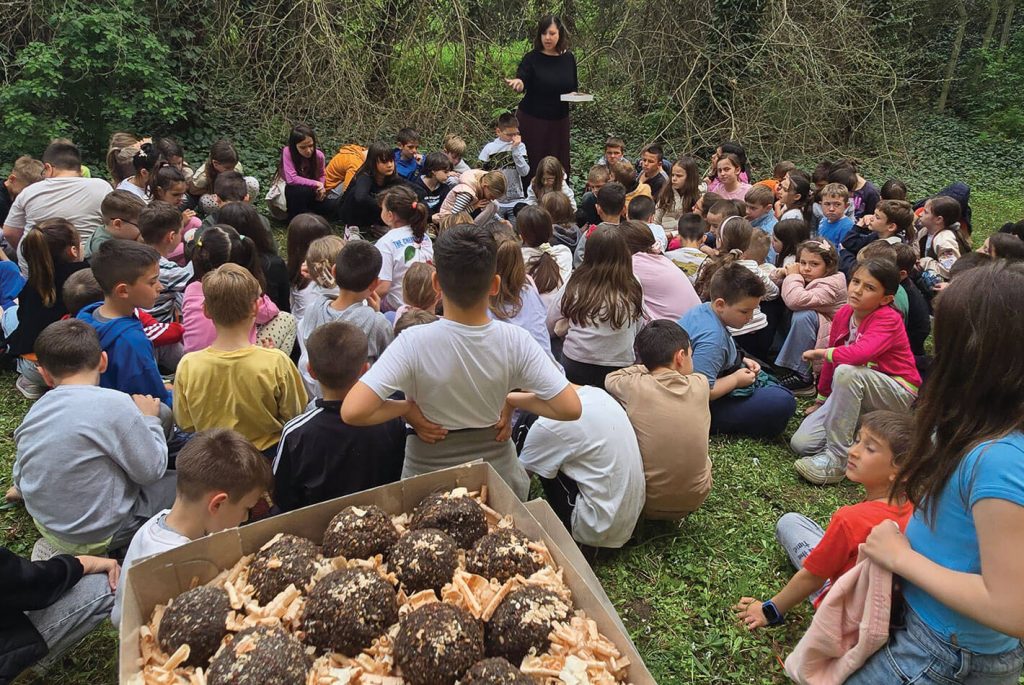
Protecting plants is vital for the future of our planet – that’s why 2020 is the International Year of Plant Health. Plants aren’t just a nice addition to your windowsill: they are the source of 98 percent of the air…
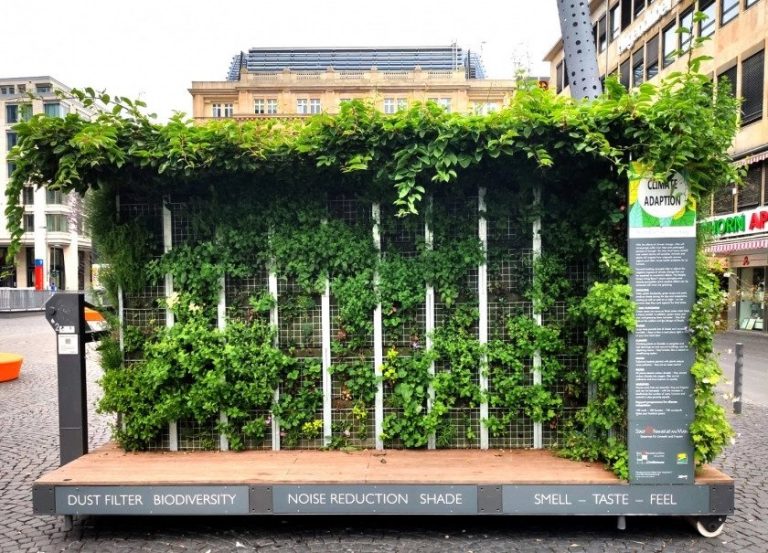
The more the planet warms, the more cities are finding they need new ways to keep urban temperatures down and protect their residents. Heatwaves are already by far the deadliest weather-related disasters in Europe; 140,000 deaths associated with 83 heatwaves…
IUCN recently unveiled a Global Standard providing the first-ever set of benchmarks for nature-based solutions to global challenges. The new IUCN Global Standard will help governments, business and civil society ensure the effectiveness of nature-based solutions and maximise their potential…
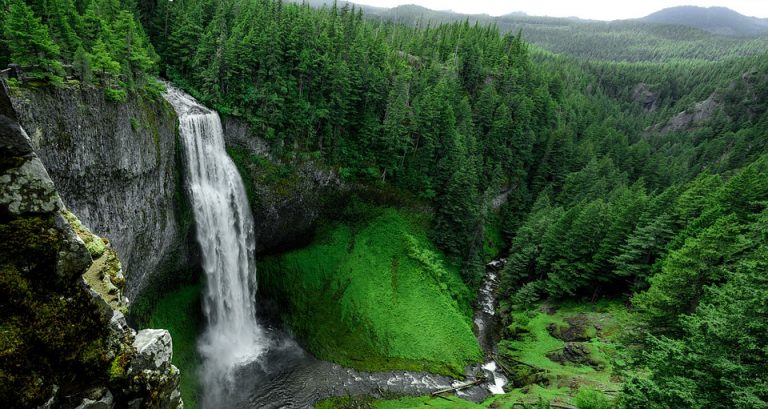
Restoring and protecting nature is one of the greatest strategies for tackling climate change, but not just for the obvious reason that it sucks carbon out the air. Forests, wetlands, and other ecosystems act as buffers against extreme weather, protecting…
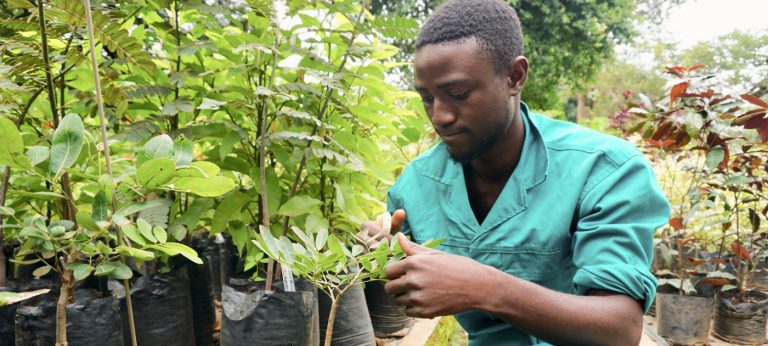
In 2018, the United Nations (UN) declared 2021-2030 as the UN Decade on Ecosystem Restoration in an effort to reverse centuries of damage to forests, wetlands and other ecosystems. The following year, as if to dramatize the urgency, fires swept through…
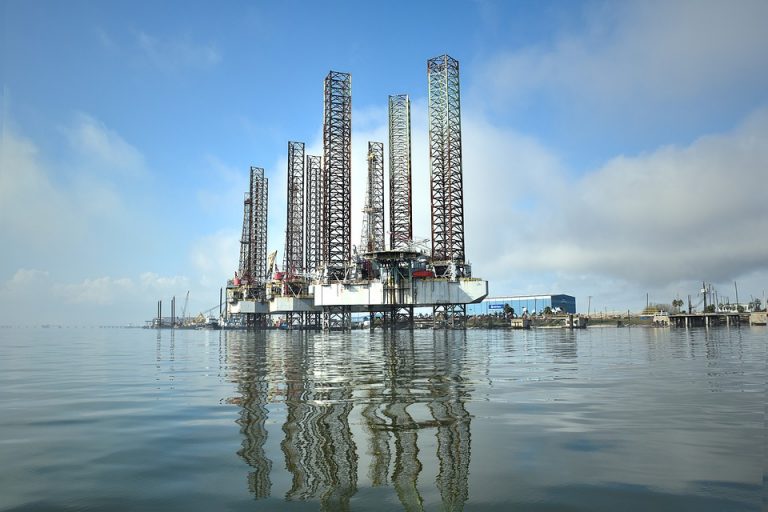
A new commentary published in The Lancet Diabetes & Endocrinology shows how three global health threats – chemical pollution (including endocrine disrupting chemicals), loss of biodiversity and climate change – are more strongly interlinked than previously thought by their common…

The dire social and economic impact of COVID-19 could worsen environmental destruction in the long run. But the pandemic is also teaching us how to use individual choices to tackle a global disaster. “Social learning” is a powerful tool for…