


Newsletter Subscribe
Enter your email address below and subscribe to our newsletter



It seems that we can learn the most about how to wisely manage resources from countries that do not have them at their disposal to a significant extent. Among those shining examples is certainly the country of Israel, which has…

Pellets produced in the Eko Step Pellet factory have lower CO2 gas emissions, contain minimal moisture, and when burnt, the ash is below 1.2 percent, which is within the European A2 standards, with a tendency of reducing to A1. Besides…

Currently, Turkey relies heavily on imported fossil fuels to meet its domestic energy demand. But by embracing the massive growth of its renewable energy market – including biomass and circular waste-free approaches – Turkey can achieve its long-term sustainability and…
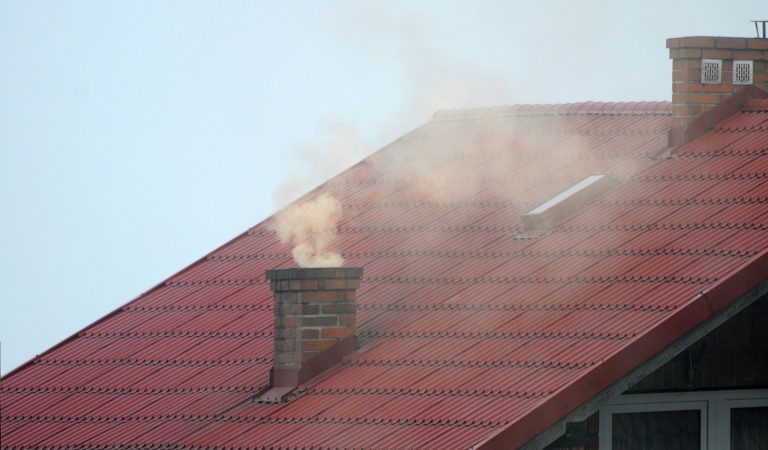
Every year, nearly 4 million people die prematurely from indoor air pollution. Many succumb to diseases linked to inhaling smoke from kerosene, wood and charcoal fires, which are commonly used in the developing world for cooking and heating. To help…
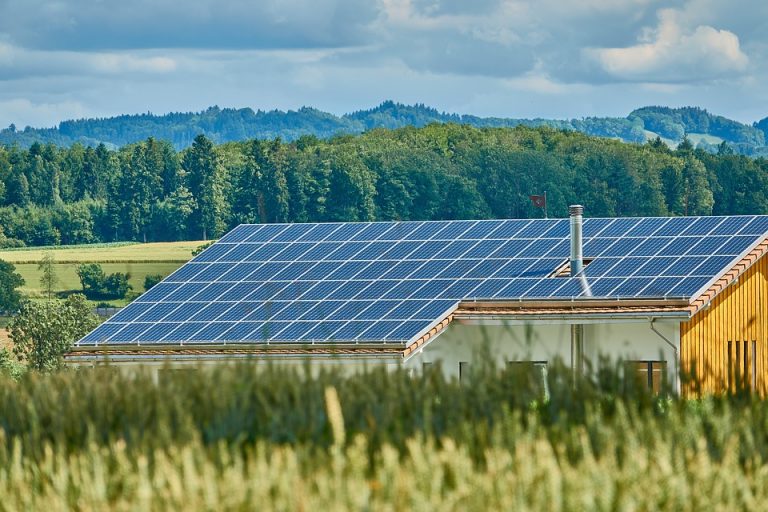
The new Law on Renewable Energy Sources will enable the citizens of Serbia to produce and sell green kilowatts. The novelties brought by this law are auctions for the allocation of premiums and feed-in tariffs, the adoption of the National…
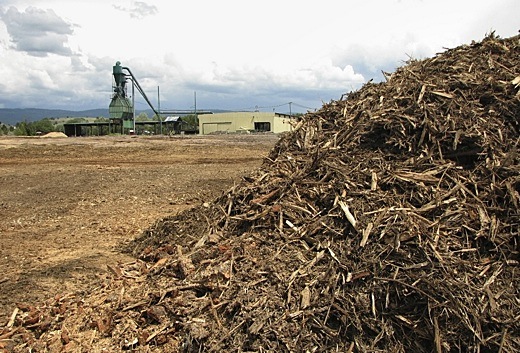
Modern and sustainable forms of bioenergy play an important role in our new special report on how the global energy sector can reach net-zero emissions by 2050, which also examines bioenergy’s advantages and limitations in efforts to address climate change by limiting…

Despite progress in key environmental areas such as clean water, sanitation, clean energy, forest management and waste, countries are still living unsustainably and are on course to miss the environmental dimensions of the 2030 Agenda for Sustainable Development, according to…