

Newsletter Subscribe
Enter your email address below and subscribe to our newsletter


Every year, millions of tons of agricultural waste are produced in Pakistan due to the cultivation of bananas and other crops. To utilize this waste and benefit the local population, scientists have joined forces to develop a solution that will…

Brazil is a frontrunner in clean energy transitions: among the world’s largest economies, it boasts the lowest share of fossil fuels in its energy mix. Holding the G20 Presidency in 2024, Brazil has an opportunity to lead the global energy…

Delta Holding is successfully implementing its ESG strategy, which contributes to environmental protection and the improvement of the quality of life in the community. Tijana Koprivica, the company’s Sustainable Business Manager, spoke about its ESG goals and the projects and…
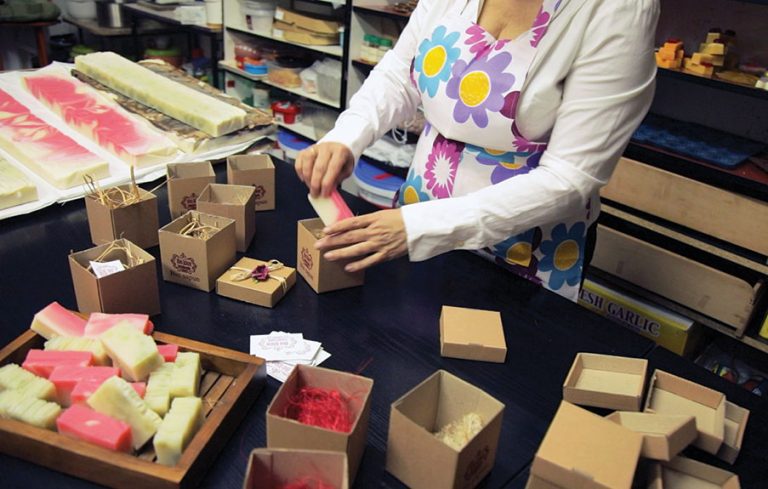
The United Nations Development Programme (UNDP) has a unique financing programme designed by the organization’s key development team. The financing programme is related to Public Calls in the form of challenges for innovation under the auspices of their Green Finance…
The idea of bioplastics is not new – for some time, environmentally oriented scientists have been trying to develop a fully recyclable replacement for plastic as we know it today. Researchers from Hokkaido University in Japan significantly contributed to these…
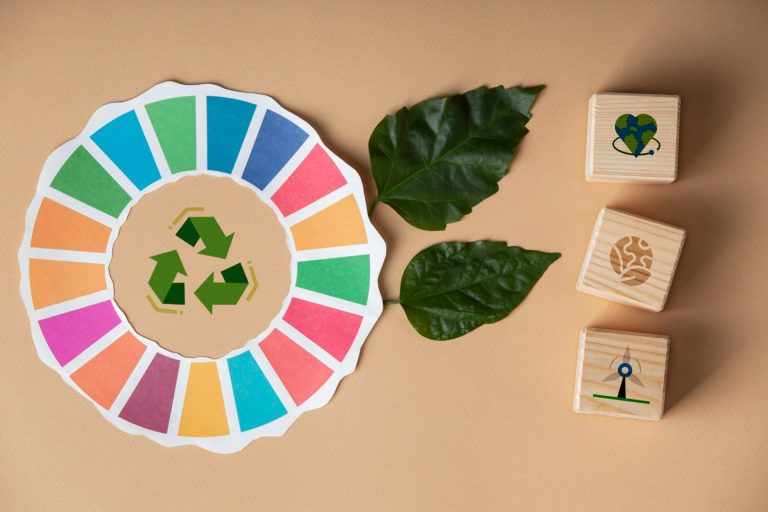
The exploitation of various natural materials and their further use in economic production has a great impact on the generation of greenhouse gas emissions. The circular economy has been promoted worldwide as a solution to the reduction of these emissions.…
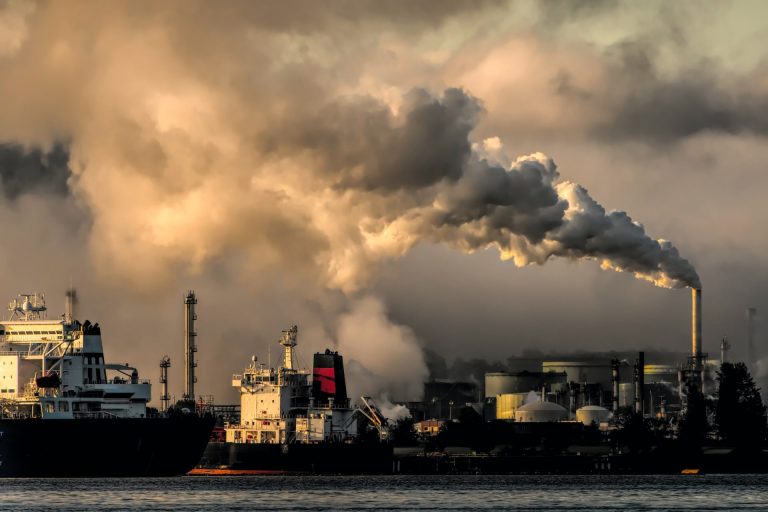
The abundance of heat-trapping greenhouse gases in the atmosphere once again reached a new record last year and there is no end in sight to the rising trend, according to a new report from the World Meteorological Organization (WMO). Global…