

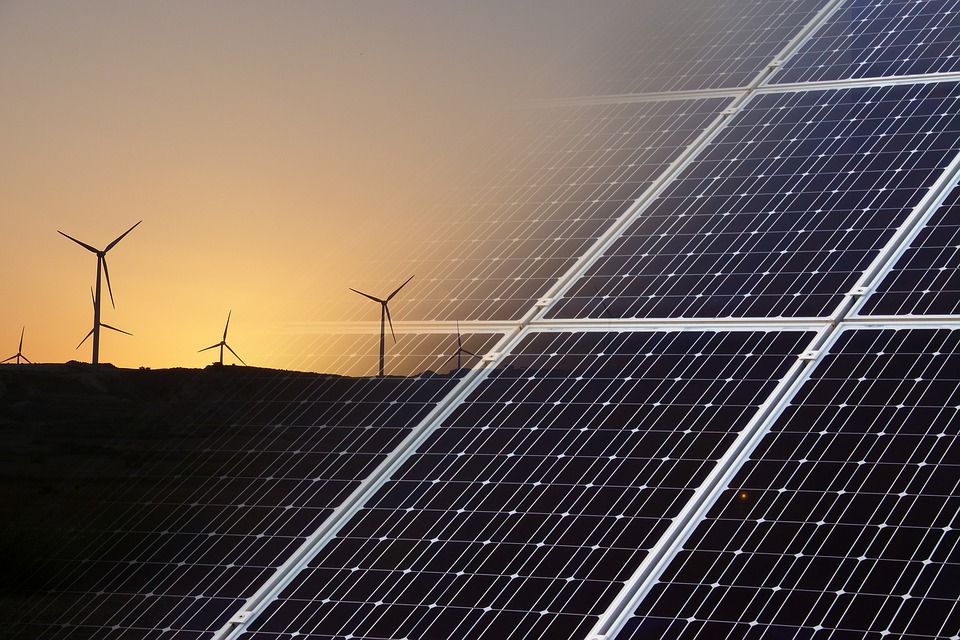


Newsletter Subscribe
Enter your email address below and subscribe to our newsletter


Primeval forests are one of the most valuable and most sensitive ecosystems on Earth. They absorb large amounts of rainfall, serve as a crucial regulatory core of global climate and biogeochemical processes, and provide a home to a vast number…
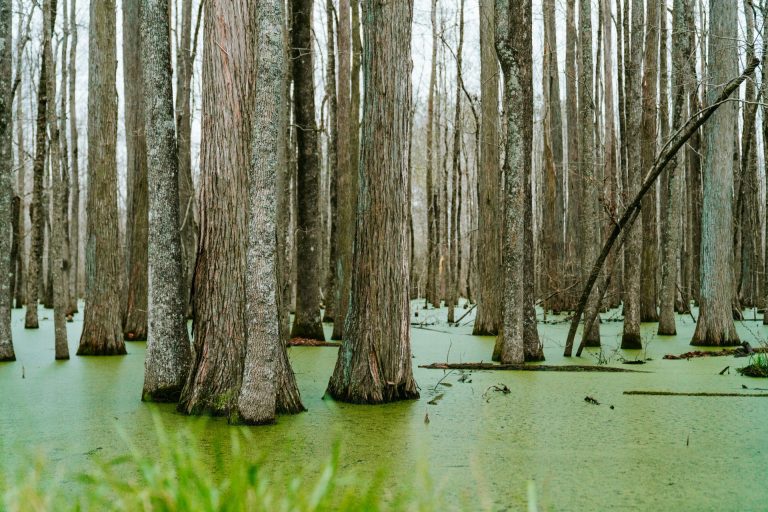
World Wetlands Day is observed on February 2, marking the anniversary of the Ramsar Convention on Wetlands, signed in 1971. Every year on this day, the importance of these ecosystems is highlighted. Although wetlands cover just over 6 percent of…

For thousands of years, during a period of climate stability and resilience of the Earth’s system, humanity has been able to advance in technological and cultural development. A report published by scientists from the Potsdam Institute for Climate Impact Research…

Light pollution, a pressing ecological issue that currently affects over 80 per cent of the world’s population, is a topic of urgent concern. Despite this, the full extent of its impact on plants and animals, and the resulting changes in…
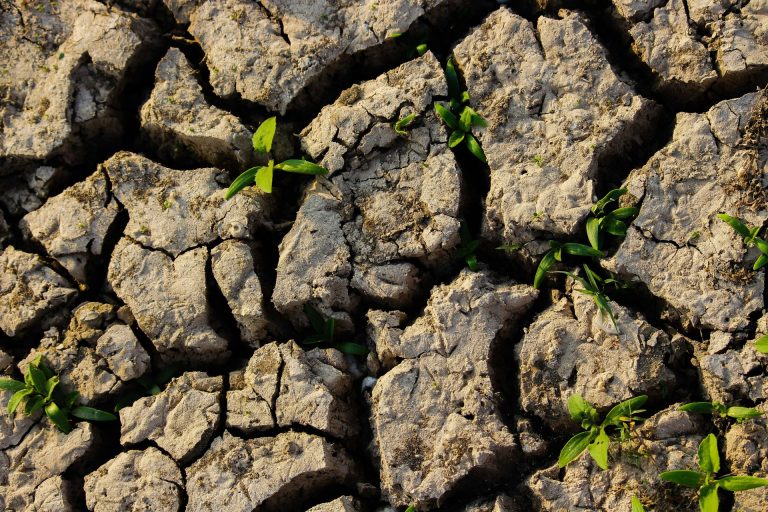
UNESCO is warning that 90 per cent of the planet’s land surface could be degraded by 2050, with major risks for biodiversity and human life. At an international conference in Agadir (Morocco), Audrey Azoulay, Director-General of UNESCO, appealed to the…
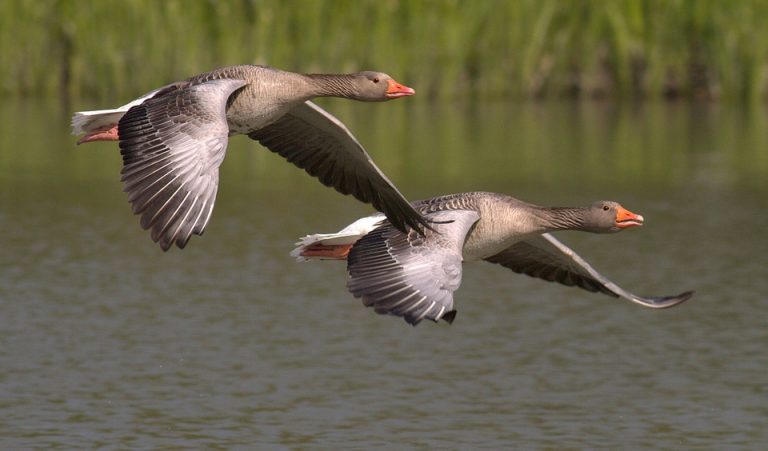
Climate change is altering the living conditions to which we have adapted, and this particularly affects wild species that have evolved over centuries to adapt to their natural habitats. Researchers from the College of Agricultural, Consumer & Environmental Sciences at…
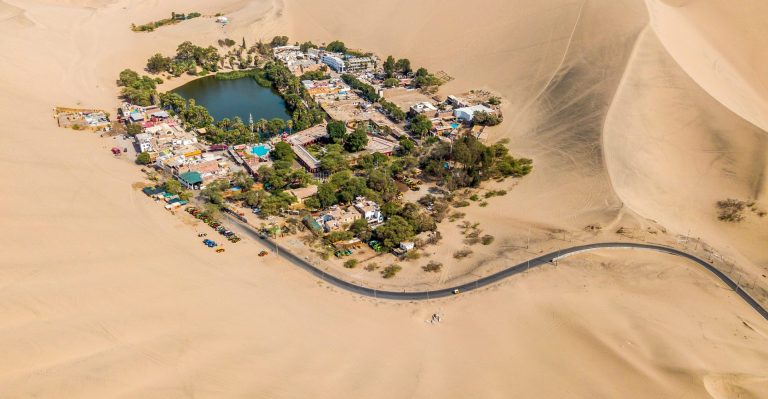
The Sahara, the largest desert on the planet, is about the same area as the continental United States and stretches across several countries, including Algeria, Libya, Egypt, Morocco, Tunisia, Mali, Niger, and Chad. It makes up 31 per cent of…