
Newsletter Subscribe
Enter your email address below and subscribe to our newsletter

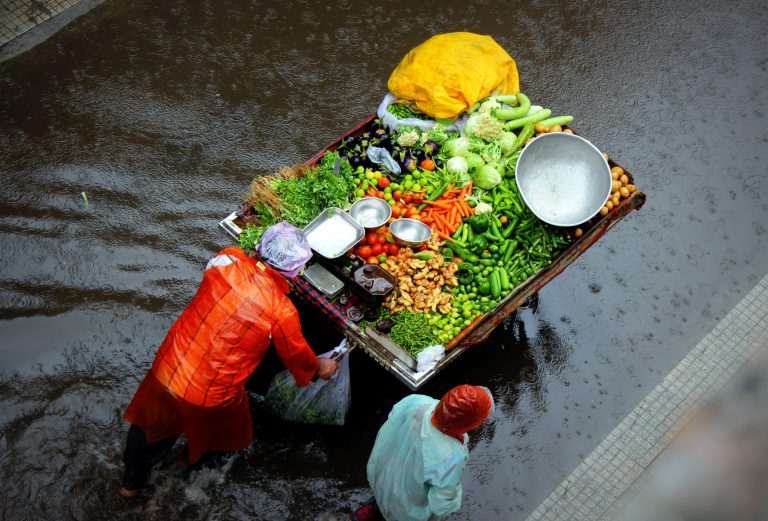
As the new year gets underway, the world continues to grapple with a number of familiar challenges – the continued COVID-19 pandemic, resurgent wildfires, enduring crises of climate change, biodiversity loss, and pollution and waste. Yet, 2022 could prove to…
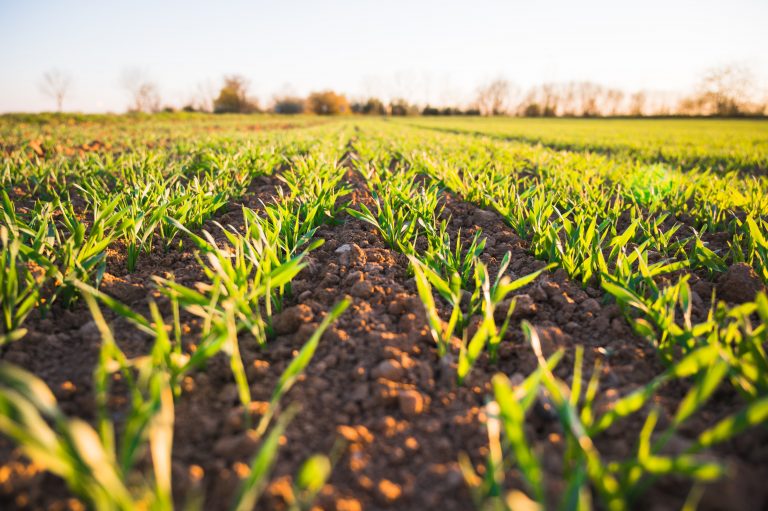
The millions of tons of plastic swirling around the world’s oceans have garnered a lot of media attention recently. But plastic pollution arguably poses a bigger threat to the plants and animals – including humans – who are based on…

Today International Union for Conservation of Nature, Regional Office for Eastern Europe and Central Asia (IUCN ECARO), in cooperation with the Public Investment Management Office of the Government of the Republic of Serbia, held a working lunch for key partners…
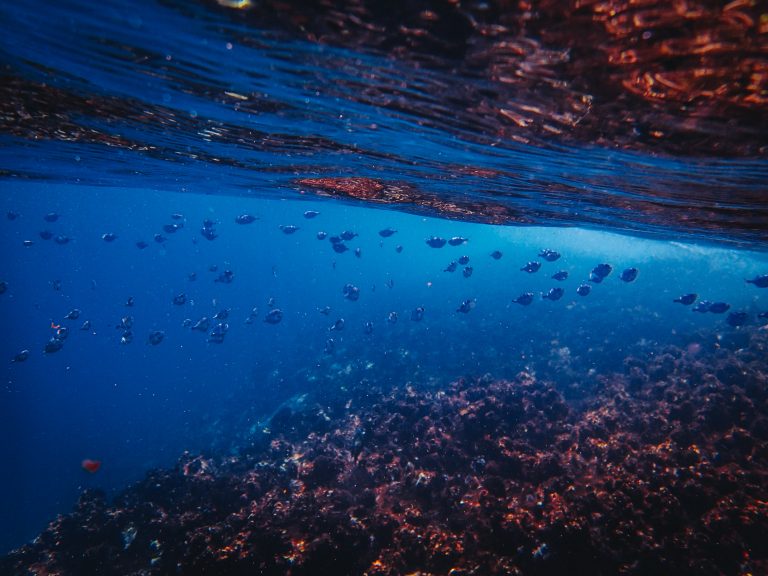
We live on a blue planet, with oceans and seas covering more than 70 percent of the Earth’s surface. Oceans feed us, regulate our climate, and generate most of the oxygen we breathe. But growing threats such as marine pollution,…
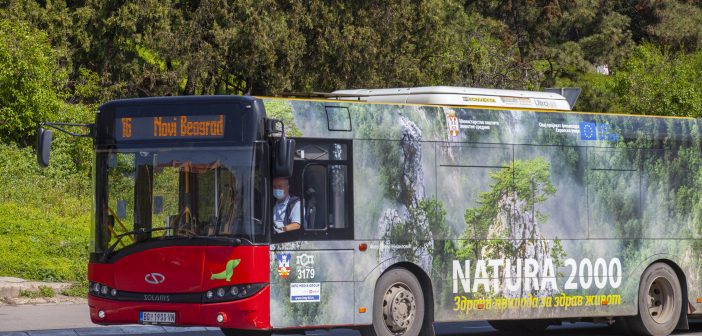
The EU for Natura 2000 project has reached the end of its implementation. After two and a half years, numerous results and products have been achieved. The “EU for Natura 2000 in Serbia” project started in May 2019, with the…
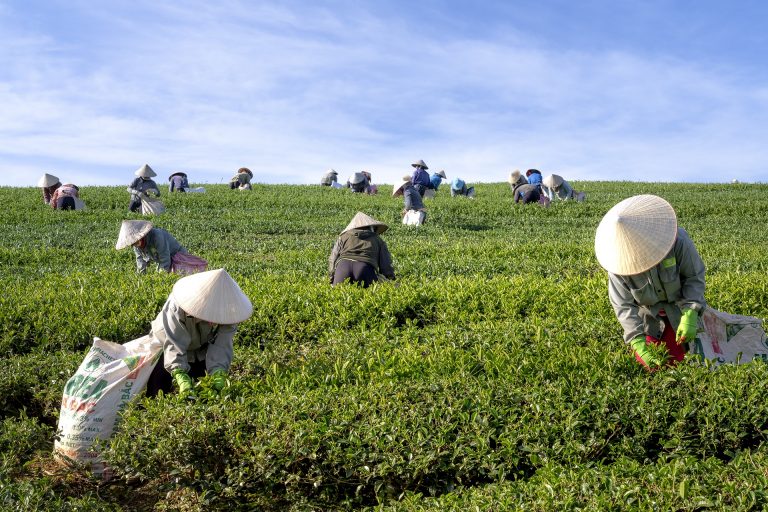
As the UN Climate Change Conference of the Parties (COP26) came to a close, news agencies and bloggers ploughed through the Glasgow Climate Pact to make sense of the commitments made to reducing greenhouse gas emissions. But largely lost among…
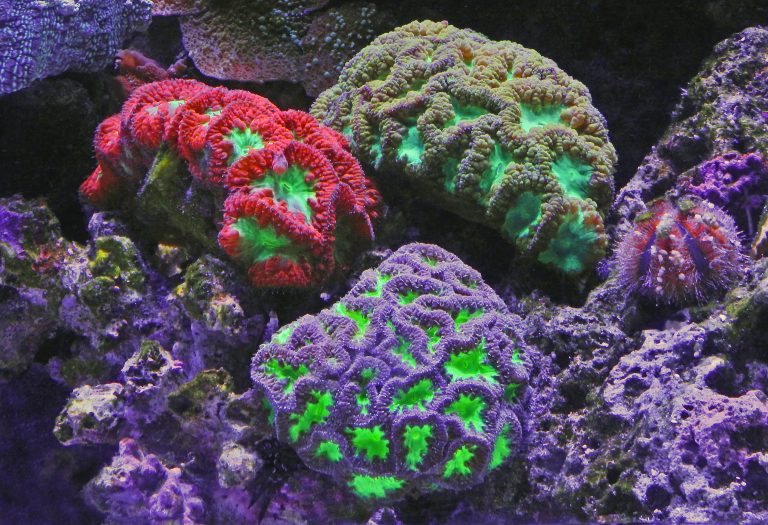
Beneath the ocean surface, an expansive network of dynamic skeletal-like invertebrates harbours at least 25 percent of all known marine species. Both hard and soft corals provide the basis for functioning coral reefs, which are some of the planet’s most…