



Newsletter Subscribe
Enter your email address below and subscribe to our newsletter


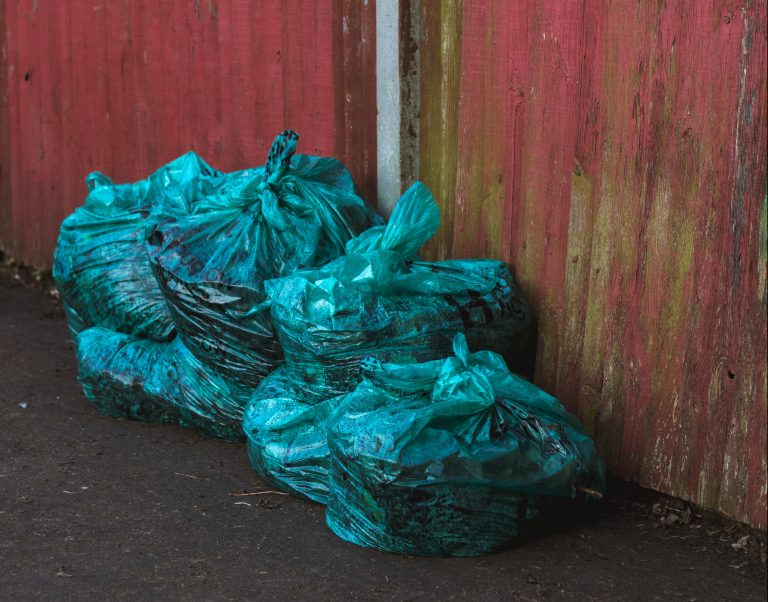
Waste plastic is choking the Earth’s oceans and poisoning its wildlife. That’s why researchers at Purdue University are excited about a new chemical technique that turns waste plastic back into useful polymers — or even clean fuel. The new technique…
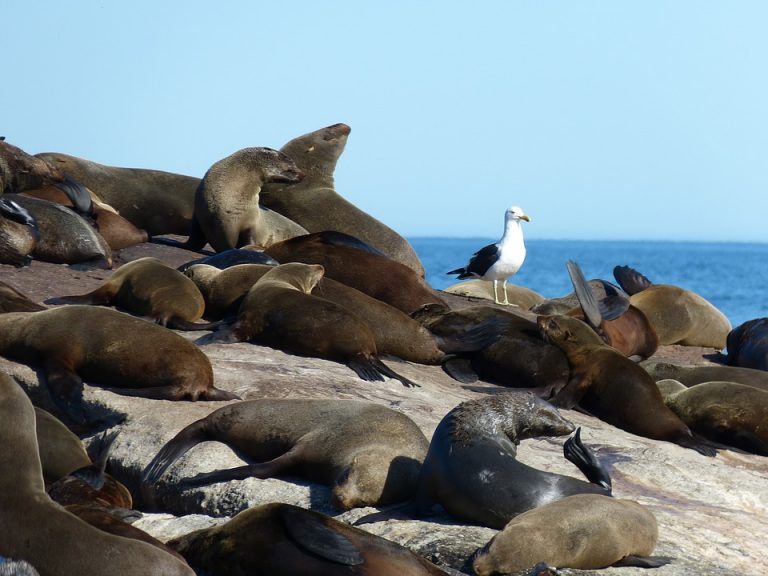
Microplastics are being widely ingested by Britain’s marine mammals, scientists say, with samples found in every animal examined in a study. The research on 50 stranded creatures including porpoises, dolphins, grey seals and a pygmy sperm whale is the most…
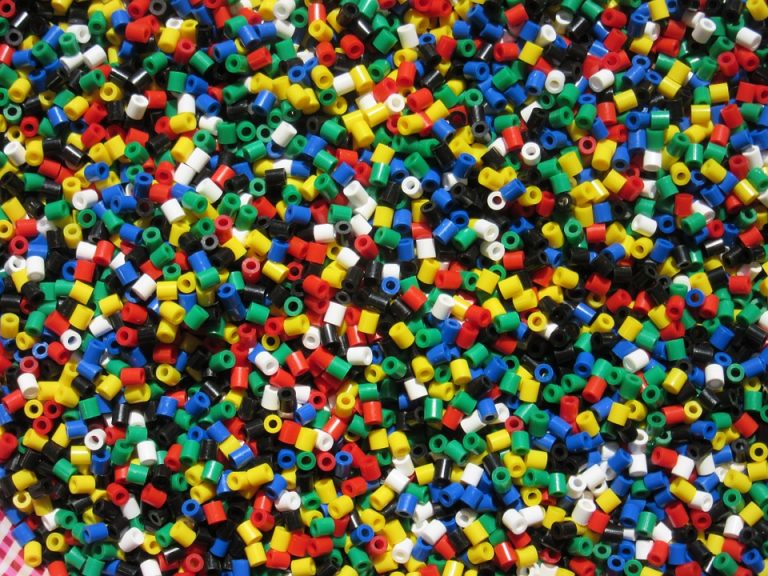
Tiny pieces of plastic measuring less than five millimeters in length—or roughly the size of a sesame seed—have become a nearly ubiquitous presence in our world. Scientists have found the particles, better known as microplastics, everywhere from the oceans, the…

A year after researchers at a New York university discovered microplastics present in sea salt thanks to widespread plastic pollution, researchers in South Korea set out to find out how pervasive the problem is—and found that 90 percent of salt brands commonly…
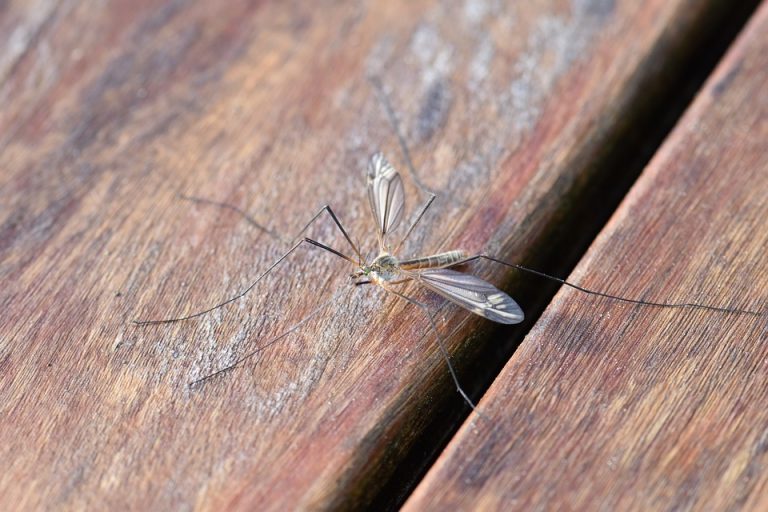
Microplastics, which get gobbled up by whales, deep-sea fish and plankton, have also turned up in the bodies of mosquitoes, scientists have revealed. The research, published Wednesday in the journal Biology Letters, is the first to show that bits of…

Plastic bags are often stamped with an all-caps warning: This bag is not a toy. Unfortunately, polar bear moms don’t have much control over their kids’ playthings. British wildlife photographer Kevin Morgans recently spotted this polar bear and her boisterous…
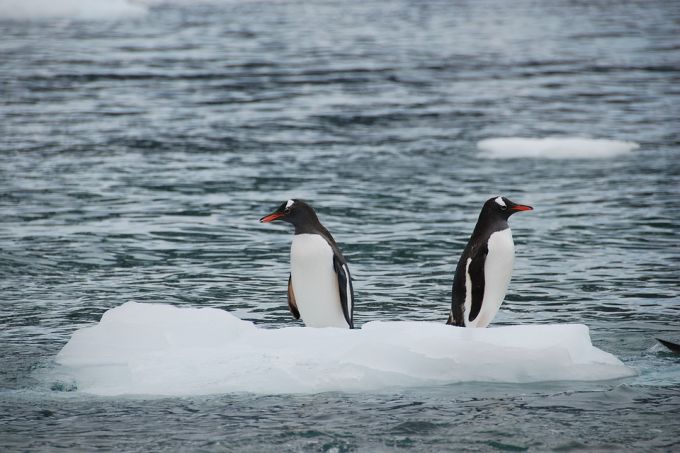
Another day, another sign of the reach of the global ocean plastics crisis. A Greenpeace expedition to Antarctica turned up microplastics in more than half of ocean water samples taken in the world’s southernmost waters. It also found chemicals dangerous…