


Newsletter Subscribe
Enter your email address below and subscribe to our newsletter


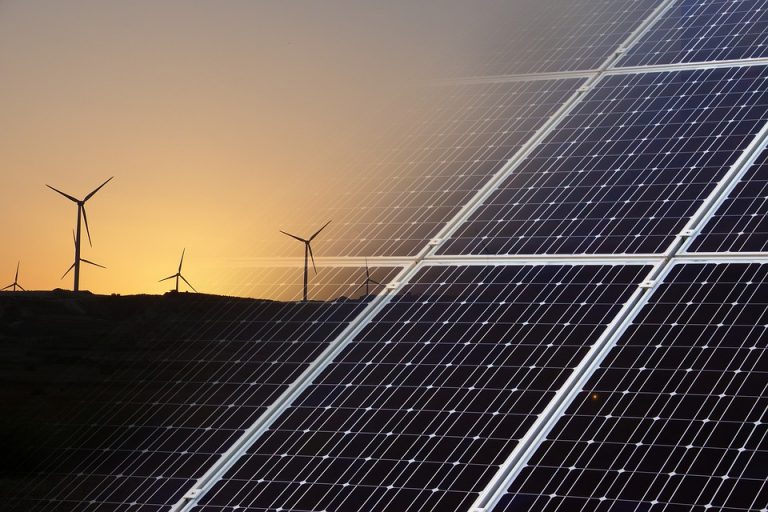
Washington, DC made history Tuesday when its council voted unanimously to transition to 100 percent renewable energy by 2032, the Huffington Post reported. The commitment is part of the Clean Energy DC Omnibus Act of 2018, which also includes measures to reduce emissions from…
Big cuts in carbon emissions and a rise in protection from extreme weather urgently needed. The UN climate change summit begins on Monday with a warning that today’s generation is the last that can prevent catastrophic global warming, as well…
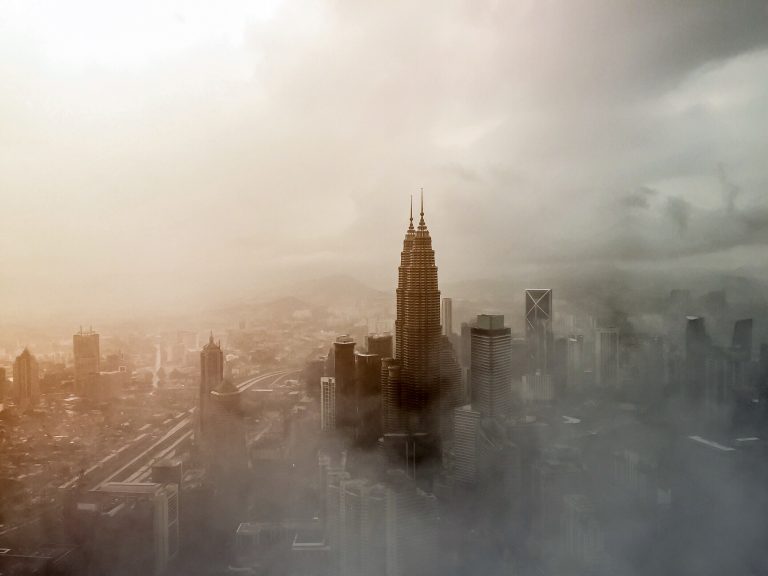
We already knew that air pollution had officially become the world’s biggest killer. Now, an Air Quality Life Index (AQLI) analysis by the Energy Policy Institute at the University of Chicago has found just that air pollution will cut the…
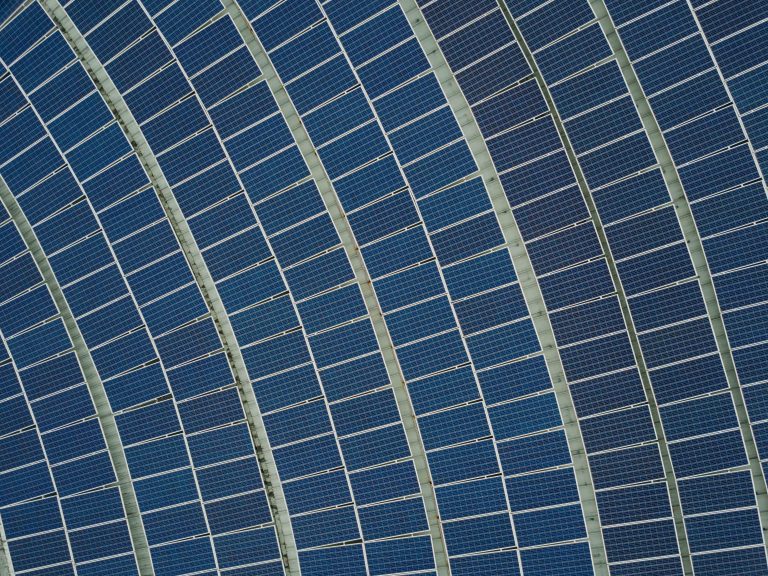
Europe’s power sector could be fully decarbonised by as early as 2045. That’s according to a new study from Eurelectric, which says the region could beat the 2050 targets set out by the Paris Agreement through electrifying key economic sectors.…
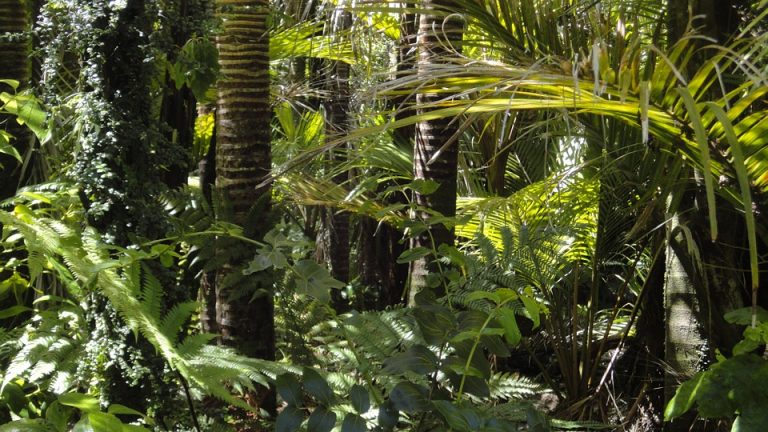
About 7,900 square kilometers (3,050 square miles) of forest was cleared in the Brazilian Amazon between August 2017 and July 2018, the worst annual deforestation rate in a decade, according to government data. That’s a 13.7 percent jump from the same period last year. As Greenpeace…
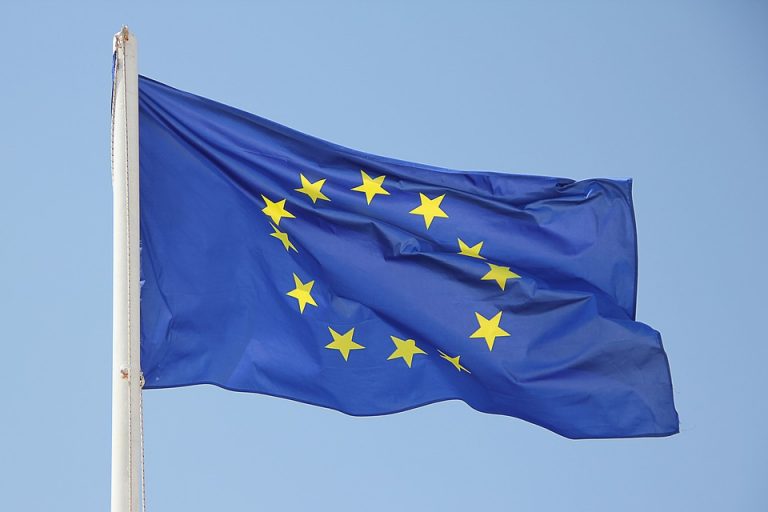
The throwaway plastics to be banned from 2021 include straws, cutlery, plates, balloon sticks and cotton buds The proposals also call for at least a 25% reduction by 2025 in the use of burger and sandwich boxes and food containers…
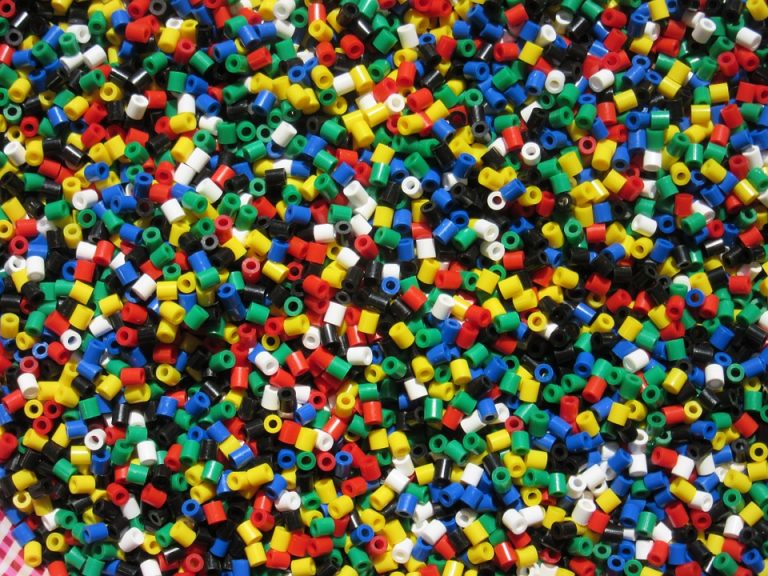
Tiny pieces of plastic measuring less than five millimeters in length—or roughly the size of a sesame seed—have become a nearly ubiquitous presence in our world. Scientists have found the particles, better known as microplastics, everywhere from the oceans, the…