


Newsletter Subscribe
Enter your email address below and subscribe to our newsletter


Protecting plants is vital for the future of our planet – that’s why 2020 is the International Year of Plant Health. Plants aren’t just a nice addition to your windowsill: they are the source of 98 percent of the air…
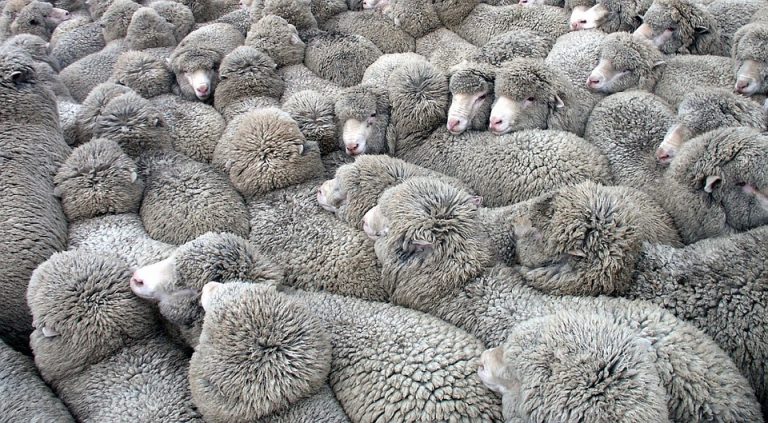
There was a time when industrial agriculture seemed to be a panacea for a fast-growing world. Synthetic fertilizers, chemical pesticides and high-yield cereal hybrids promised to reduce hunger, accommodate growing populations and stimulate economic prosperity. Between 1960 and 2015, agricultural…
While working for the decades-old family fashion business, Sissi Chao had an experience that literally took her breath away. “Not long after I started, I started visiting our fabric suppliers,” said Chao. “I could hardly breathe, even before I got…

A new commentary published in The Lancet Diabetes & Endocrinology shows how three global health threats – chemical pollution (including endocrine disrupting chemicals), loss of biodiversity and climate change – are more strongly interlinked than previously thought by their common…
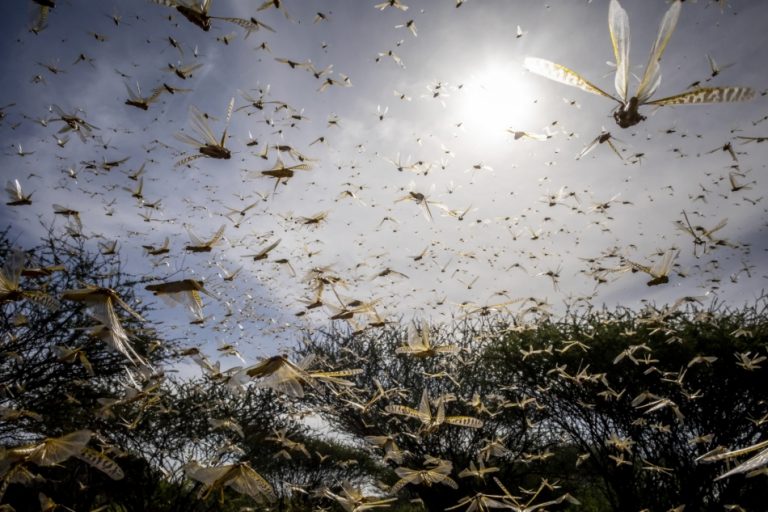
East Africa is going through a massive Desert Locust infestation that’s stripping farming families of food and income and threatening the food security of millions throughout the region. And the number of locusts keeps growing. In emergencies like these, killing…

The United Nations General Assembly declared 2020 as the International Year of Plant Health (IYPH). The year is a once in a lifetime opportunity to raise global awareness on how protecting plant health can help end hunger, reduce poverty, protect…
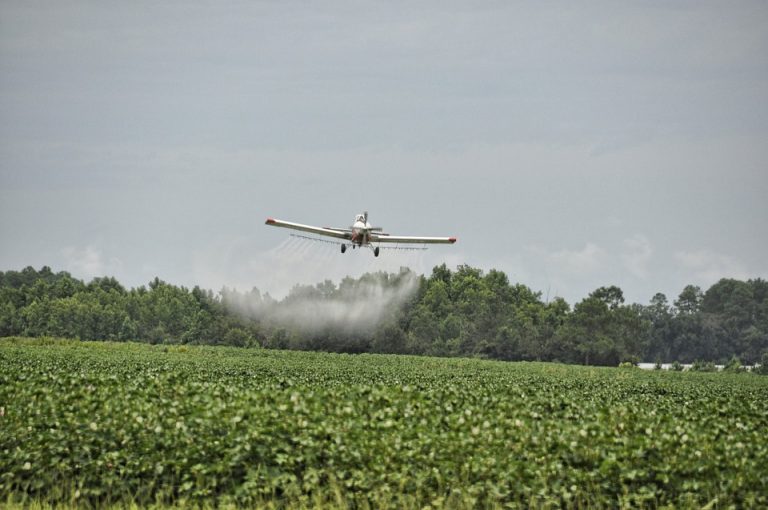
A new review of carcinogenicity assessments of pesticide active ingredients shows 40 percent of them are not carried out in compliance with existing European guidelines, leading to possible continued exposure of farmers and consumers to cancer-causing pesticides. In 30 percent…