




Newsletter Subscribe
Enter your email address below and subscribe to our newsletter

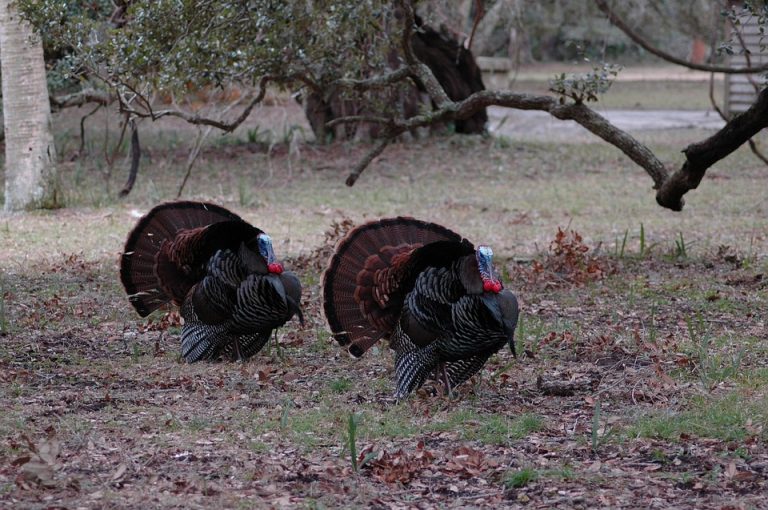
Neonicotinoid pesticides have commonly been linked to the plight of honeybees. But a new study from the University of Guelph finds that honeybees aren’t the only non-pest creatures that are coming into contact with the pesticides. Neonicotinoids, sometimes called neonics,…
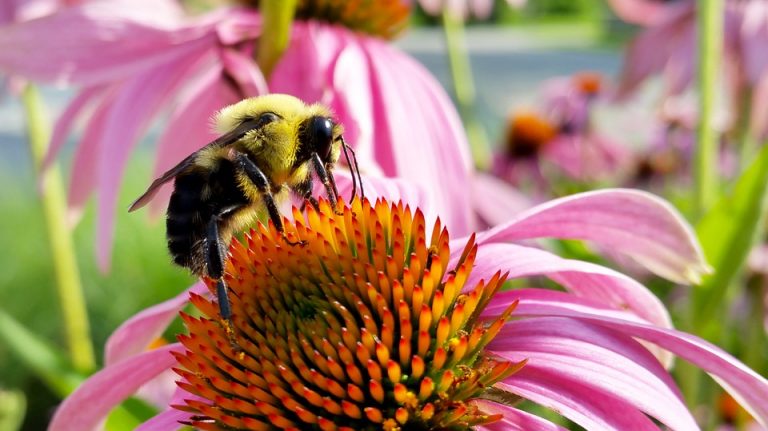
Bumblebee colonies fare better in villages and cities than in fields, research has revealed. Bumblebees are important pollinators, but face threats including habitat loss, climate change, pesticide and fungicide use and parasites. Now researchers say that bumblebee colonies in urban…
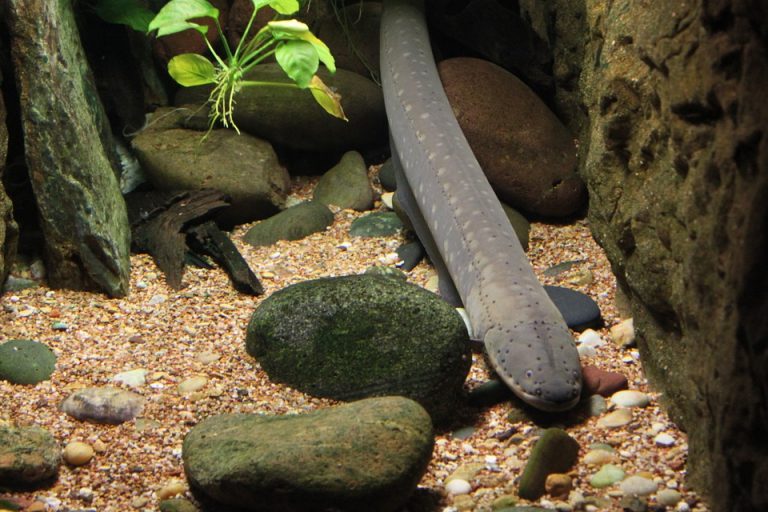
Tiny amounts of cocaine flushed into rivers cause eels to become not only hyperactive but to suffer from muscle wastage, impaired gills and hormonal changes, a study has found. The impact of traces of cocaine on the physiology of European…
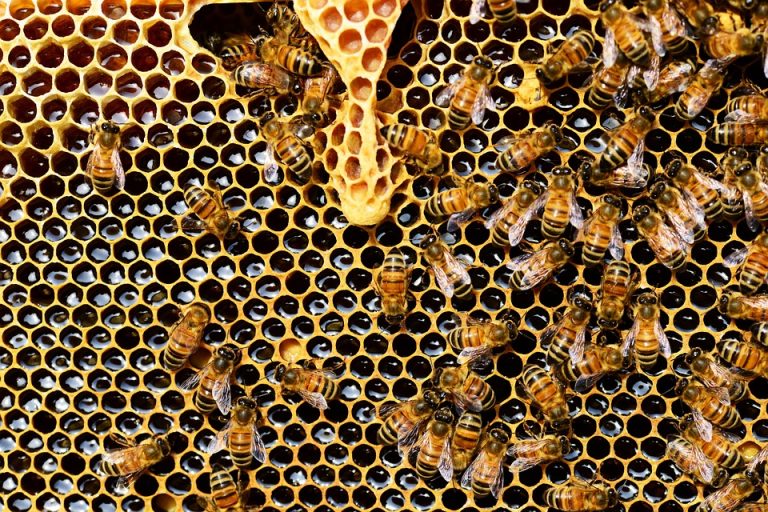
Right now, we’re in a real crisis when it comes to bees. Every year, about a third of our honeybee colonies collapse. And the 4,000 native bee species in the United States suffer from those same threats that honeybees do.…
In the interview with Elvir Burazerovic, General Manager of NGO ORCA, we found out what is necessary to do in order to make our agriculture sustainable, as well as what ORCA is undertaking in that sector and what are the…

The world is likely to face food shortages within 20 years if pesticides and genetically modified crops are shunned, according to the head of the world’s biggest pesticide manufacturer. J Erik Fyrwald, CEO of Syngenta, also said the technologies to…

In a win for public health, Hawaii Governor David Ige signed a bill banning the use of the pesticide chlorpyrifos, which has been linked to increased risk of learning disabilities, lower IQs, developmental delays, and behavior problems in children. “Hawaii…