
Newsletter Subscribe
Enter your email address below and subscribe to our newsletter


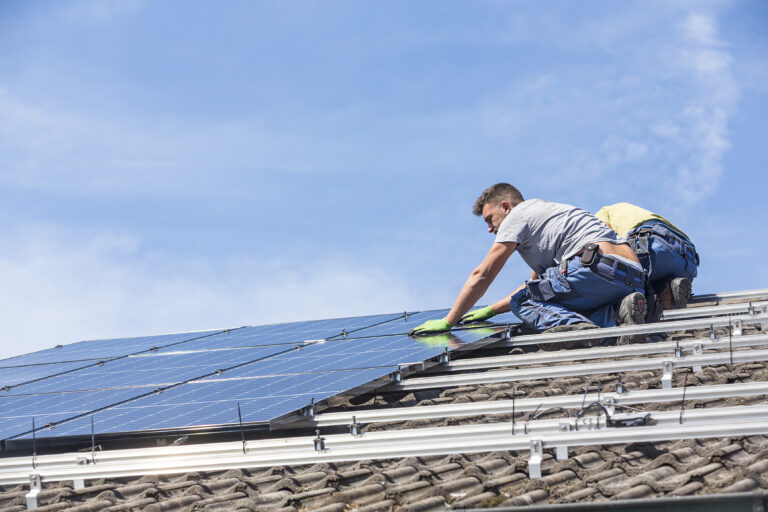
Although present on Serbia’s energy scene since 2014, the concept of prosumers only truly took off two years ago, and its popularity continues to grow daily. Citizens, businesses, and numerous institutions can now generate their own electricity from renewable sources,…
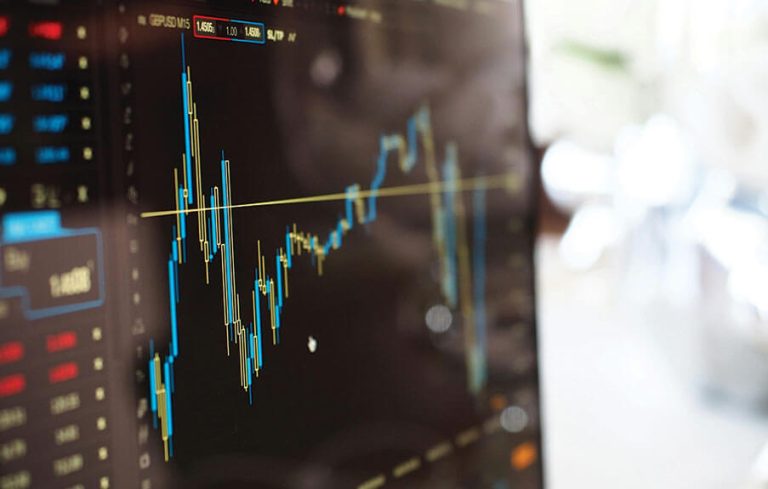
After almost a decade since its foundation and becoming operational in February 2016, the Serbian Electricity Exchange (SEEPEX) has firmly positioned itself not only as an important support provider in green transition and further liberalization of the electricity market in…
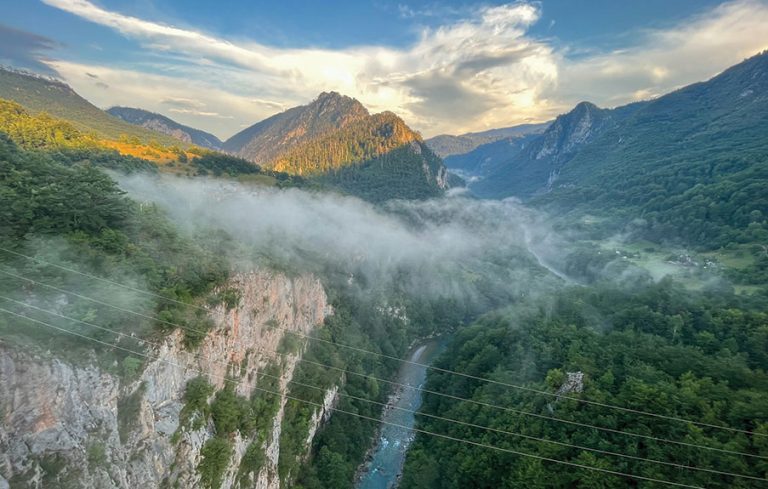
The Institute for Nature Conservation of Serbia, which deals with the protection and improvement of natural heritage, currently has 472 protected areas in Serbia under its jurisdiction, spanning 762,960 hectares or 8.62 per cent of the territory of our country.…
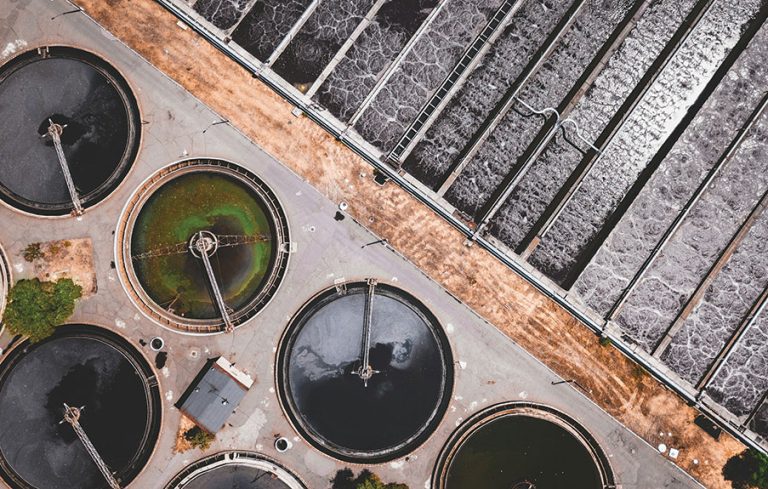
The European Union launched the European Green Deal, paving the way for a comprehensive approach to green in all sectoral policies. The Green Deal was extended to the Western Balkans in the form of the Green Agenda, which was adopted…
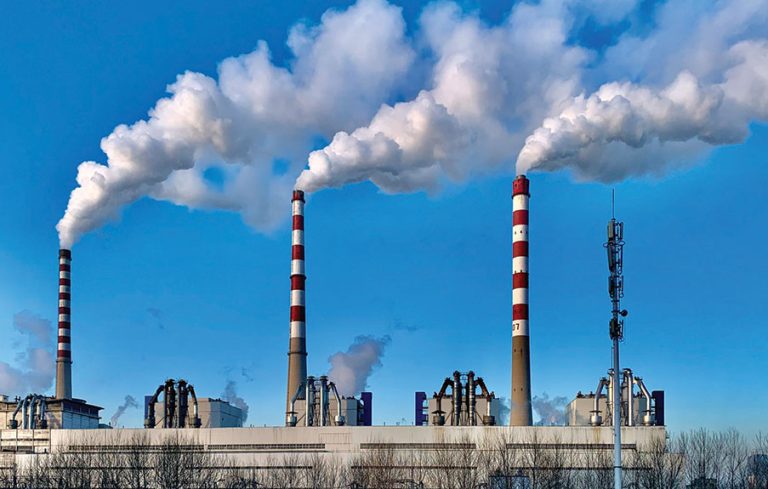
In Western Balkan countries, thermal power plants are the leading electricity producers, accounting for about 54 per cent of the total energy production. At the same time, thermal power plants are the main source of NOX gas emissions, which account…
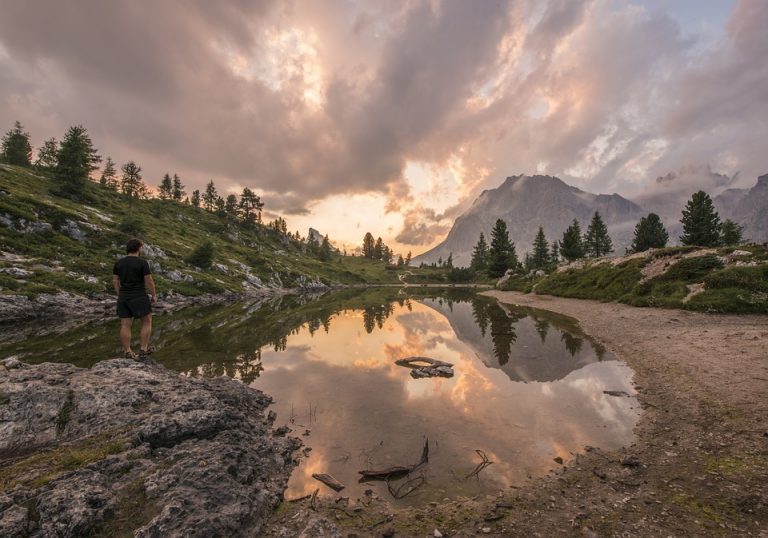
As of May 23rd, Serbia had used up its natural resources reserves for this year, which means that from today on, we are “living on borrowed resources.” This is the assessment of the research organization Global Footprint Network, which calculates…

When analyzing individual ESG elements, the ‘G’ element is often overlooked due to the emphasis on climate risks, social implications and other ‘E’ and ‘S’ factors. In light of the growing recognition of global diversity and income disparity, corporate governance…