




Newsletter Subscribe
Enter your email address below and subscribe to our newsletter


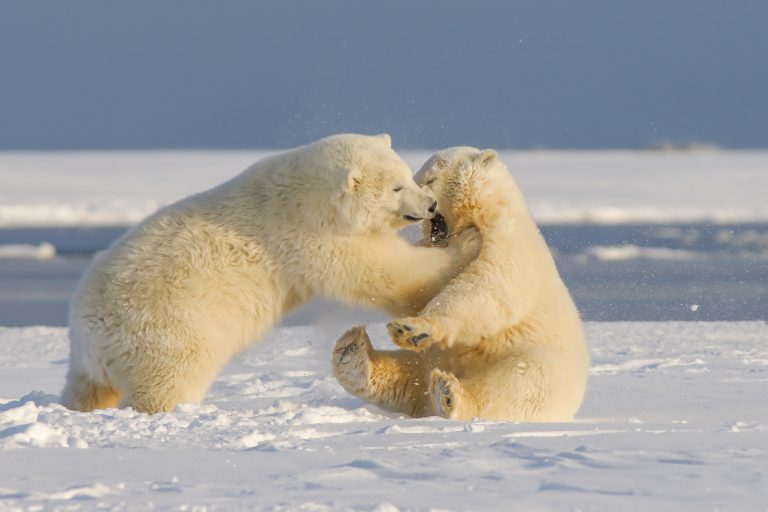
A new study has found that polar bears could be gone by 2100 unless greenhouse gas emissions are reduced. Rising global temperatures, due to carbon emissions, have caused large amounts of Arctic sea ice to melt, leaving polar bears with…

New climate data from the World Meteorological Organization (WMO) predicts that the annual mean global temperature is likely to be at least 1.0°C above pre-industrial levels (1850-1900) in each of the coming five years (2020-2024) and there is a 20…
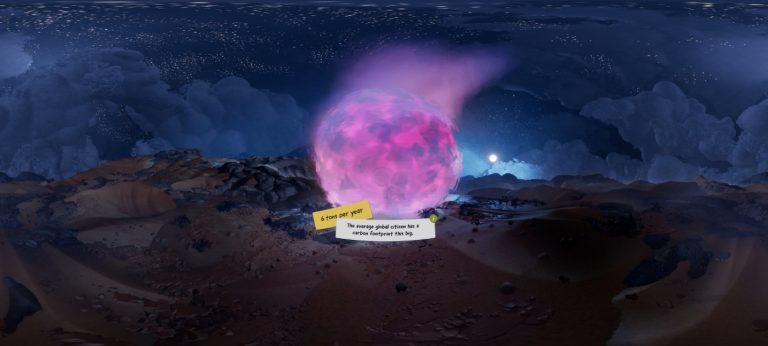
Bush fires in Australia, typhoons in the Pacific, droughts in Africa, melting glaciers in the Arctic. Climate change continues to make headlines across the globe yet many people still find it hard to understand it as many of these events…
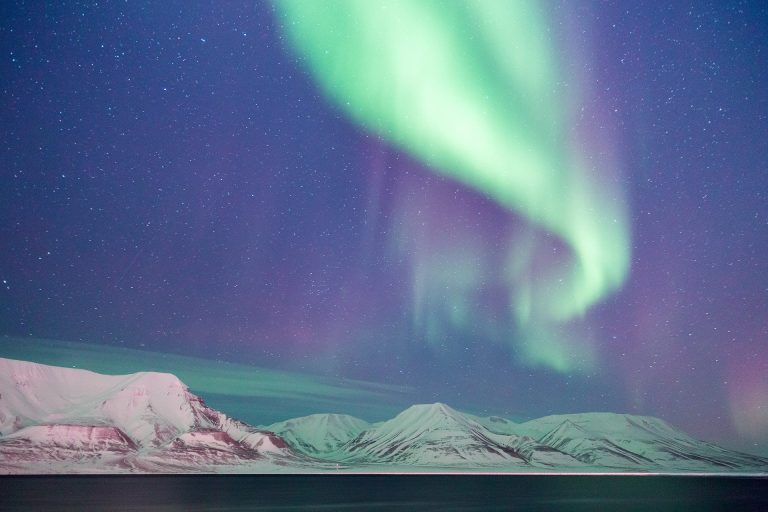
Depletion of the ozone layer, the shield that protects life on Earth from harmful levels of ultraviolet radiation, is at an unprecedented level over large parts of the Arctic this spring. This phenomenon is caused by the continuing presence…

Microplastic pollution is raining down on city dwellers, with research revealing that London has the highest levels yet recorded. The health impacts of breathing or consuming the tiny plastic particles are unknown, and experts say urgent research is needed to…
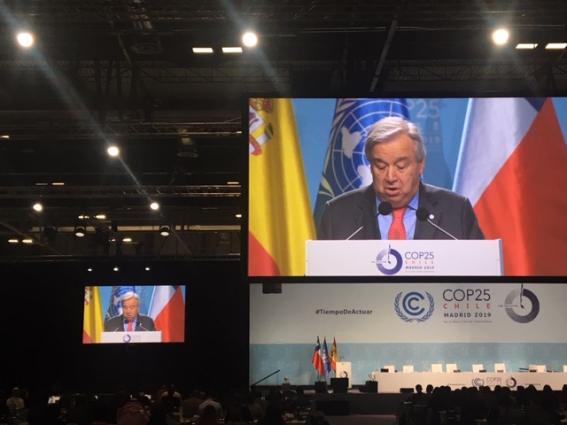
The latest climate science from WMO and the Intergovernmental Panel on Climate Change is informing negotiations at the annual United Nations Climate Change Conference. The 25th session of the Conference of the Parties to the United Nations Framework Convention on…

In July, a 47-year-old woman showed up at the emergency department of her local hospital in Sacramento, California. Her speech was slurred, she couldn’t walk, and she was unable to feel her hands or face. The woman soon fell into…