Newsletter Subscribe
Enter your email address below and subscribe to our newsletter


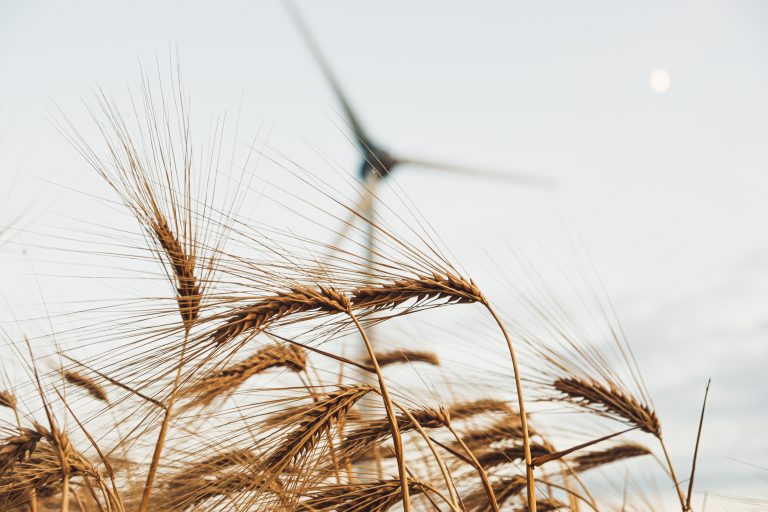
The Western Balkans is a key region for, and partner in, the EBRD’s green work. South-eastern Europe has huge potential for developing green energy, with its rivers providing hydroelectric power, its mountains and plains enabling wind power, its underdeveloped solarenergy,…
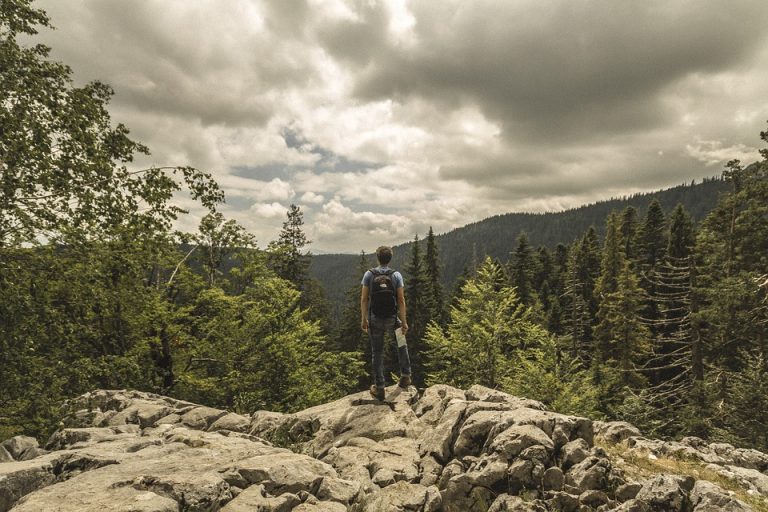
Following the adoption of the Law on Protection from the Negative Impacts of Climate Change in December 2019, Montenegro continues to lead the way in the Energy Community in the establishment of a complete system required to reduce greenhouse gas…

The growing use of electric scooters and ride-hailing services is transforming how we move in urban centres — but walking, cycling and public transport remain the best way to improve sustainable mobility in cities, according to a European Environment Agency…
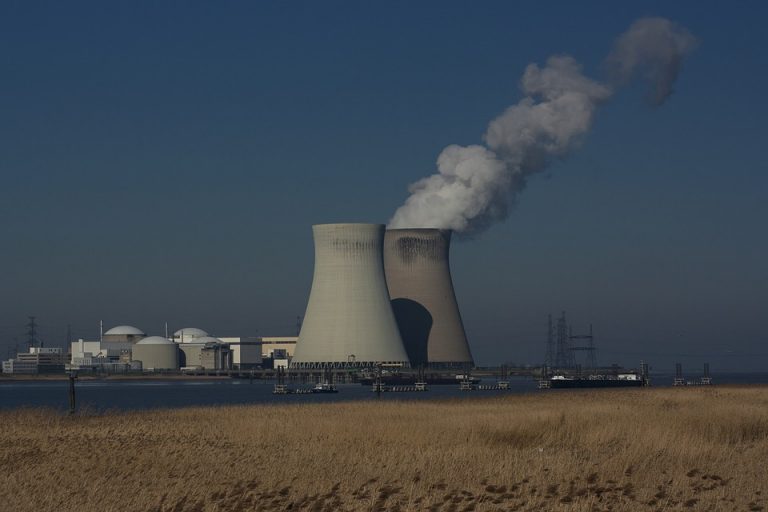
Global emission trends Global energy-related CO2 emissions flattened in 2019 at around 33 gigatonnes (Gt), following two years of increases. This resulted mainly from a sharp decline in CO2 emissions from the power sector in advanced economies (Australia, Canada, Chile,…
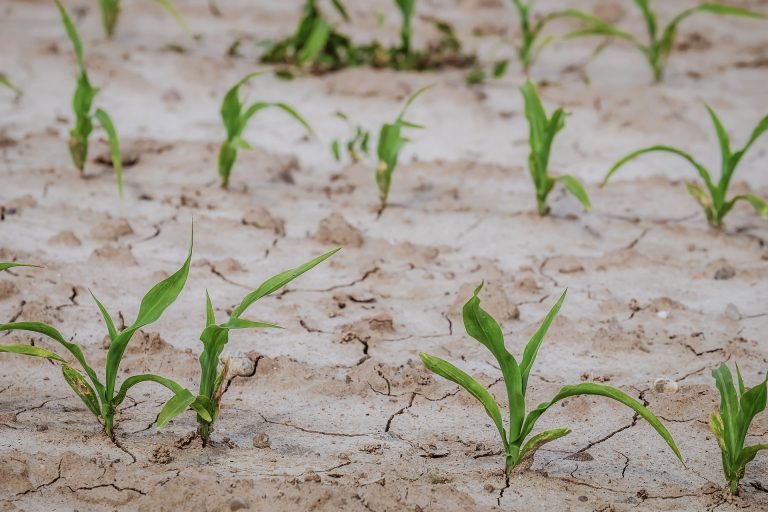
The increased exposure to climate related hazards will differ from region to region across Europe, according to the EEA story map. The background briefing shows examples of selected risks across Europe. It stresses the important role of limiting climate change…
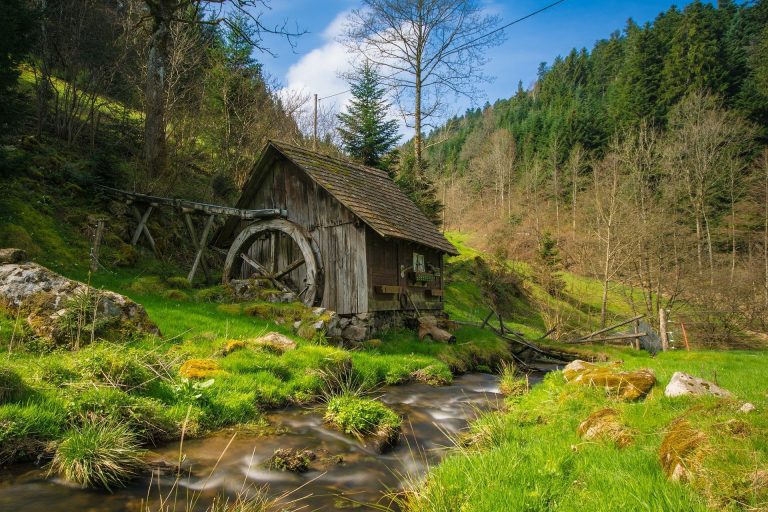
Amid a need for more accurate, up-to-date and harmonised data and monitoring on Europe’s valuable woodlands, the European Environment Agency and the European Commission launched a new Forest Information System for Europe (FISE) which aims to become Europe’s knowledge hub…
The EEA report ‘Fluorinated greenhouse gases 2019’ assesses the data reported in 2019 by European companies on the production, import, export, destruction and feedstock use of F-gases until 2018. It looks at the progress made under both the ongoing EU-wide…