


Newsletter Subscribe
Enter your email address below and subscribe to our newsletter


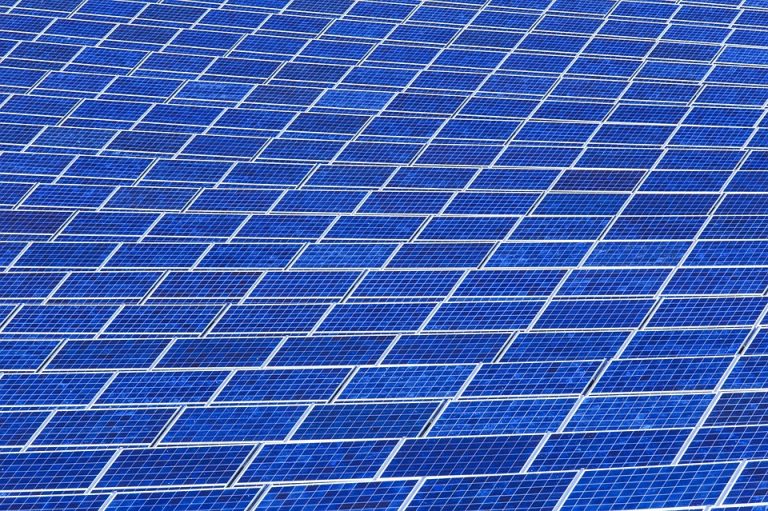
A research analyst at Swiss investment bank UBS believes the cost of energy renewables could be so near to zero by 2030 “it will effectively be free,” according to a projections published on Monday. If renewables could soon be cheaper…
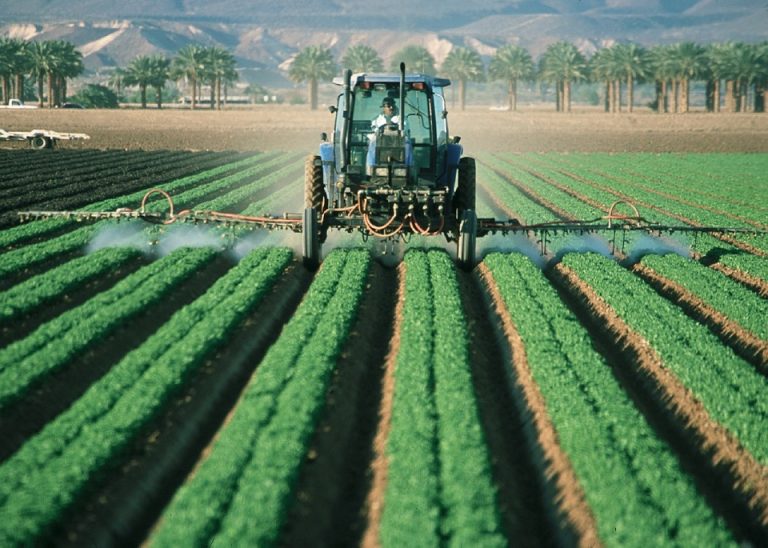
Environmentalists scored a victory in Canada on Wednesday, securing restrictions on two pesticides that have been posing threats to bees and aquatic insects. The Canadian government’s Pest Management Regulatory Agency (PMRA), branched under the division ‘Health Canada,’ has agreed to…

The majority of people are deluded about the amount of possessions they need and the amount of waste they produce. That’s according to relocation firm Movinga, which surveyed 18,000 households across 20 countries to compare individuals’ perceptions of their own…
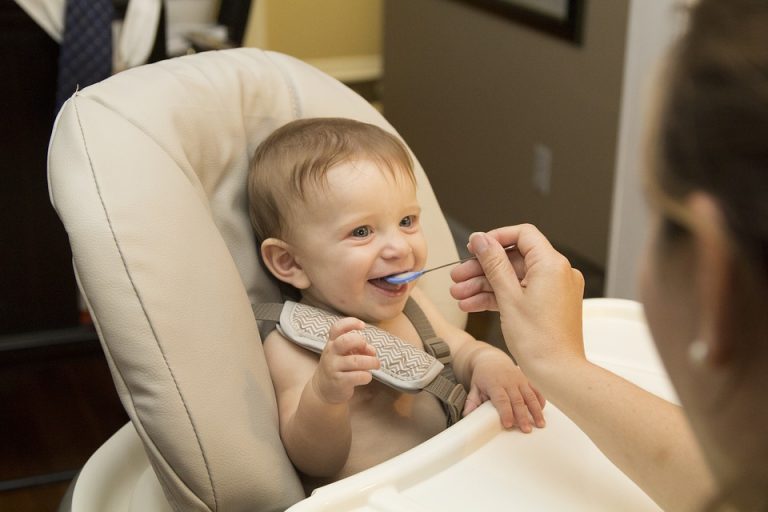
Testing published by Consumer Reports (CR) Thursday found “concerning levels” of toxic metals in popular U.S. baby and toddler food. The consumer advocacy group tested 50 nationally-distributed, packaged foods designed for toddlers and babies for mercury, cadmium, arsenic and lead.…
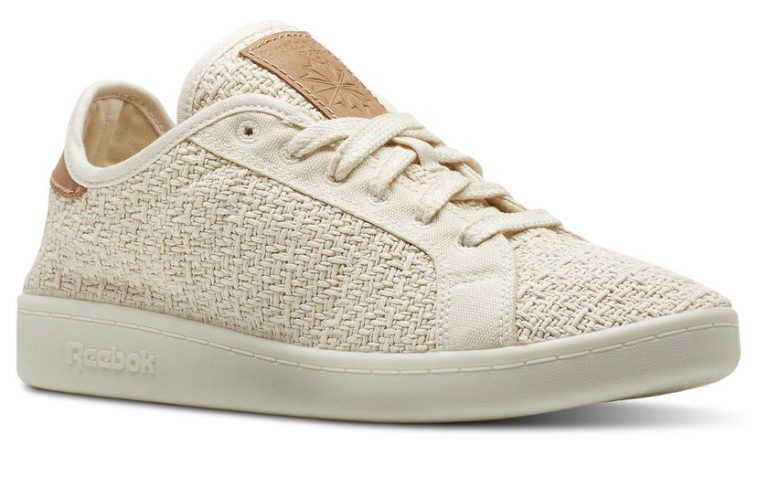
Adidas has shoes made of ocean plastic. Nike has ones made of recycled leather. Now, Reebok has its first plant-based athletic shoe. The “NPC U.K. Cotton + Corn” sneaker, which debuted Tuesday, has a top made from 100 percent organic…
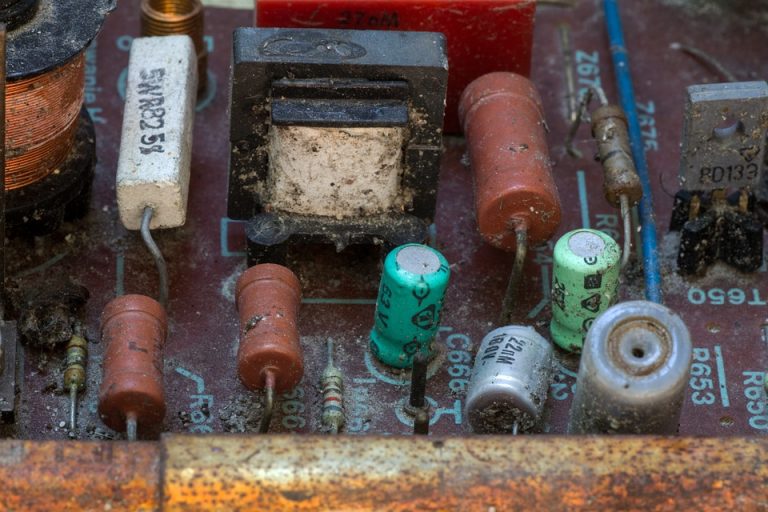
Thailand has joined Vietnam and Malaysia in cracking down on the world’s trash. Thailand will stop accepting more than 400 types of electronic waste (e-waste), including circuit boards, old TVs and radios, within six months, an environment ministry official told…

An individual tree has roots and, of course, it doesn’t move. But trees, as a species, do move over time. They migrate in response to environmental challenges, especially climate change. Surprisingly, they don’t all go to the Poles, where it…