Newsletter Subscribe
Enter your email address below and subscribe to our newsletter
Enter your email address below and subscribe to our newsletter

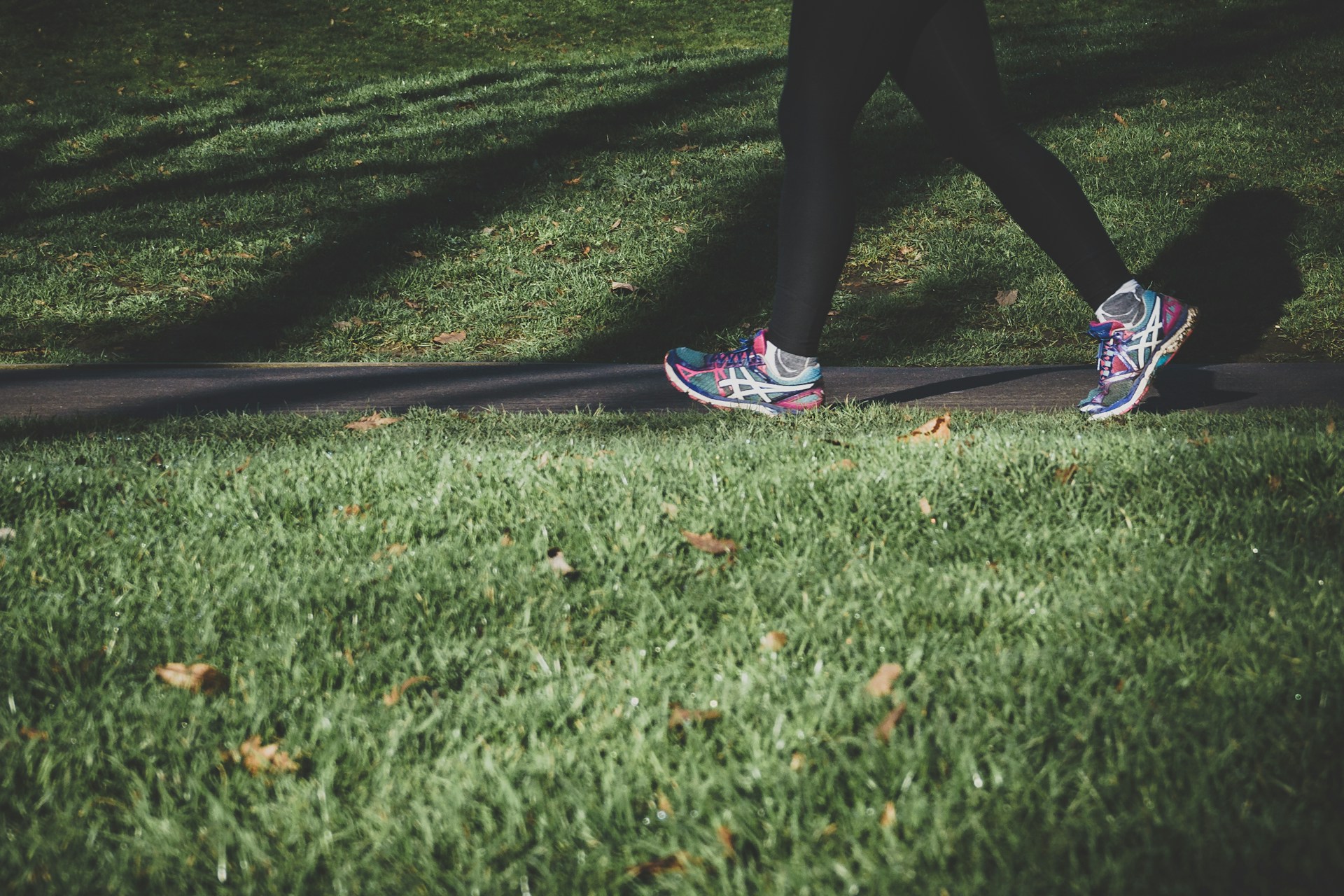
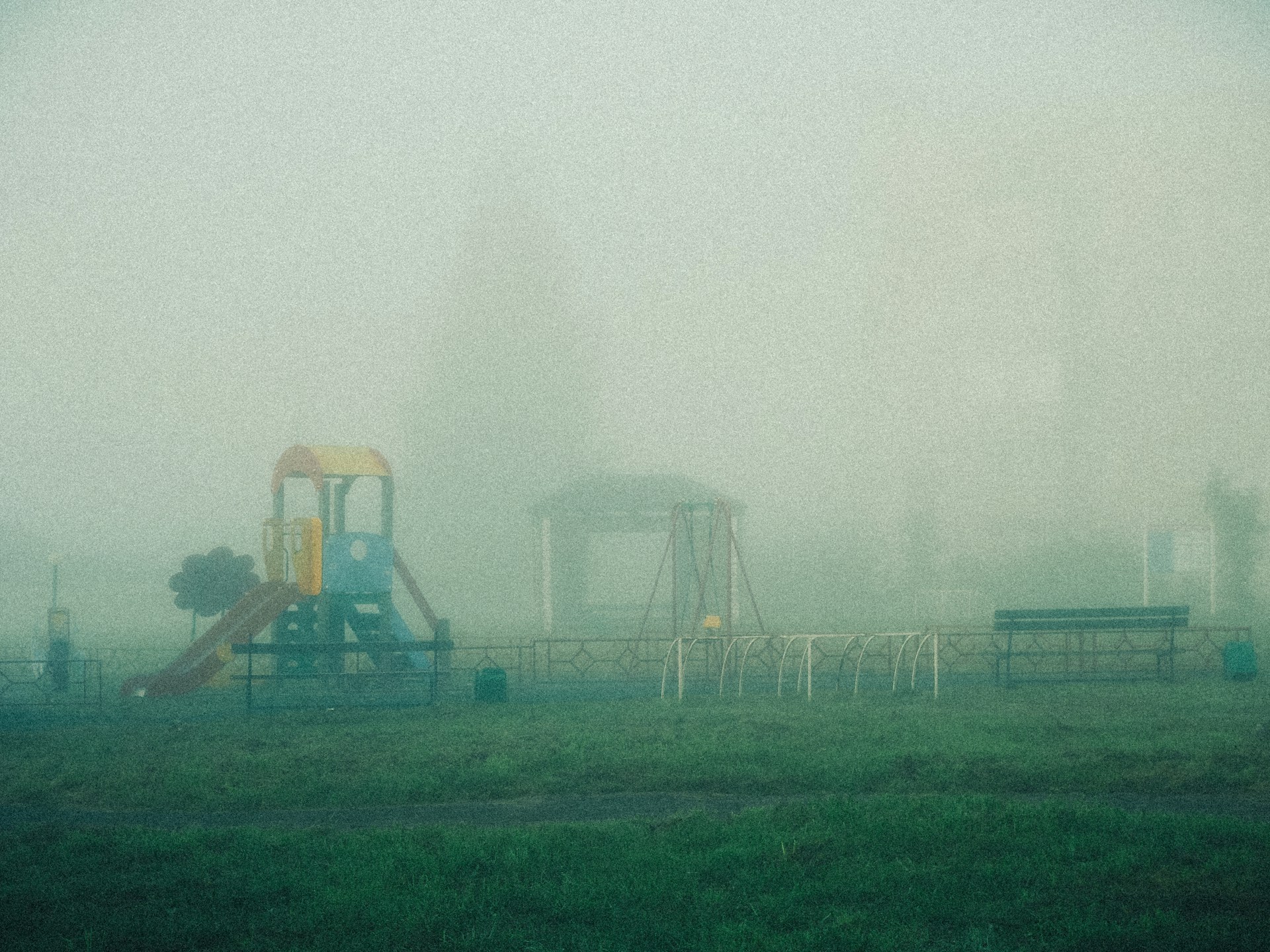
That evening, there wasn’t a single free parking space in front of my building, so I parked about a hundred meters away, near the playground. The fog was thick, and the heavy mix of smog and moisture was already pressing on my lungs as I walked briskly from the car toward the entrance. At that moment, very little could have made me spend even one more second outside — but one scene stopped me anyway.
The football field next to the playground was full of children, probably teenagers. They were running, shouting, chasing the ball, completely indifferent to the poor visibility and the air that smelled like anything but health.
Are they aware that physical activity is not recommended — even strictly discouraged — when the air is this polluted? Do their parents know? Should I go over and say something?
I didn’t. I shook off those thoughts and continued toward the entrance, already feeling my breathing grow heavier. In our town, there is no air quality monitor, no warnings, no alarms to alert us to the danger that descends every evening in the form of a foul-smelling cloud. And children are — children. They want to run, to burn off energy, to be outside with their friends.
I had the feeling they wouldn’t take me seriously. That I would seem like some paranoid, grumpy woman imagining that air could harm one’s health. After all, if the situation were really that serious, wouldn’t it be on the news? Besides, they’re running — and nothing’s happening to them. The fact that my head was already spinning was probably just my age.
But as I encountered them outside several more times, each time with the air smelling of burning tires, I decided to look into how physical activity in polluted air actually affects our health.
We exercise to be healthy — and the air works against us
One large international study, which followed more than 1.5 million adults over a period of more than ten years, shows that long-term exposure to toxic air can seriously reduce the protective power of regular exercise. In other words — yes, exercise still helps us live longer, but its benefits are drastically weakened in environments with high air pollution.
The study was conducted by an international team of researchers, including experts from University College London (UCL), and was published in the prestigious journal BMC Medicine. Data were collected in multiple countries — from the United Kingdom and Denmark to China, Taiwan, and the United States — giving the findings both weight and a global context.
The researchers focused in particular on fine particulate matter PM2.5 — microscopic pollutants smaller than 2.5 micrometers. They are so tiny that they not only penetrate deep into the lungs, but can also enter the bloodstream. These particles are precisely what make the air feel “heavy,” hazy, and dangerous — and they are exactly what we inhale most while running, cycling, or playing football outdoors.
The results are quite clear and somewhat unsettling. People who exercised regularly — at least two and a half hours per week of moderate or vigorous activity — had about a 30% lower risk of death compared to those who were physically inactive. But only when the air was relatively clean.
When average annual PM2.5 levels reached 25 micrograms per cubic meter or more, the benefits of exercise declined sharply. Among very active people living under such conditions, the protective effect of exercise dropped to just 12–15%. Nearly half of the world’s population today lives in areas where air pollution is at or above this level.
The situation becomes even worse when pollution exceeds 35 micrograms per cubic meter — which is the case for about 36% of people worldwide. Under these conditions, especially when it comes to cancer-related mortality, the protective effects of physical activity become very weak.
The researchers nevertheless emphasize that exercise should not be completely abandoned, even in polluted environments.
“Exercise remains beneficial even in polluted settings, but cleaner air can unlock much greater health gains,” said one of the study’s lead authors, Professor Po-Wen Ku of National Chung Hsing University in Taiwan.
His colleague from UCL, Professor Andrew Steptoe, adds that toxic air can block some of the benefits of exercise — but it cannot erase them entirely. In other words, the body keeps fighting, but it has a much harder time.
The authors recommend a pragmatic approach: checking air quality before training, choosing less trafficked and greener routes, and reducing exercise intensity on days when pollution is high. No one is calling for abandoning movement — but science clearly warns us that the context in which we move matters greatly.
Perhaps that was another reason why I didn’t say anything to the children that evening. I didn’t know what was worse — for them to stay at home, trapped within four walls, or to move, run, and breathe, even if the air clearly wasn’t doing them any good. That dilemma hasn’t disappeared even today, but now we at least have an answer that helps us view it more soberly.
Movement is important. Undeniably so. But the air we breathe is not a minor detail. Between the two, the solution is not in giving up, but in making smart choices — about when we go outside, how hard we push ourselves, and where we choose to spend our time.
Milena Maglovski