



Romania Strengthens Renewable Energy Capacity with 190 Megawatts of Solar Power
Share
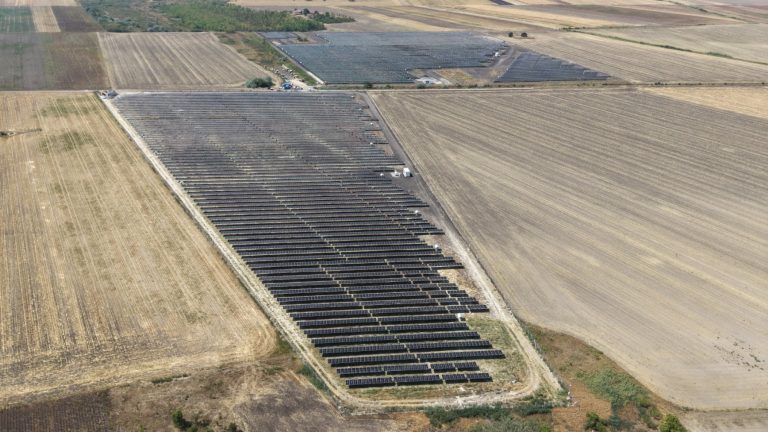
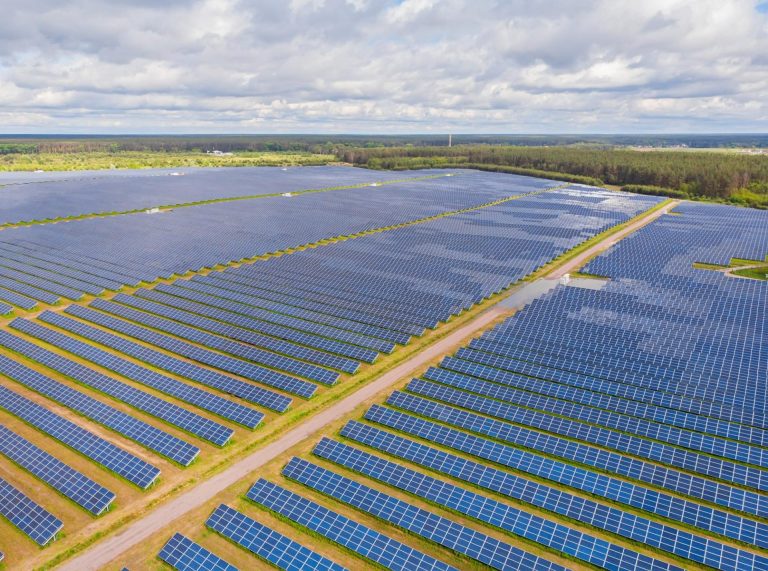
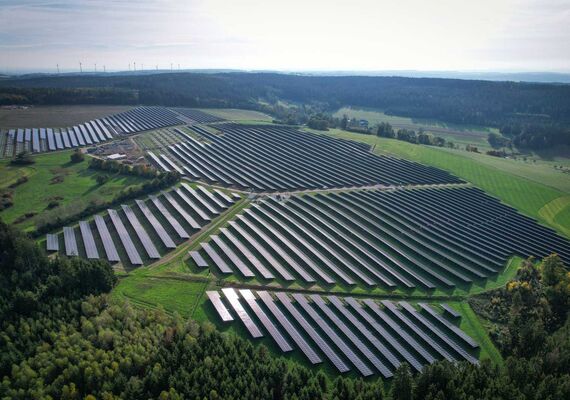
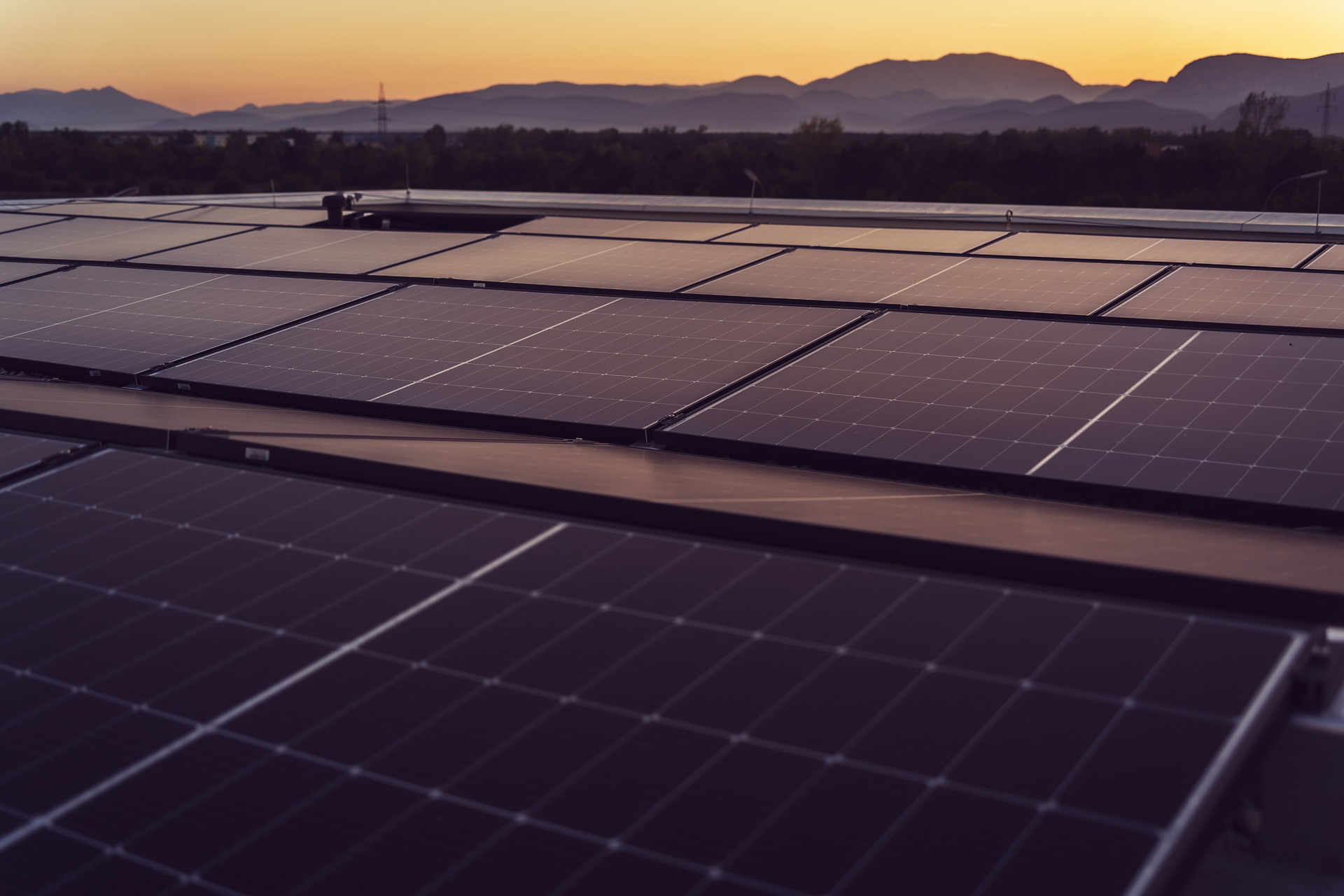
Romania is launching the construction of three solar power plants with a total capacity of 190 megawatts (MW), enough to supply electricity to more than 160,000 households.
The European Investment Bank (EIB) is investing 34 million euros in the project, as part of a 121 million euros financing package. The project is also financed by the European Bank for Reconstruction and Development (EBRD) and the Romanian bank BCR. The three companies that will build and operate the power plants are jointly owned by the Norwegian renewable energy company Scatec ASA (65 percent) and Defic (35 percent), a platform for the development and investment in renewable energy sources.
The planned locations are in the counties of Olt and Dolj, in the Oltenia region, which borders Bulgaria and the Danube River. According to the EIB, construction will begin this month, while full commercial operation is expected in September 2027.
More:
- The Invisible Source of Solar Energy for Ancient Buildings
- Slovenia Co-Finances the Construction of Solar and Wind Power Plants with Capacity Above 1 MW
- Record Solar Energy Production in the EU in 2025: What Are the Projections Until 2030?
The new facilities are among the largest solar projects in Romania and will accelerate the country’s transition away from fossil fuels, contributing to emissions reductions and increased energy independence. Two of the three planned solar plants have already secured Contracts for Difference (CfD) through a government auction held in 2024, covering around two thirds of the project’s expected output for nearly 15 years. The municipalities where the three solar power plants will be located are Dobrun and Sadova.
“Accelerating investment in renewable energy is essential for Europe’s economic strength, energy security, and climate ambitions. By supporting a major new solar portfolio in Romania, we are helping to deliver clean, reliable, and affordable electricity, while also promoting economic cohesion and the green transition,” said Ioannis Tsakiris, Vice-President of the EIB.
The project also supports Romania’s goal of having renewable energy sources account for more than 38 percent of final energy consumption by 2030, as well as the EU’s target of reaching at least 42.5 percent over the same period.
The implementation of these power plants is expected to further strengthen regional development, create new jobs, and contribute to enhancing Romania’s energy security.
Energy portal