

Newsletter Subscribe
Enter your email address below and subscribe to our newsletter

Solar power plants are no longer just projects of the future – they are already shaping the present and the world ahead. What remains is to consider how they can be used in the best possible way: how to make them truly sustainable, not only in terms of producing green energy, but also by reducing waste, protecting the environment, and creating additional benefits for local communities.
Large-scale solar power plants are often criticized when they are built on agricultural land, due to concerns that they take up space needed for food production and local crops. However, as with many things in life, good planning and a smart approach can turn a potential problem into an advantage.
An example from China, from the Talatan Gobi Desert, shows how solar power plants can do more than simply maintain existing conditions – they can improve land that was once barren. For decades, this area was affected by severe sandstorms and prolonged periods of drought. As a result, local residents, especially herders, were left with infertile land that could not be put to productive use.
The trust that local authorities placed in solar energy as early as 2012 has today resulted in something that few could have imagined at the time. A solar power plant spanning more than 300 square kilometers is not only one of China’s major solar hubs, but also a clear example of how energy projects can transform completely unproductive land.
Densely installed solar panels act as a natural barrier against wind and sand, creating a cooler microclimate and reducing water evaporation. Periodic cleaning of the panels allows rainwater and washing water to seep into the soil, further nourishing it. These conditions have created an ideal environment for vegetation growth – so favorable that in some areas grass has grown over one meter high, to the point that it began to reduce the efficiency of the panels.
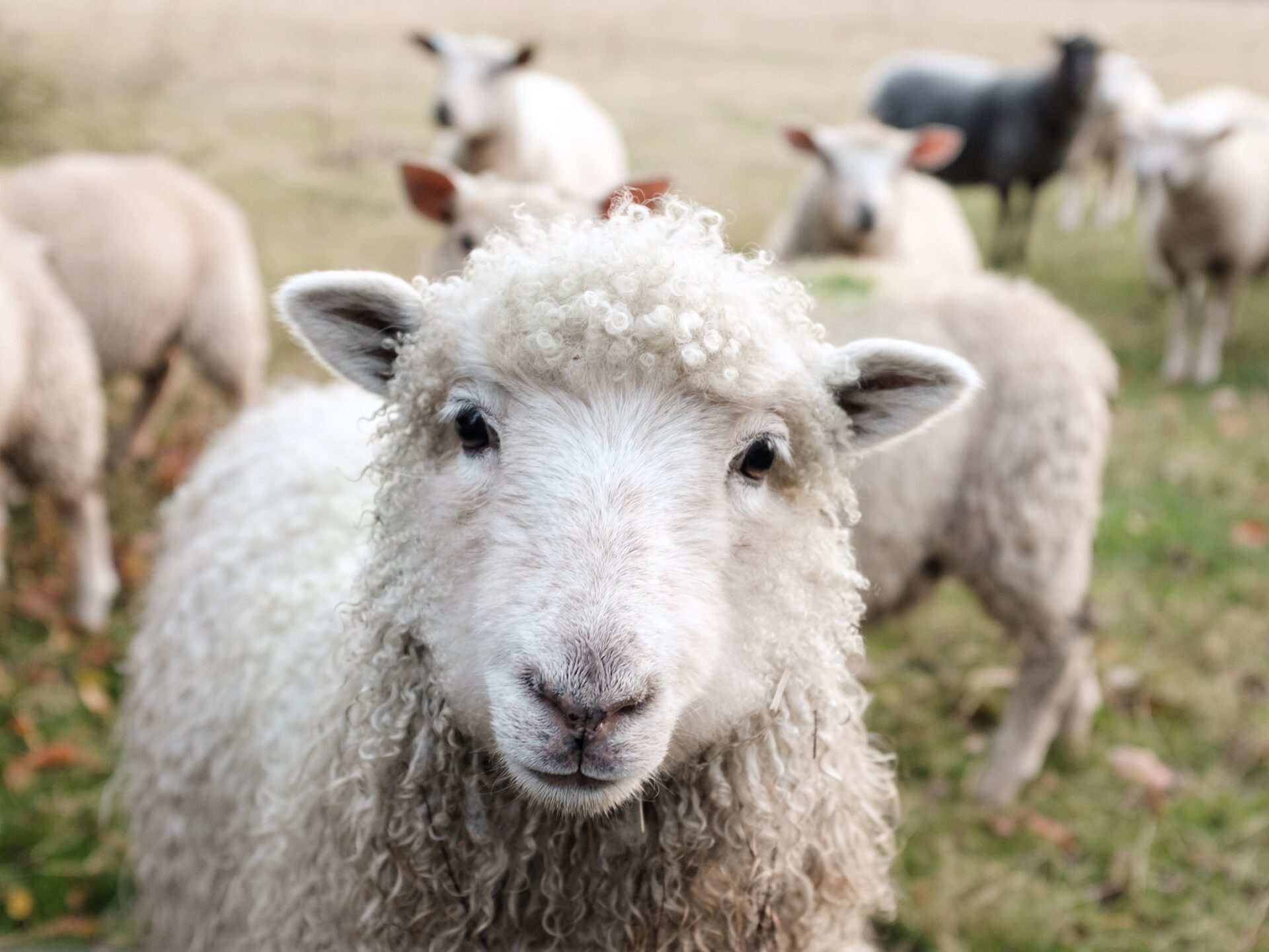
The solution came through cooperation with local herders. Instead of using costly and demanding mowing equipment, the overgrown grass is now managed by flocks of sheep grazing freely beneath the panels. To further improve conditions for the animals, technicians adjusted the layout and height of the panels, increasing the spacing and elevating them to allow sheep to move and graze without obstruction.
Development of the project in this area is still ongoing, and once completed, the green grazing area is expected to expand to 450 square kilometers, enabling the annual production of more than 100,000 tonnes of grass. Herders are allowed to bring their sheep for grazing during a specific period each year, from June to October, and the solar park is used by 18 surrounding villages with a total of around 20,000 sheep.
Katarina Vuinac