





Moldova accelerates energy integration with the EU: from April 1, it opens the gas market to large consumers
- Fosil Fuels
- 2 mins
Moldova entered 2026 with ongoing energy sector reforms. According to information from the Energy Community Secretariat, in 2025 Moldova was, for the second year in a row, ranked as the leading reformer among the Energy Community Contracting Parties in implementing measures that support integration with the EU energy market.
In other words, the comparison does not refer to all European countries or EU member states, but to the group of countries that are part of the Energy Community framework and are aligning their energy legislation with EU rules. This group also includes Serbia, Montenegro, Bosnia and Herzegovina, and North Macedonia.
One of the key steps in this process is due on April 1, 2026, when Moldova plans to abolish regulated gas prices for large consumers (not households), including energy and district heating companies, industry, and commercial users, which, according to some data, account for around 55 percent of national gas consumption. The transition to market-based pricing will be gradual. Liberalization for medium-sized consumers is planned by April 2027, while households, small businesses, and providers of essential services will still be able to choose between regulated supply and market-based contracts.
More:
Progress in the gas sector comes after the 2021–2022 crisis, when supply disruptions exposed the risks of relying on a single supplier. In the meantime, Moldova has worked on diversifying supply sources and routes, while additional room for competition and more secure supply is seen in strengthening regional gas flows.
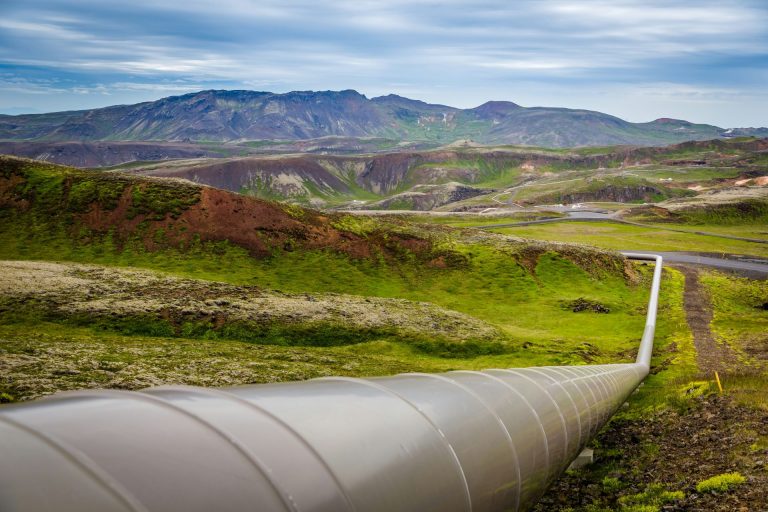
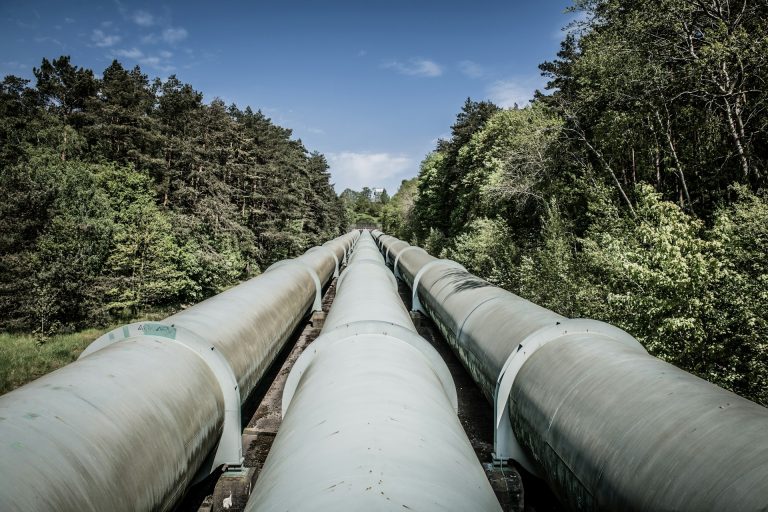
Among the important elements cited is the full operationalization of reverse flow on the Trans-Balkan gas pipeline, which could open up greater opportunities for gas deliveries, including LNG via Greece.
At the same time as reforms in the gas sector, Moldova’s electricity sector reached an important institutional milestone in 2025 by fully transposing the package of regulations for electricity market integration. This paved the way for future integration with the EU internal electricity market even before formal EU membership, pending expected verification by the European Commission.
At the same time, a nationwide power outage in January 2026 highlighted vulnerabilities in the system and underscored, as one of the priorities, the development of cross-border infrastructure, especially with Romania, as well as better access to monthly electricity auctions with EU partners, according to the Energy Community website.
According to the Energy Community, Moldova also continued to make progress in decarbonization, as confirmed by the launch of a second renewable energy auction in December 2025.
One of the next priorities highlighted for 2026 is the establishment of a carbon pricing mechanism aligned with the EU ETS.
Energy portal