




Siemens: A Reliable Partner in the Digitalization of the Energy Sector
Share
Given the pioneering implementation of Process Bus technology, the SS 400/110 kV Bor 6 has become a reference for a technological breakthrough in the domestic power system and a model for a new approach to management and monitoring.
The project was implemented through the joint efforts of the Siemens Smart Infrastructure team in Serbia and experts from the Elektromreža Srbije (EMS) team, with the goal of establishing a solid foundation for next-generation digitized substations.
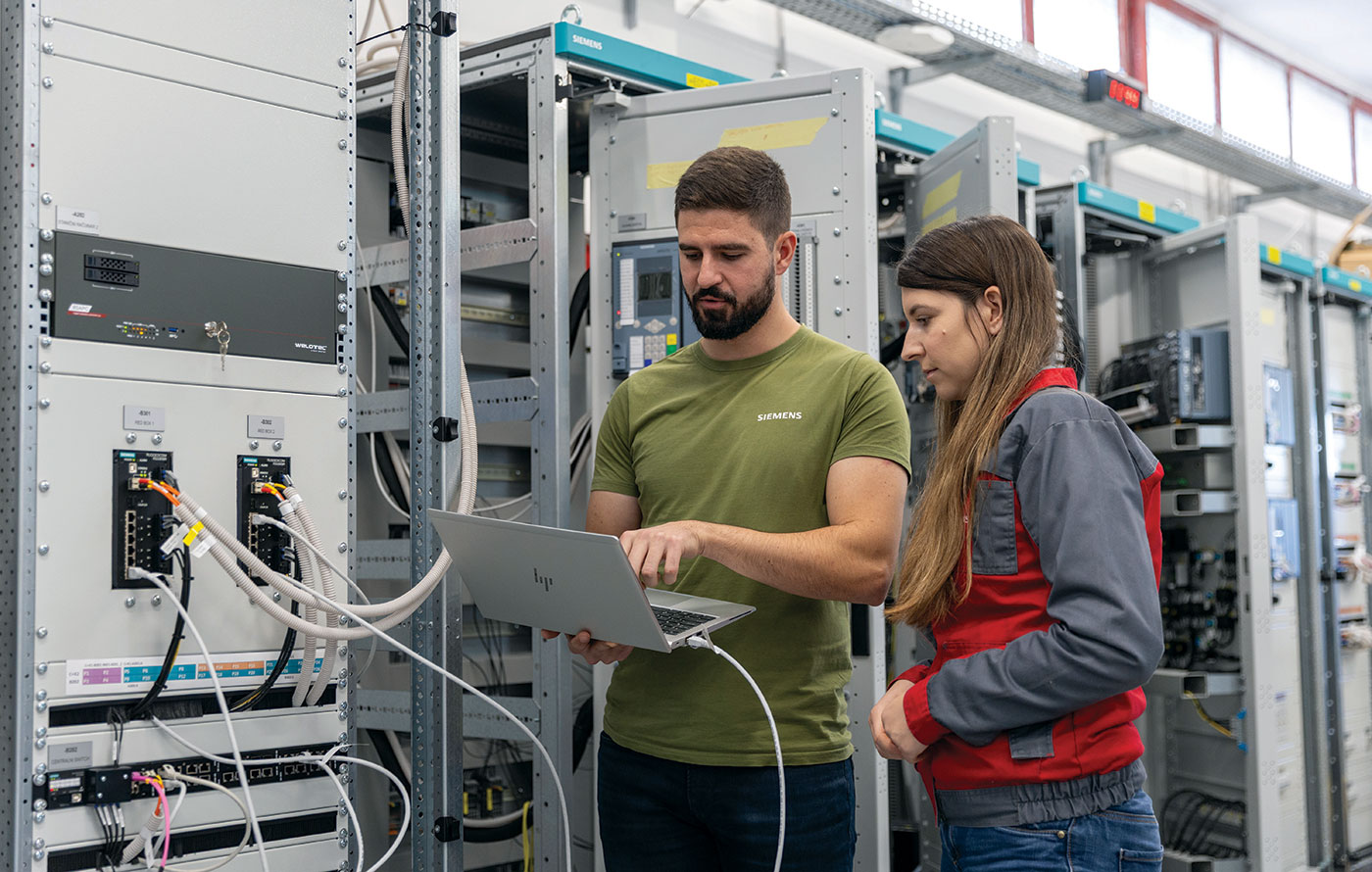
Unlike traditional plants, where analog signals travel through hundreds of meters of copper cables, in SS Bor 6 digitized measurements are transmitted exclusively by optical communication. This reduces the demand for cables, accelerates information processing, and ensures greater reliability of the entire system.
The Merging Unit plays a key role, collecting analog values from conventional transformers and converting them into Sampled Values.
The data provided is then distributed to protection and control devices via the Ethernet network. This architecture enables faster testing, simpler diagnostics, and greater flexibility in substation operations, particularly for future upgrades and expansions.
The successful application of the innovative technology is supported by prior experience gained on the SS Belgrade 3, where optical measuring transformers were used for the first time in Serbia. This project played a significant role in transferring practical knowledge about the integration of optical measurement systems into existing protection architecture, as well as about Process Bus technology. The difference between the two projects is reflected in their scope and complexity: while Belgrade 3 was a prelude, Bor 6 is the first fully digital structure in practice.
IN FOCUS:
- CEEFOR Strengthens its Operations With Two Additional ISO Certificates
- Solar Recycling Container – An Innovation From Banja Luka
- ABB Celebrates 50 Years of Variable Speed Drives – Technology, people, and vision shaping the energy future
During the execution of the works, a special challenge was the implementation of the SIPROTEC 5 Merging Unit device and the establishment of a redundant communication network based on the PRP protocol. The goal was to synchronize the operation of all components without interruption while synchronizing multiple data sources simultaneously. Despite the complexity, the project was completed three months ahead of schedule, which is the result of the coordinated work of teams on the ground and detailed preparations during the testing phase.
FAT tests conducted at the request of EMS simulated a whole range of operating scenarios – from standard conditions to failures and extreme loads – with the aim of confirming the stability and responsiveness of the system in real operation. The results showed that the process bus structure provides a high level of reliability, especially in situations requiring immediate measurement validation and rapid protective action.
With the introduction of this solution, SS Bor 6 has become a reference project for future digital substations in Serbia. Reduced maintenance costs, a higher level of data availability, and easier integration of new technologies make Process Bus the right solution, tailored to current needs for further development of the electricity transmission network.
Milorad Jovičić, Sales Manager at Siemens Serbia, Smart Infrastructure Division, notes that this project represents an important milestone: by implementing the Process Bus System in Bor, we have demonstrated that domestic teams can deliver the most demanding technological projects. This experience opens up space for more advanced digitalization of substations in the coming years.
Siemens
The story was published in Energy portal Magazine DIGITALIZATION