



Digital Energy Management in Hotels – The Role of the ABB KNX System
Share
Digitalization in the building sector today represents one of the key tools for reducing energy consumption and achieving climate targets. Hotel facilities, which operate 24 hours a day and consume high amounts of energy per room, present a particularly challenging environment. For this reason, smart automation systems, such as the global KNX standard, are becoming an important part of energy-efficiency and sustainable building management strategies.
One of the most representative examples is the Geneva Marriott Hotel—a facility in which KNX has become the “silent conductor” of the entire environment. Across 263 rooms, more than 1,500 luminaires and as many as 4,500 power outlets are connected into a single smart network that responds to guest presence, time of day, and desired comfort level. Guests enjoy personalized scenes such as welcome, sleep, or do not disturb, while lighting, climate control, and blinds automatically adjust to the needs. The result is a perfect harmony between aesthetics and technology—an experience that is felt, not seen.
ABB KNX demonstrably delivers 20–40 percent energy savings, representing a significant savings in hotels with a large number of rooms. Automatic shutdown of lighting, cooling, heating, and power outlets when a guest leaves the room, along with dynamic HVAC regulation, directly reduces operating costs. In facilities operating 24/7, such optimization becomes a key factor of financial sustainability.
Operational efficiency is equally valuable. Staff can monitor room status at any time: whether a room is occupied, whether do not disturb is activated, whether energy is being consumed unnecessarily, or whether a fault has occurred. Automated room preparation before guest arrival, optimization of public spaces, and centralized consumption monitoring simplify reception and technical operations, reducing the need for manual checks and freeing staff to focus on what truly matters to guests.
ABB KNX provides what is often sought: absolute design freedom. With Busch-Jaeger premium lines—from glass and metal frames to intelligent card switches, iceLight modules, thermostats, and advanced KNX panels—technology fully integrates into the interior design vision, enhancing rather than occupying the space. Elegant surfaces, minimalist forms, and the possibility of switch branding ensure that every detail visually “belongs” to the hotel.
IN FOCUS:
- Recycling and Raising Environmental Awareness in the Municipality of Brod
- A Practical Guide for Local Governments: Supporting the Formation of Energy Communities
- MT-KOMEX 2025: A Year of Technological Breakthroughs and Regional Expansion
One of the most important advantages of KNX is its openness. This means a hotel is not tied to a single manufacturer or generation of devices. ABB equipment can be combined with hundreds of other KNX devices available on the market, reducing investment risk and ensuring long-term scalability. The system can be expanded without changing the infrastructure—new rooms, spa centers, restaurants, or conference halls can be easily integrated into the existing network.
In modern hotels, KNX installations rarely operate in complete isolation—they are typically integrated into a broader Building Management System (BMS) that consolidates various building subsystems: HVAC, fire protection systems, security cameras, hotel reservation software (PMS), and more. Integration of ABB KNX systems with BMS platforms can be achieved in multiple ways, depending on the platform used, but in practice, standards such as BACnet/IP and Modbus are often applied for communication between the KNX network and the supervisory system. Integration with PMS, GRMS, and BMS platforms enables unified management of all key aspects of hotel operations.
Although KNX systems require professional configuration during initial commissioning, once operational, they are relatively easy to maintain. ABB offers diagnostic tools, such as i-bus® Tool, that allow integrators to connect remotely, check device status, test communication, and more. If a hotel adds new rooms or undergoes renovation, the integrator can incorporate new devices into the ETS project and adopt the existing configuration without altering what is already functioning.
This protects the investment in the long term—KNX installations from 2025 can be upgraded in 2030 with new components that remain compatible (both backward and forward), thanks to the standard. ETS (Engineering Tool Software) is the official software used for designing and commissioning KNX installations.
In practice, one of the most valuable attributes is KNX stability. It operates on a wired bus system, is independent of Wi-Fi, is designed for continuous operation, and is minimally susceptible to interference. For hotels that simply cannot afford downtime, this reliability is a value that no wireless technology can replace.
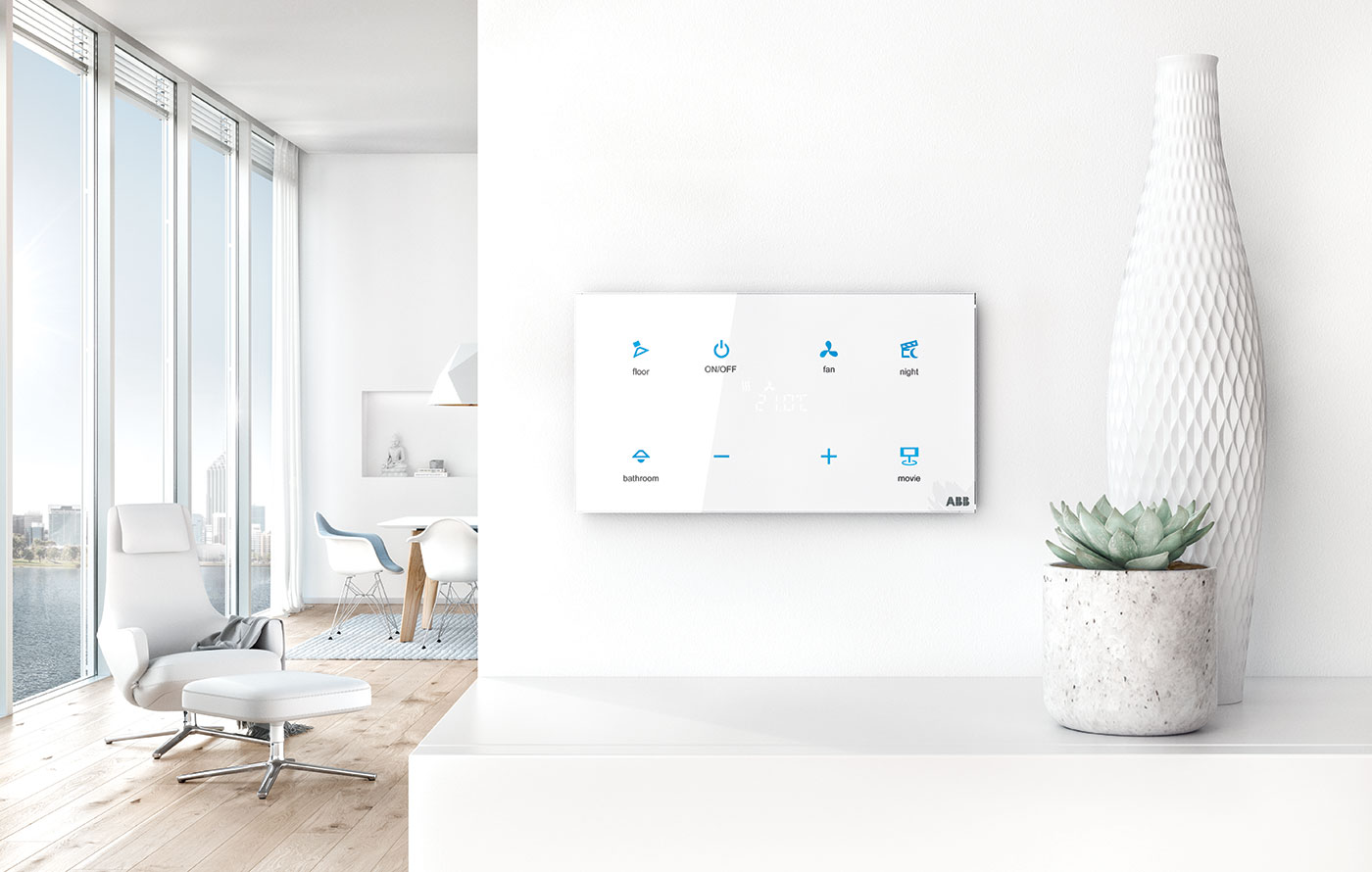
Guests can easily control all aspects of their room environment via elegant and intuitive panels. For example, glass ABB tacteo® KNX sensors provide a premium experience—at the touch of a single button, guests can dim the lights, lower the blinds, and adjust the temperature for a sleep scene.
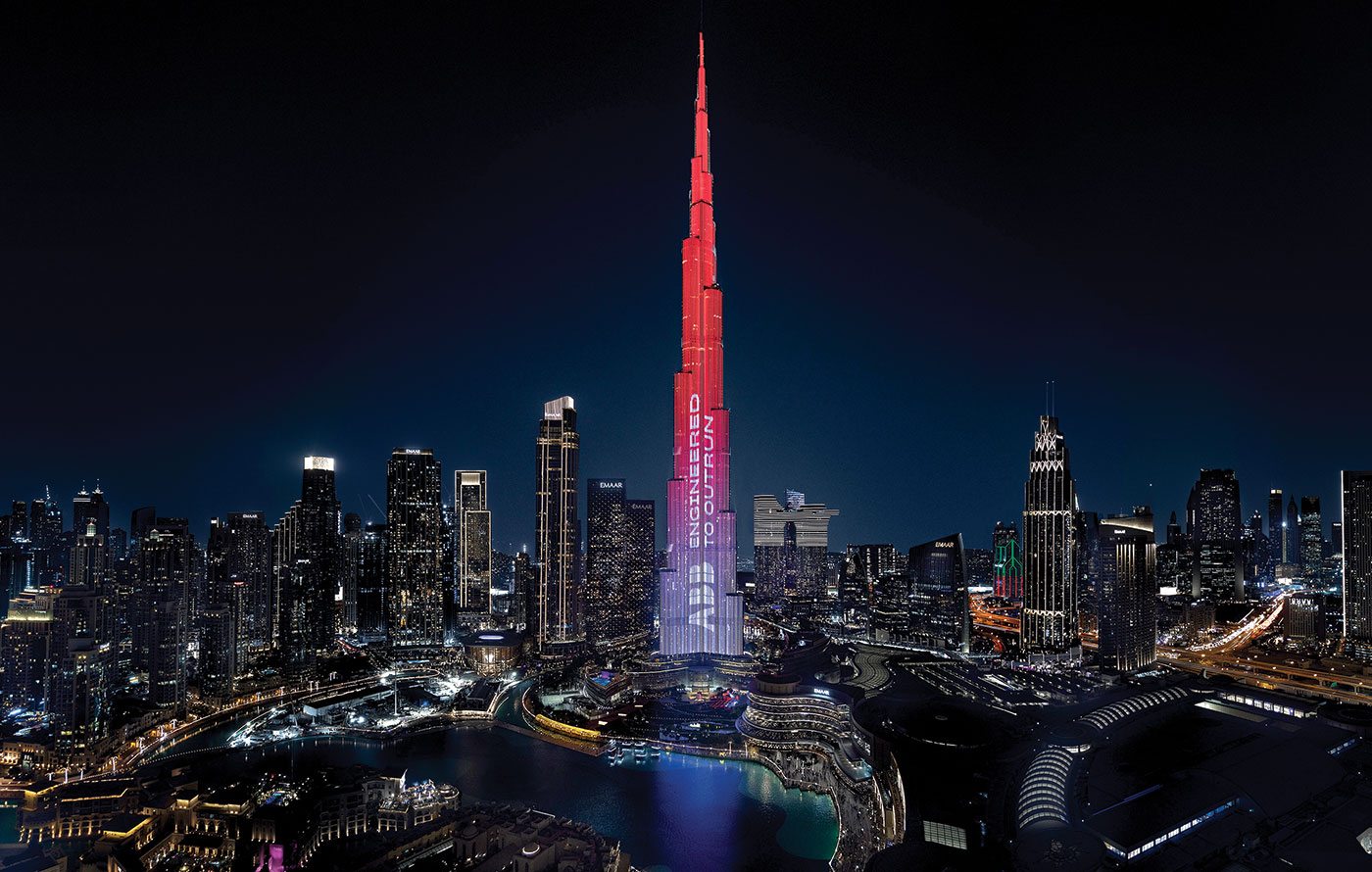
That ABB solutions truly push the boundaries of what is possible is illustrated by another symbol of modern engineering. Recently, the sky above Dubai lit up with a spectacular façade light show on the Burj Khalifa, the world’s tallest building, marking its 15th anniversary. The reason is simple yet impressive: for 15 years, ABB has ensured a reliable power supply for all key systems of this giant—from lighting, ventilation, and air conditioning to elevators and the famous fountains that reach up to 150 meters into the air.
This example perfectly illustrates what ABB does worldwide: enabling critical systems to operate flawlessly, making facilities more efficient, productive, and sustainable, and ensuring that even the most demanding projects exceed expectations. This is the essence of ABB’s philosophy—Engineered to Outrun.
When this global expertise is combined with the flexibility and stability of the KNX standard, it becomes clear why ABB KNX solutions are present in prestigious hotels worldwide: JW Marriott Dubai, Sheraton Grand Dubai, Marriott Singapore, Courtyard by Marriott Warsaw Airport, as well as luxury resorts of brands such as Bvlgari and Yas Viceroy.
The same applies to our region. In Serbia, projects such as Hotel Mona and the hotel in Rajićeva have already been realized, while one of the most significant KNX projects currently underway is King’s Circle Residence at Slavija—a premium hotel-residential complex being developed in phases. This project positions Belgrade among cities adopting the most advanced hospitality standards.
In the context of European decarbonization and energy transition goals, smart buildings and automation are becoming key elements of sustainable development. ABB KNX represents an example of how digital infrastructure can simultaneously enhance user comfort, reduce energy consumption, and ensure long-term investment sustainability.
In the rapidly evolving world of hospitality, ABB KNX has therefore become much more than a technological standard—it has become a strategic advantage.
ABB
The story was published in Energy portal Magazine DIGITALIZATION