


Newsletter Subscribe
Enter your email address below and subscribe to our newsletter

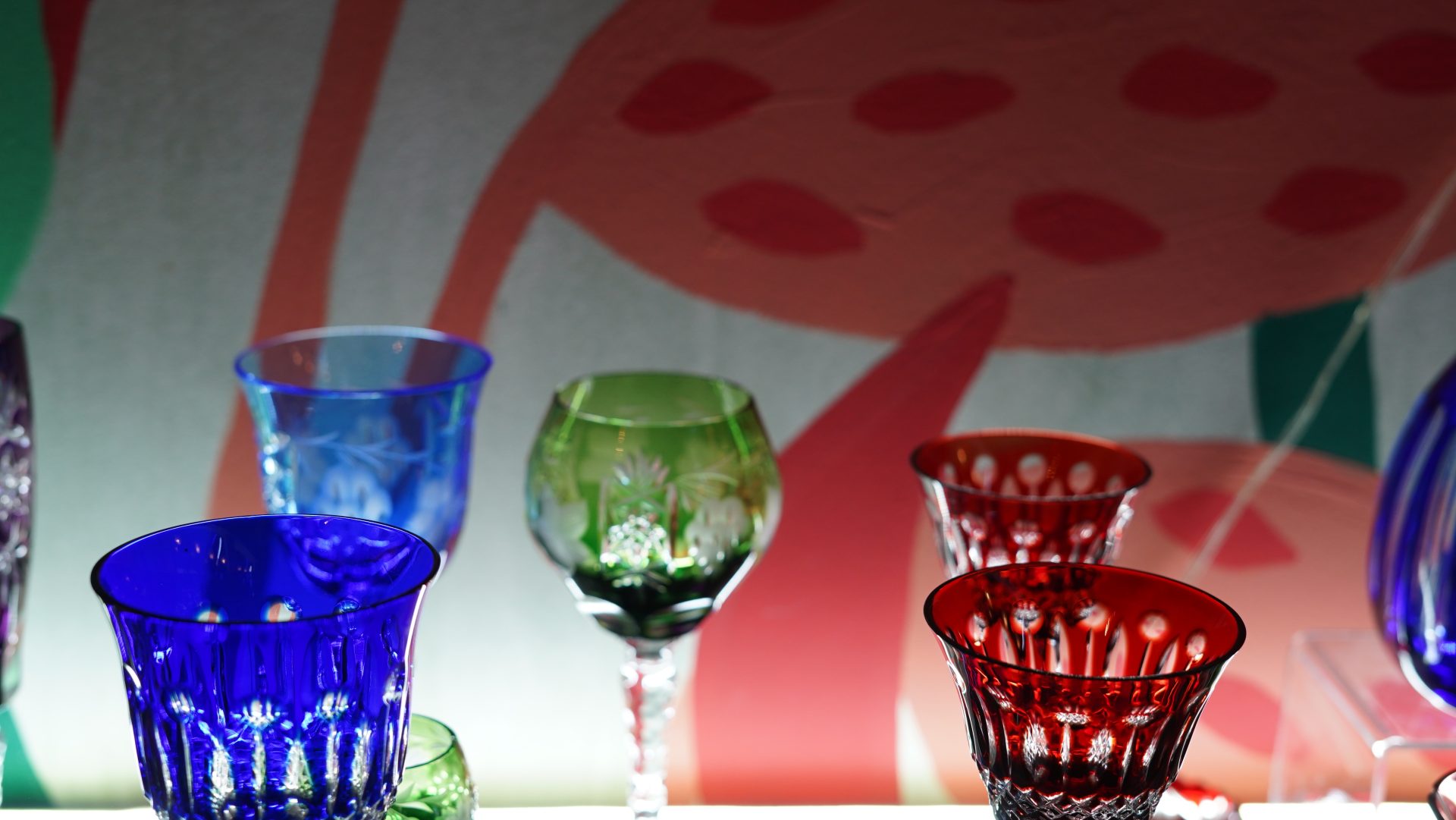
Although Serbia currently recycles between 40 and 45 percent of glass packaging, the application of circular glass is still in the development phase but is recording significant progress. According to the conclusions of the “Creative Glass” Forum, this is primarily due to harmonization with European Union regulations and the introduction of business practices that already function successfully in member states.
The European Union remains the global leader in glass recycling, with an average rate of about 75 percent, which annually means recycling as much as 11 million tons. Although Serbia is ahead of Bosnia and Herzegovina and North Macedonia in this regard (where rates are below 30 percent), further progress requires infrastructure development, the introduction of a deposit system, and raising citizens’ awareness.
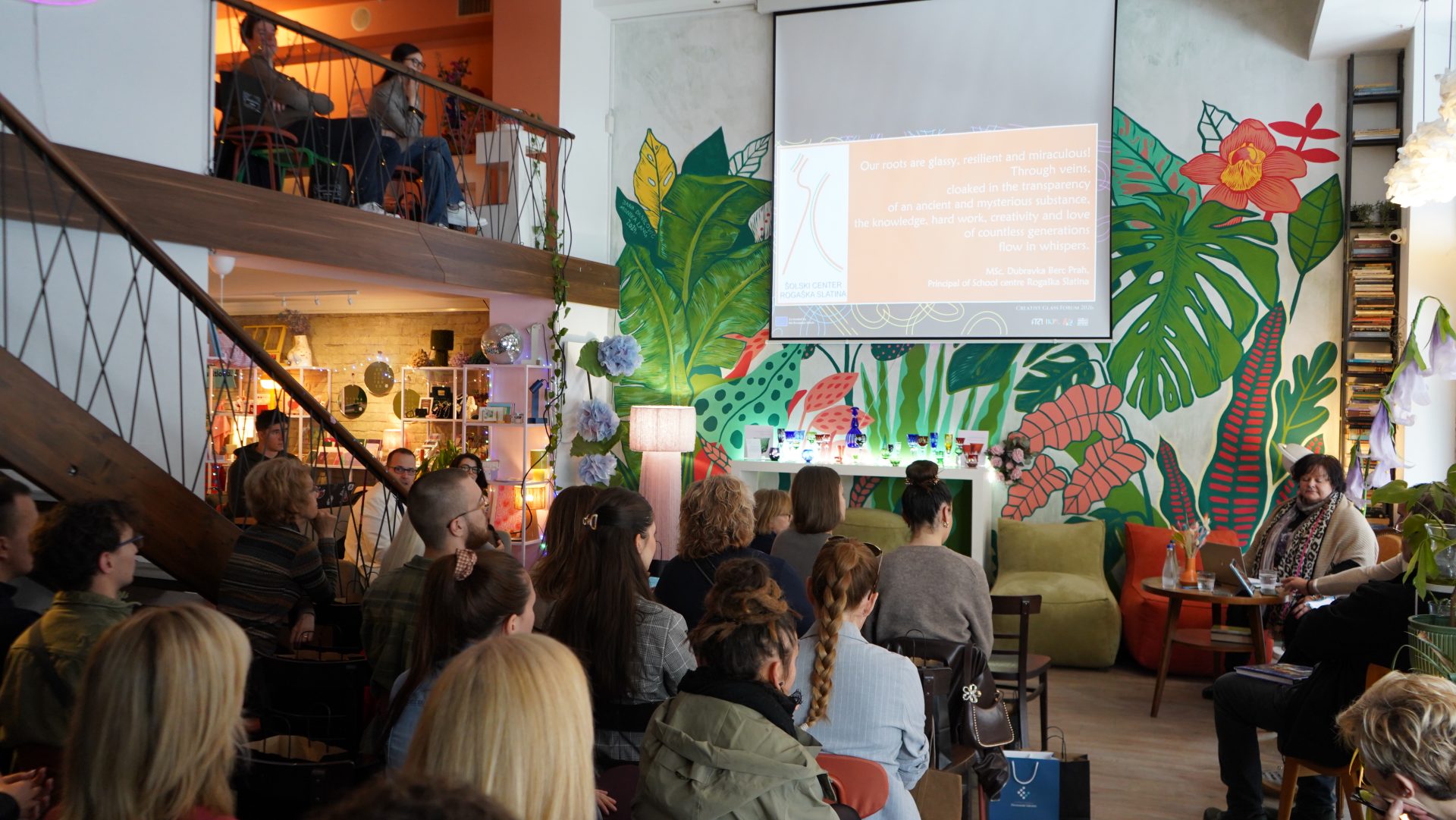
The Forum was held as part of marking 180 years of organized glass production in Serbia and the project “Glassmaking tradition meets innovation,” supported by the European Union. The gathering included experts, artists, and educators from Serbia, Denmark, Slovenia, Romania, Bulgaria, and Great Britain.
Energy savings of up to 30 percent
At the global level, there is an increasing shift towards the circular model of glass production, which implies that the material is constantly returned to use instead of becoming waste. Circular glass is most prevalent in the packaging industry (bottles and jars), construction, and the automotive industry.
The application of these models brings energy savings of up to 30 percent, along with a significant reduction in carbon dioxide emissions and the amount of generated waste compared to traditional production methods.
Circularity implies the synchronization of all phases – from collecting glass waste, sorting by color and quality, crushing, melting in furnaces, shaping (blowing, pressing, casting), to cooling.
Challenges for craft and artistic work
Although the circular approach has numerous advantages, its application in craft and artistic work with glass faces technical challenges. Different types of glass have different melting points, and mixing can lead to cracking or deformation. Additional problems include the lack of clean, well-sorted waste glass, the high melting temperatures that make the process expensive for small workshops, as well as an insufficient number of educational programs and workshops.
Thanks to artists and innovative entrepreneurs, historical practices of glass reuse are gaining new life, showing that glass can be both a material and a medium that connects aesthetics, industry, and sustainability.
180 years of glassmaking in Serbia
The Forum was also held in memory of 180 years since the beginning of organized glass production in Serbia. The origin of this industry is tied to the politician and statesman Avram Petronijević, who acquired his trade and entrepreneurial knowledge in Vienna. In 1843, he requested special privileges from the State Council to build a glass factory near Jagodina, and by 1846, the first glasses were produced and gifted to Prince Aleksandar Karađorđević.
Although the first glassworks did not last long, the legacy continued – particularly in the Paraćin factory, founded in 1907 by Milivoje Popović, which still operates today. Although many factories opened during post-war industrialization (in Prokuplje, Zaječar, Pančevo, Alibunar) ceased operations during the 1990s, the glassmaking heritage remains an important part of Serbia’s cultural and economic identity.
Energy portal