


Newsletter Subscribe
Enter your email address below and subscribe to our newsletter
Enter your email address below and subscribe to our newsletter

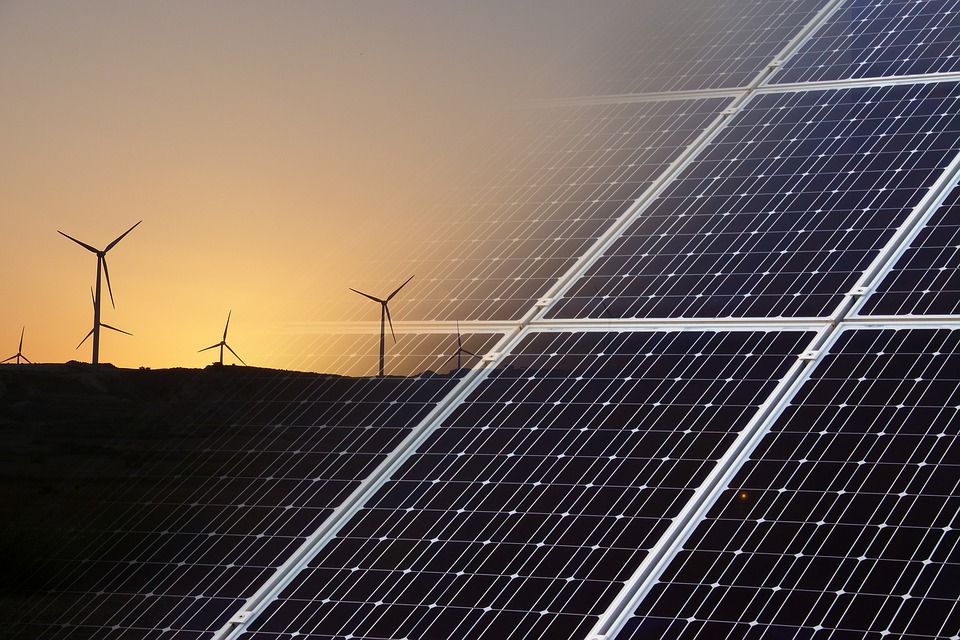
According to the latest Global Electricity Review 2026 published by research organization Ember, the year 2025 marked a historic moment for the global energy sector. Record growth in solar power enabled clean energy sources to grow fast enough to meet all new demand for electricity.
This was the first year since 2020 without an increase in electricity generation from fossil fuels, and only the fifth year without such growth this century.
China and India, historically the largest contributors to the global increase in fossil fuel generation, recorded a decline in production from these sources in 2025. In both countries, record additions of clean energy outpaced demand growth, leading to a halt in global net fossil fuel generation growth.
Solar energy – the dominant driver of change
Solar energy has solidified its role as a key driver of transformation. Its record growth covered three-quarters of the net increase in global electricity demand in 2025. The growth of solar power was 18 times greater than the increase in gas – the only fossil fuel that recorded growth last year.
Global solar power generation is now equal in size to the total electricity demand of the European Union.
China once again led this growth – accounting for more than half of the global increase in both solar capacity and solar generation. This raised the share of solar and wind in China’s generation mix to 22 percent.
India also set a record – renewable energy generation growth doubled its previous record, and for the first time, India installed more new solar capacity than the United States.
Renewables surpassed coal for the first time
In another global milestone, renewable energy sources – solar, wind, hydropower, and others – overtook coal in 2025. For the first time in the modern power system, renewables together accounted for more than one-third of global electricity generation.
At the same time, coal’s share fell below one-third for the first time in history.
The rapid growth of solar power is increasingly being accompanied by battery storage systems, enabling the next phase of the transition – shifting from daytime solar power to solar power available at any time of day.
Battery costs continued their dramatic decline: after a 20 percent drop in 2024, they fell an additional 45 percent in 2025. At the same time, battery deployment increased by 46 percent, to an estimated 250 GWh. As a result, the world installed enough storage capacity to shift 14 percent of new solar generation from midday to other hours of the day.
Leaders like Chile and Australia have installed enough grid-level storage to redirect over 50 percent of new solar generation in 2025 and are already seeing benefits in lower electricity prices and reduced curtailment, Ember reported.
Energy Portal