



Waste Energy from Public Transport as a Resource of the Future
Share
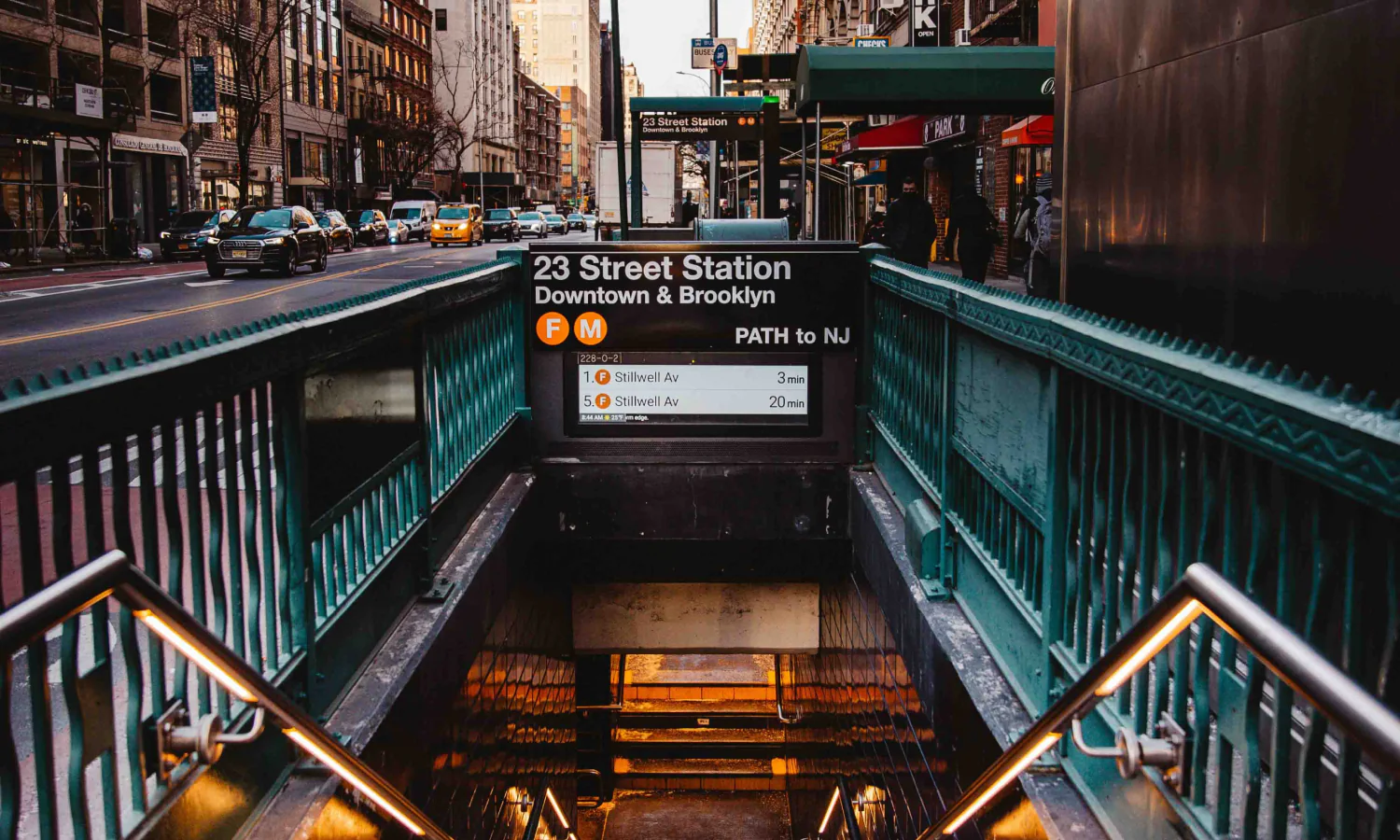
While millions of passengers use metro systems around the world every day, few stop to think that trains, brakes, electrical equipment, and even the passengers themselves generate enormous amounts of heat. In most cities, this energy simply escapes through ventilation systems and is lost into the atmosphere. However, some European cities have found a way to turn this “waste” heat into a valuable energy resource and use it to heat residential and commercial buildings.
Such projects show that the energy transition does not only mean building solar farms and wind parks, but also finding new ways to use the energy that already exists around us.
London: a pioneer in using metro heat
One of the most famous examples comes from London. Engineers have developed a system that uses excess heat from the underground railway to heat residential buildings, offices, and public facilities.
The heat is collected from metro ventilation shafts and then raised to a suitable temperature using heat pumps. After that, it is distributed to users via the local district heating network.
This approach reduces natural gas consumption and carbon dioxide emissions, while simultaneously improving the energy efficiency of the metro system itself.
Paris uses the metro to heat apartments
The French capital has gone a step further. In some parts of the city, heat from metro stations is used to heat social housing and public buildings.
The system works on a relatively simple principle. Heat pumps extract heat from the air in metro stations and transfer it to the buildings’ heating systems. In this way, energy that would otherwise be lost finds a new purpose.
Experts estimate that such solutions can heat entire residential buildings, or at least cover a large portion of their heating energy needs.
What can we learn from these examples?
Although Serbia currently does not have a metro system, the idea of using waste heat can be applied to other sources as well. Industrial plants, data centers, factories, and large commercial facilities generate significant amounts of heat that often go unused today.
In the future, projects like these could become an important part of the energy transition. As cities strive for climate neutrality, every kilowatt-hour of energy that can be reused will become increasingly valuable.
The example of London and Paris shows that sustainable solutions do not always have to come from new energy sources. Sometimes it is enough to look around us and find a way to turn the energy we throw away every day into a resource.
Milena Maglovski