


Newsletter Subscribe
Enter your email address below and subscribe to our newsletter


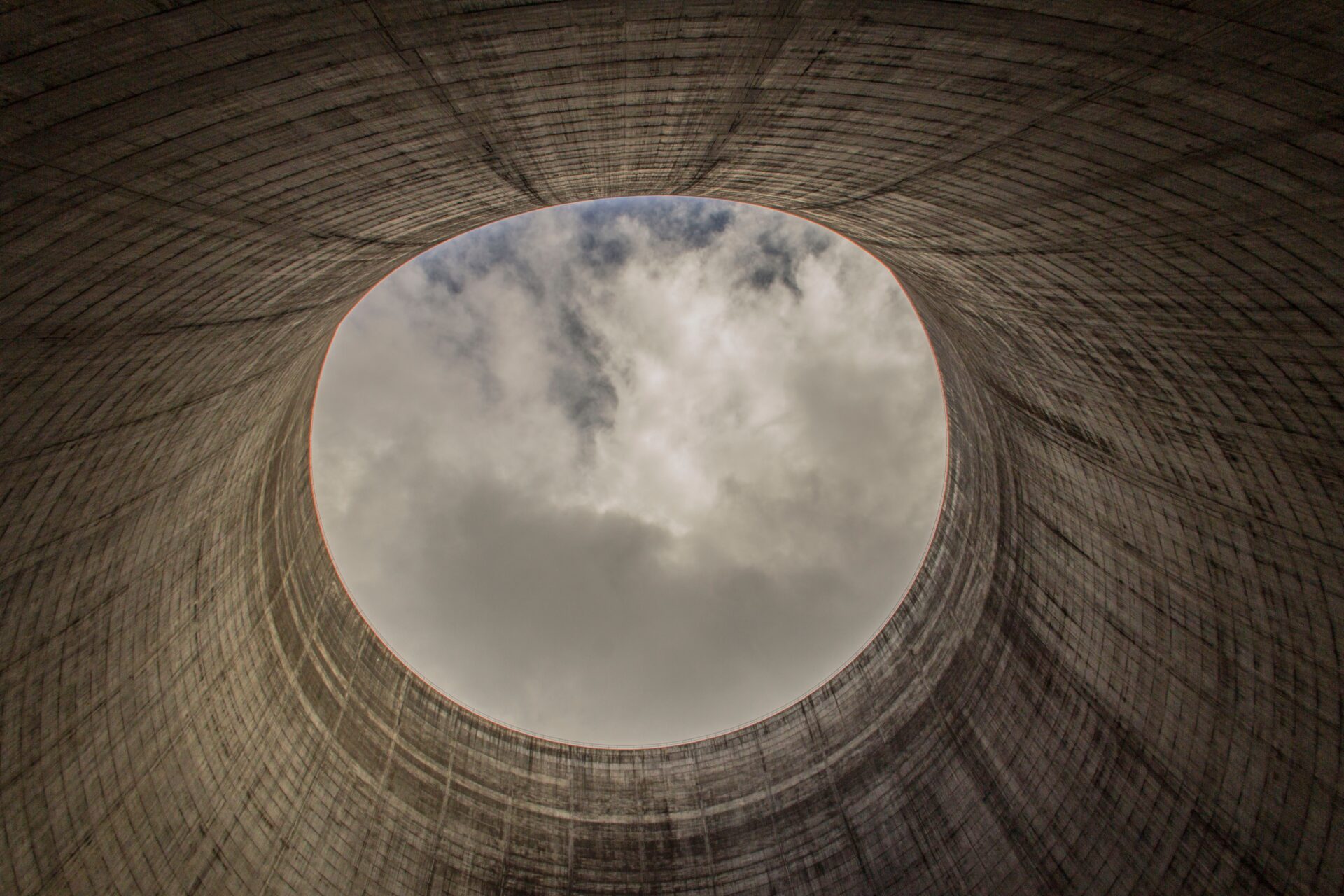
Due to historically low water levels of the Danube River, the Romanian Government has adopted emergency measures to ensure the continued operation of Unit 2 at the Cernavodă Nuclear Power Plant and prevent disruptions to the functioning of the national power system.
To secure sufficient water flow, the Government has allocated seven million lei (around 1.3 million euros) for a temporary redistribution of water flows at the Bala–Old Danube bifurcation, through the installation of floating metal structures that will redirect the river flow. According to the Government, Unit 2 generates around 10 percent of Romania’s electricity demand, meaning that its potential shutdown could affect the stability of the national power system.
At the same time, the National Committee for Emergency Situations declared a state of alert across Romania for a period of 30 days. Relevant institutions have been tasked with taking all necessary measures to maintain the stability of the power system, including increasing electricity generation from all available sources, securing electricity imports and, if necessary, reducing consumption.
Romanian authorities have also announced accelerated commissioning of new solar and wind power plants, as well as energy storage systems that are in the final stages of obtaining operating permits. More than 400 MW of new capacity has been authorised in recent days, around one-third of which relates to energy storage systems.
Prime Minister Ilie Bolojan held talks with Ukrainian officials on the possibility of emergency electricity supplies to Romania. He also called on citizens, companies and public institutions to voluntarily reduce electricity consumption during evening peak hours, when pressure on the grid is highest.
Energy portal