
Newsletter Subscribe
Enter your email address below and subscribe to our newsletter
Enter your email address below and subscribe to our newsletter

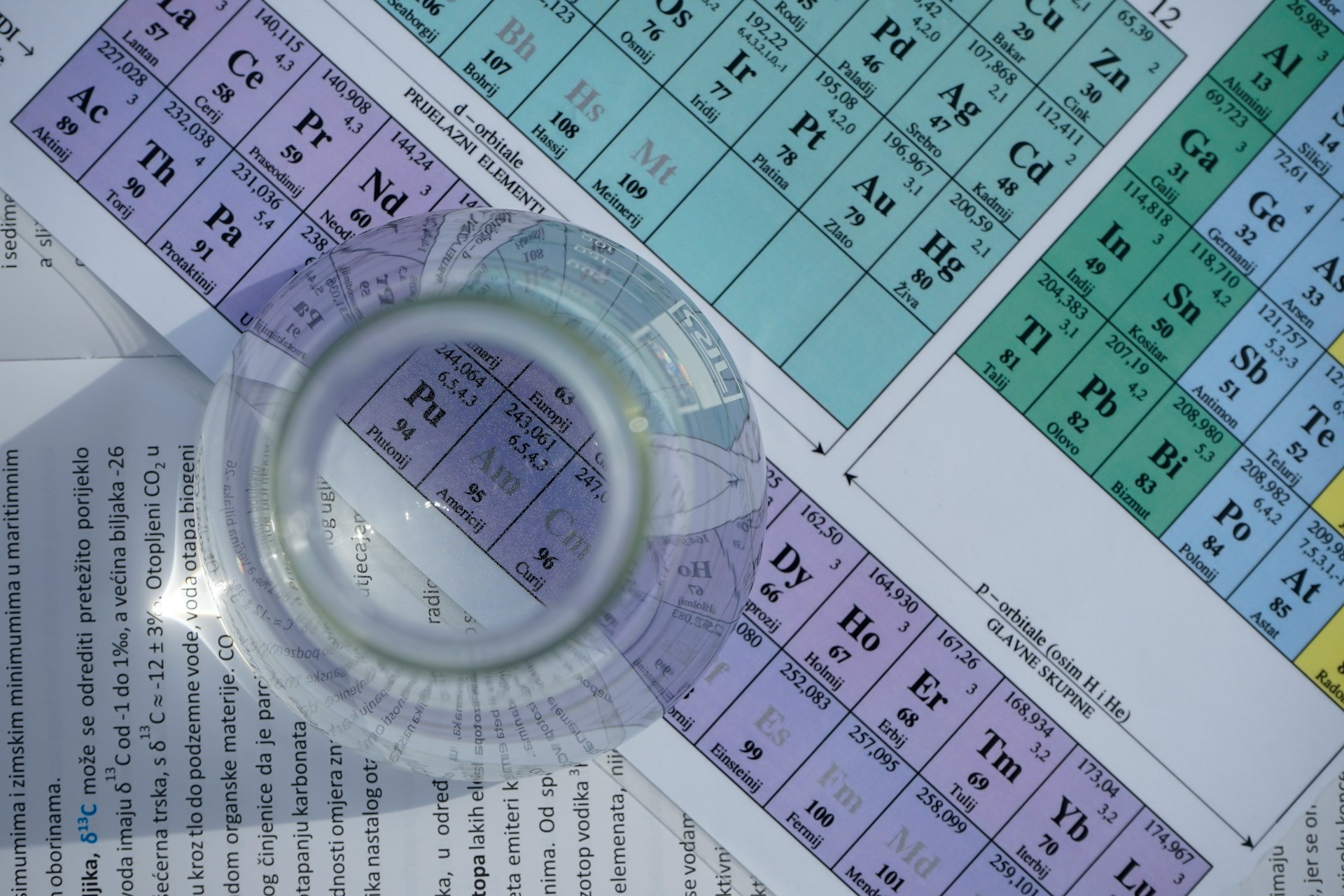
hemicals are an indispensable part of modern life, but their safe use poses one of the greatest challenges in protecting human health and the environment. Although Serbia has largely harmonized its legislation with European regulations, numerous problems continue to burden the system – from insufficient institutional coordination to inadequate control of products containing hazardous substances. We spoke with Jasminka Ranđelović, master biochemist and Program Manager at the organization Alternative for Safer Chemicals – ALHem, about how well protected we really are from harmful chemicals, what the ratification of the Minamata Convention on Mercury means for Serbia, and what the key recommendations are for improving the system.
Q: When we talk about chemical management, where does Serbia stand today in relation to European standards, and what would you single out as the main bottlenecks in the system?

A: Serbia, as a candidate country for membership in the European Union, has achieved a satisfactory level of legislative alignment with relevant EU regulations in the field of chemicals management. By-laws are continuously being harmonized with amendments to the European regulations to which domestic legislation is aligned, although the pace of this process should be further accelerated, a task made more difficult by the limited administrative and professional capacities of the competent institutions.
However, chemical management does not mean only adopting regulations. It requires an integrated approach that connects institutional coordination, effective inspection oversight, data availability, and risk-based decision-making. It is precisely in this area that Serbia continues to face significant challenges.
The main bottlenecks in the system remain structural in nature. Insufficient coordination among institutions, unclear delineation of responsibilities, and limited inspection capacity continue to undermine the effectiveness of market control and the consistent implementation of regulations.
At the same time, the public does not have sufficient access to data on chemicals placed on the market, inspection results, implemented projects, and the fulfillment of obligations arising from international conventions in this field. This makes it more difficult to monitor the actual effects of chemical management policies and reduces citizens’ trust in the system.
In the coming period, the priority should be the further development of an integrated chemicals management system, with a focus on improving inter-institutional cooperation, increasing the availability of information on chemical risks, reducing the use of the most hazardous substances, and strengthening preventive control mechanisms to protect human health and the environment.
Q: At the end of 2024, Serbia ratified the Minamata Convention on Mercury, ten years after signing it. How important is this step, and what will it mean in practice for the state, the economy, and citizens?
A: At the end of 2024, Serbia ratified the Minamata Convention on Mercury, ten years after signing it. The adoption of this convention represents an important institutional step, as Serbia thereby formally confirms its obligation to gradually reduce and eliminate the use of mercury, one of the most toxic substances for human health and the environment. The ratification of the Minamata Convention is not only a matter of international obligations but also a matter of protecting citizens from exposure to mercury through products, waste, and environmental pollution.
However, the key challenge is not the ratification itself, but its consistent implementation. In practice, this means improving the management of mercury-containing waste, identifying potentially contaminated sites, and gradually reducing mercury levels in industrial processes and products. For the economy, this means technical adaptation and the application of safer alternatives, while for citizens, in the long term, it means reduced exposure to one of the most dangerous heavy metals.
The particular importance of the convention is reflected in the protection of the population from products containing mercury. It envisages the gradual restriction and elimination of mercury in various consumer products, wherever safer alternatives exist, such as thermometers, certain blood pressure measuring devices, fluorescent lamps, batteries, and dental amalgam. This encourages the transition to safer solutions and reduces emissions of this extremely toxic substance into the environment. At the same time, it reduces the risk of citizens’ exposure to mercury through everyday product use and through inadequate disposal of waste containing it.
Ratification is also important because it entails developing a system to monitor mercury emissions and releases, improving public information, and implementing protective measures for particularly vulnerable population groups, such as children and pregnant women. For the benefits of ratification to be visible in practice, it is necessary to ensure transparent reporting on the implementation of the obligations undertaken, as well as adequate administrative and financial capacities to realize them.
Q: The report states that Serbia has not yet fully aligned its regulations with the EU REACH Regulation, including the ban on microplastics and certain hazardous substances. How much do such delays affect human health and the environment, as well as Serbia’s European integration process?
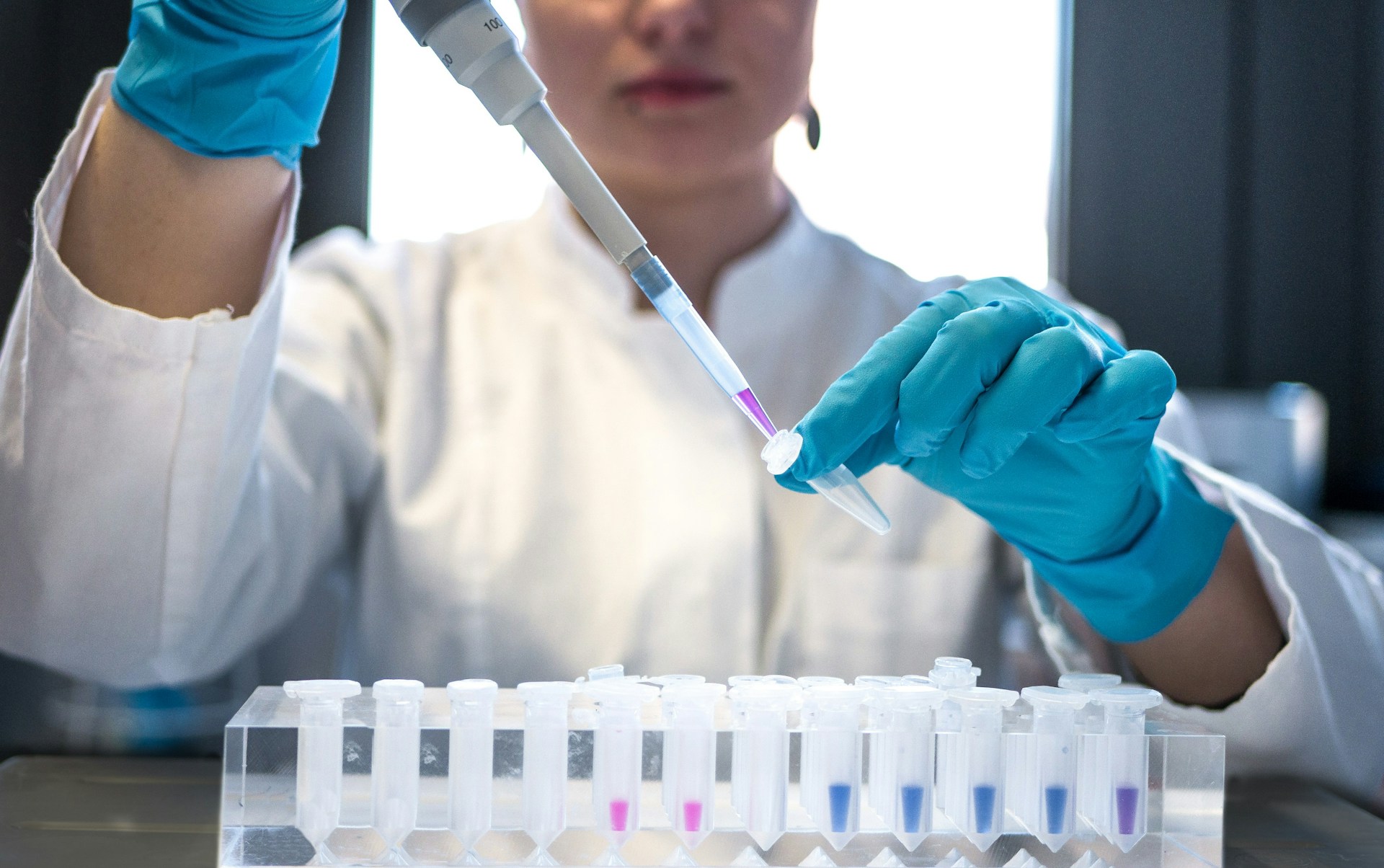
A: The delay in alignment with the EU REACH Regulation means that Serbia still does not fully follow the pace of the European chemicals management system, which is continuously updated on the basis of new scientific knowledge and risk assessments.
Progress has been made in certain areas, such as the introduction of restrictions on microplastics in certain products, primarily in some cosmetics and detergents. However, unlike the EU REACH Regulation 2023/2055, which introduces a broad, systemic approach to banning intentionally added microplastics across a wide range of products – from cosmetics and fertilizers to sports fields and industrial materials – Serbia’s approach remains partial and limited to certain product categories.
From the perspective of health and the environment, this delay creates a time gap between the moment when a particular substance is recognized as risky at the EU level and the moment when the same measure is applied in Serbia. This gap may result in a longer period of exposure of the population and the environment to substances that have already been banned or restricted in the EU.
In the context of European integration, alignment with the REACH Regulation is one of the key benchmarks under Chapter 27, as it demonstrates not only the legal but also the institutional capacity of the system to follow European standards for the protection of health and the environment in real time. For this reason, REACH is viewed not merely as a technical issue but as an indicator of how aligned and operational the chemicals management system is in practice.
Interview by Milena Maglovski
The interview was published in Energy portal Magazine CLEAN ENERGY