
Newsletter Subscribe
Enter your email address below and subscribe to our newsletter

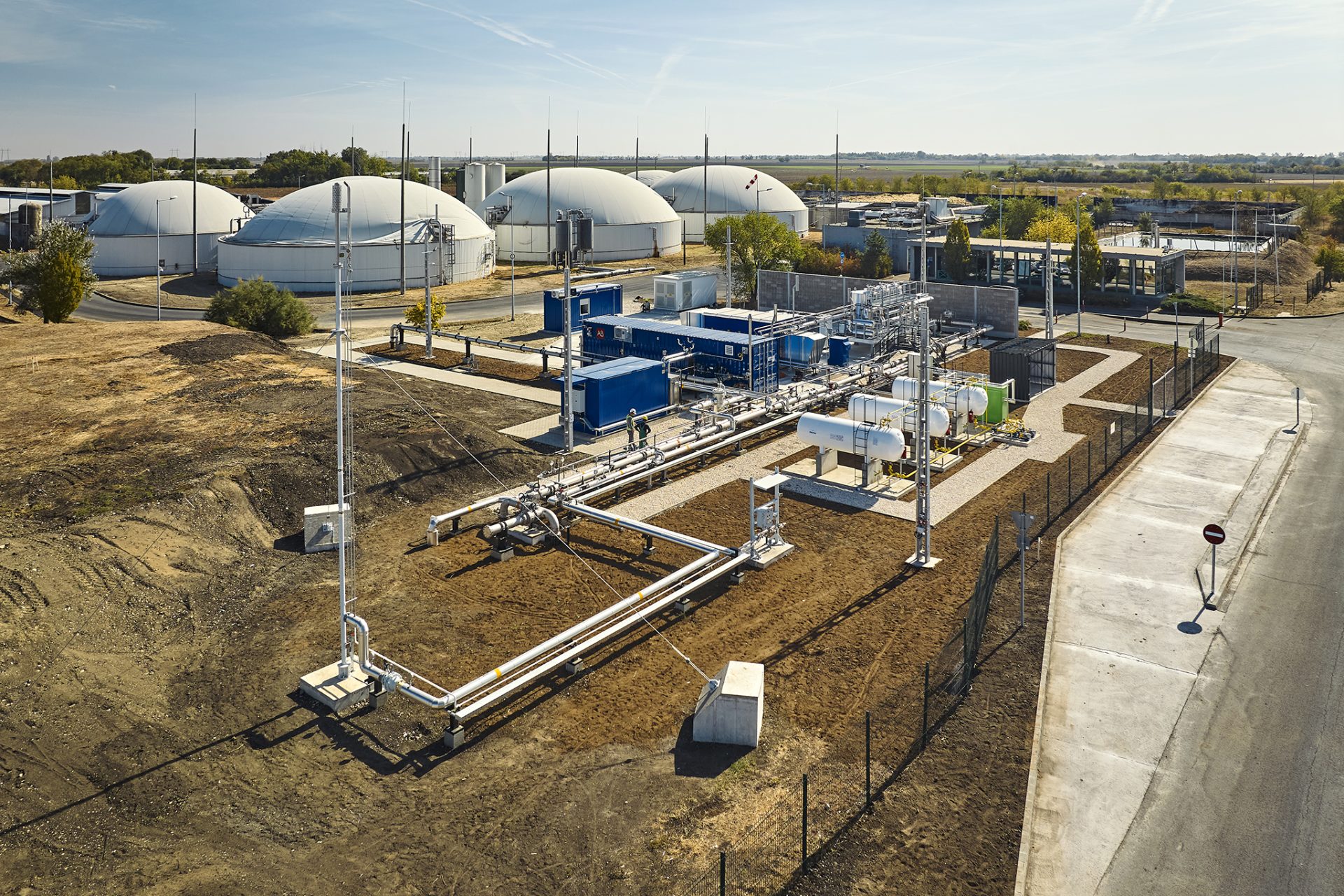
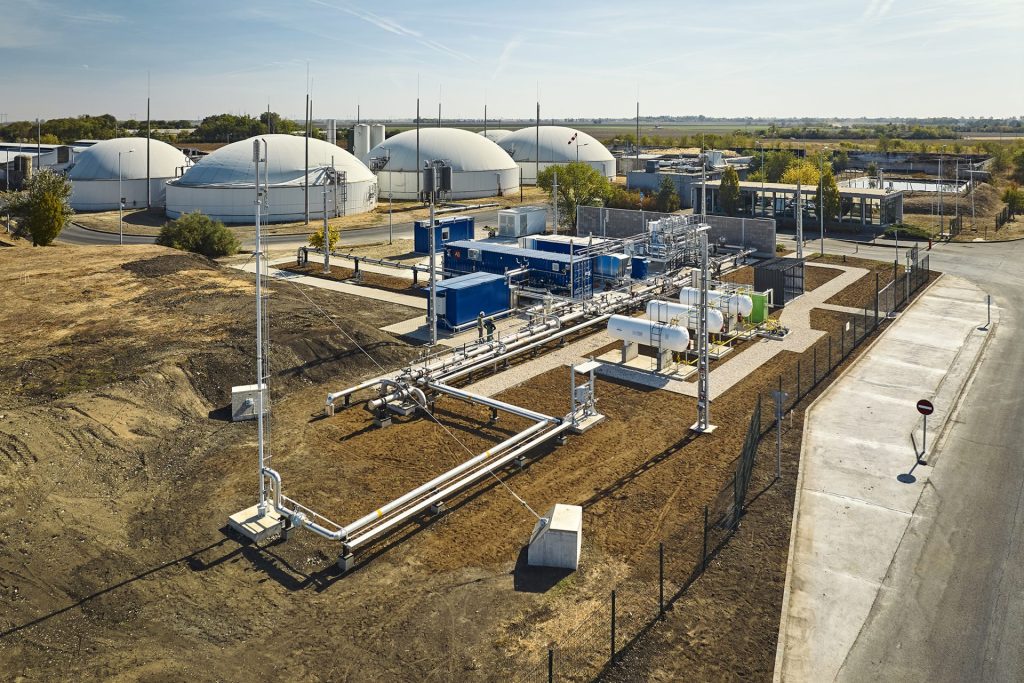
MOL Group has commissioned its first biomethane plant in Szarvas, Hungary. Thanks to an investment worth more than HUF 2.7 billion, the facility can now produce biomethane from biogas to a quality suitable for injection into the national gas network. As a result, more than 7 million cubic metres of natural gas will be replaced by renewable energy annually. The investment marks an important milestone in MOL Group’s long-term SHAPE TOMORROW strategy, further expanding the company’s green energy portfolio, strengthening energy security and contributing to a sustainable energy supply across the region.
Locally produced energy is no longer just an advantage but a strategic factor. In Central and Eastern Europe, biomethane is considered a promising solution, as the region can draw on its strong agricultural base, existing gas network and tangible industrial demand.
Biogas is a renewable energy source produced through the decomposition of organic materials, such as plant residues, manure and food waste. It consists mainly of methane, along with carbon dioxide and other compounds. The new facility purifies biogas by removing CO₂ and other components, producing high-purity biomethane with a high energy content.
Biomethane is not only suitable for replacing natural gas as a fossil fuel, but also represents a higher-value product thanks to its associated ISCC green certification. The volume of 7 million cubic metres of gas corresponds to the annual gas consumption of approximately 8,500 average households.
In addition, biomethane can be used directly in public and freight transport in the form of bio-CNG or bio-LNG, enabling renewable energy produced from organic waste to become a fuel for more sustainable mobility. This is MOL Group’s first biomethane plant and the third facility of its kind in Hungary. The technology for the project was supplied by the Italian company Gruppo AB.
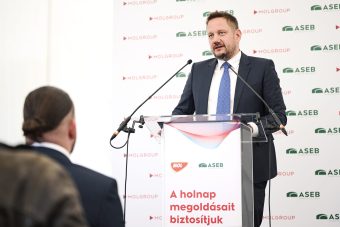
“The commissioning of the biomethane plant in Szarvas marks a strategic milestone for MOL Group. As our first facility of this kind, the plant simultaneously contributes to strengthening energy security, expanding our portfolio of sustainable products and represents another concrete step towards implementing our SHAPE TOMORROW strategy. This investment also demonstrates that, by harnessing the region’s agricultural potential and existing gas infrastructure, we can provide a competitive, locally produced renewable energy source.
“We are convinced that the green transition and competitiveness are not conflicting goals, but interconnected ambitions that reinforce one another. Achieving them requires a supportive European regulatory framework, a national environment that encourages investment, and industrial innovation. In the long term, MOL can transform biomethane into a major gas business with international trading potential, drawing on its commercial, financial and project delivery capabilities,” said Dr György Bacsa, Chief Strategic Officer of MOL Group.
MOL Group acquired the biogas plant in Szarvas in 2023. In recent years, the 11–12 million cubic metres of biogas produced annually had been used in cogeneration, generating almost 24 GWh of renewable electricity per year, as well as a significant amount of heat. This development has further expanded the facility’s capabilities by enabling the production of biomethane that can be supplied to the natural gas network.
The facility processes more than 40,000 tonnes of waste from the regional meat industry each year, along with an additional 53,000 tonnes of residual waste, such as liquid manure and turkey litter, sourced from nearby livestock farms and meat-processing facilities. In addition, approximately 18,000 tonnes of agricultural feedstock are used to produce biogas and, now, the biomethane purified from it.
MOL’s agricultural partners and feedstock suppliers play a key role in ensuring a stable and efficient supply of raw materials. The company therefore intends to further strengthen its strong and reliable cooperation with the agricultural sector in the future.
The experience gained from operating the Szarvas facility will also help MOL assess future acquisition opportunities and plan new greenfield investments.
MOL Group