


Newsletter Subscribe
Enter your email address below and subscribe to our newsletter


Innovations in energy and environmental protection are becoming a key driver of sustainable development and the transition to cleaner energy sources. They enable more efficient use of resources, reduction of harmful gas emissions, and the development of technologies that place less pressure on nature. As a developing country, Bosnia and Herzegovina has significant potential in this field, especially through the growing number of innovators developing new ideas and technologies. It is precisely this innovative spirit that represents an important foundation for the country’s future economic and environmental progress.
Air pollution in Bosnia and Herzegovina, particularly in Sarajevo during the winter months, has long been a serious environmental and health problem. High concentrations of harmful particles are most often associated with coal and wood heating, traffic, and unfavorable meteorological conditions in basin-shaped cities. In this context, innovation is becoming an important part of potential solutions.
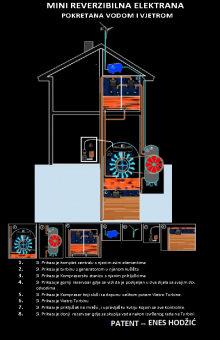
One example is the idea of Sarajevo-based innovator Enes Hodžić concerning mini power plants for households. His patent on a reversible turbine for household power plants could enable local electricity generation. Such solutions could directly help reduce emissions from individual heating systems, which are among the main sources of air pollution in cities.
As Hodžić points out, the development of such small energy systems for households would enable electricity generation while simultaneously reducing the need for coal combustion.
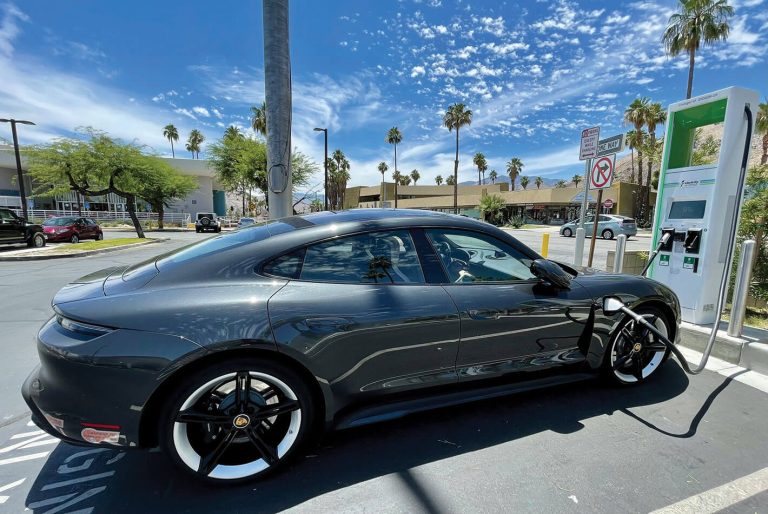
– Reversible mini power plants would have broad application both in households and in the business sector, and could also play an important role in the context of the growing number of electric vehicles. Such systems can contribute to the creation of local vehicle charging infrastructure, said Hodžić. He emphasizes that such solutions would be particularly relevant in the context of increasing reliance on renewable energy sources.
Hodžić further improved his original patent with a new patent application that integrates solar energy, enabling the system to operate continuously throughout the day. This, he says, has created a prerequisite for more stable and reliable energy generation from renewable sources.
As he stated for the Energy Portal Magazine, the solution is designed to be particularly efficient in urban areas, where it could be used, among other things, to charge electric vehicles. One of the advantages of this system is also the absence of losses in electricity transmission, which contributes to its overall efficiency.
IN FOKUS:
– My patent is based on storing heat from solar energy using directed mirrors or focusing prisms. Solar energy is directed into a device through which molten salt circulates, accumulating thermal energy. This energy is then used to heat water and convert it into steam. High-pressure steam drives a turbine to generate electricity. The salt is heated to a temperature of approximately 600°C, while the steam reaches a pressure of up to 120 bar, enabling efficient operation of the turbine and generator. The generated electricity can be delivered directly to the power grid, thereby reducing losses during transport to end consumers – the innovator explains.
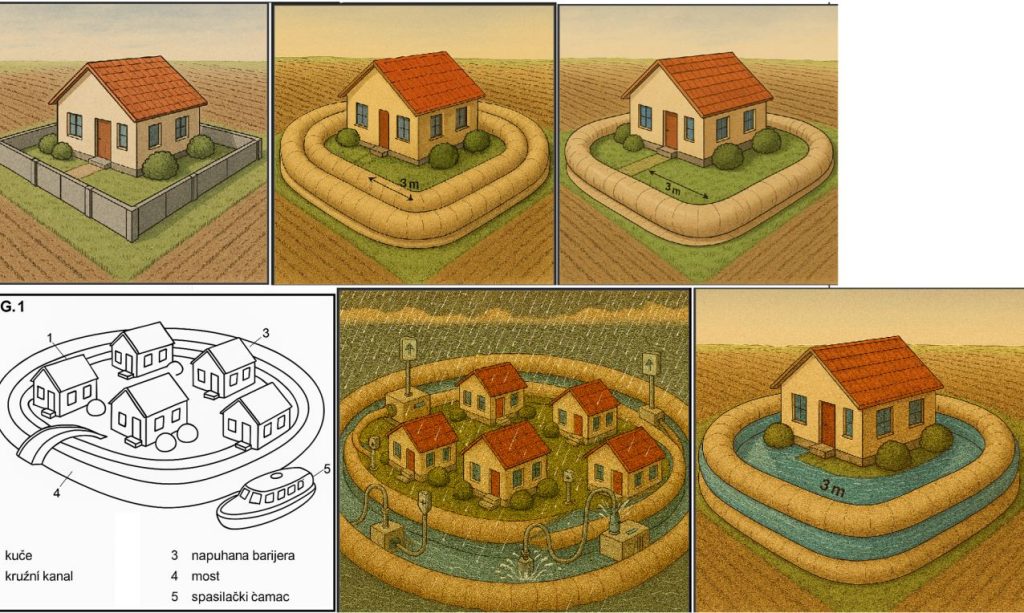
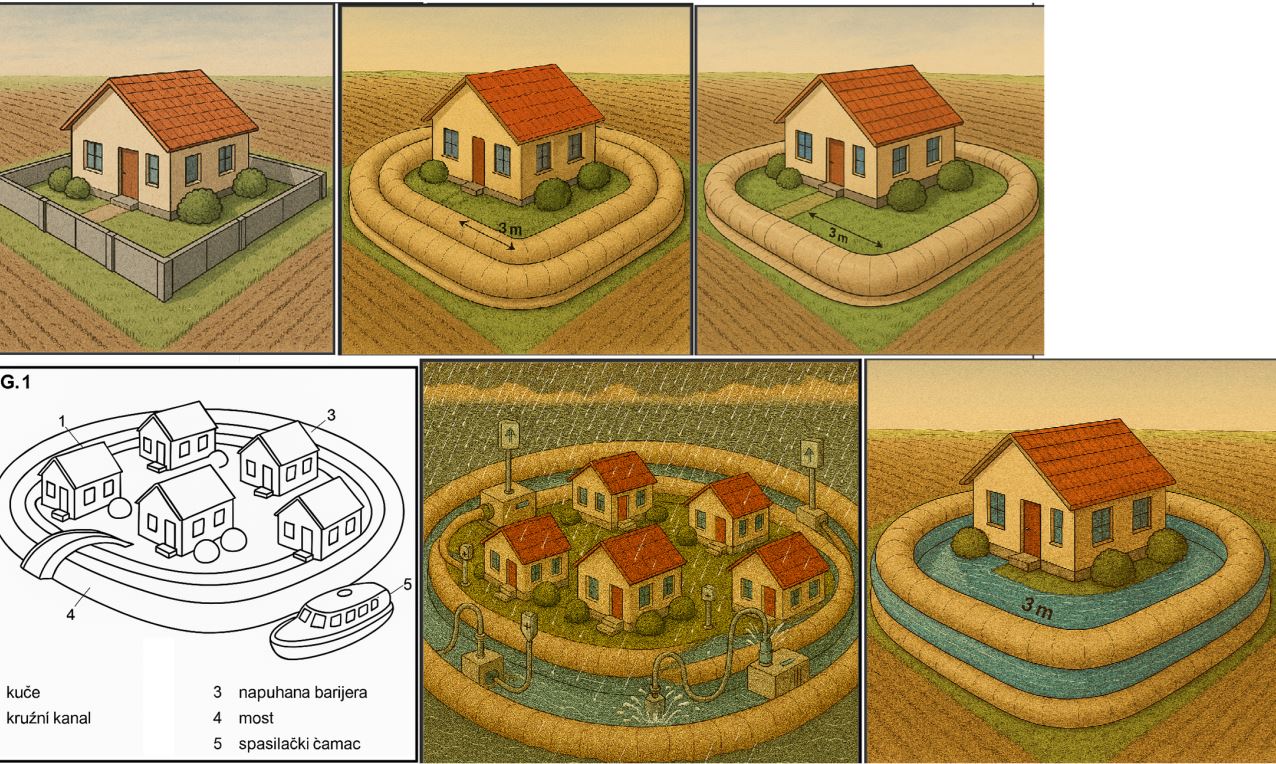
Hodžić says he has been involved in innovation since childhood and that his main interests are focused on energy, ecology, and space research. So far, he has filed around fifteen patents, some of which have also received international recognition. He has also developed patents in the field of flood protection systems, as well as a drone for extinguishing forest fires.
For the further development of the project, Hodžić says it is now necessary to secure minimal financial resources to produce a prototype mini power plant and test it in practice, for example, in one municipality or local community, with the aim of assessing its concrete effects.
– I plan to apply for support from the competent institutions, including relevant ministries in the Federation of Bosnia and Herzegovina, in order to obtain funds for the implementation of a pilot project that could contribute to reducing air pollution in Sarajevo and improving energy generation at the local level – Hodžić states.
He emphasizes that the use of renewable energy sources must be accompanied by additional research, especially in the field of energy storage, so that energy can also be used during periods without sun or wind.
– I am focused on very soon replicating the cycle as it renews itself in nature. Energy is everywhere around us; some of it is merely at rest, which is why we call it potential energy, and we need to set it in motion or force it to transform from one form into another so that we can use it – Hodžić concludes.
Prepared by Jasna Dragojević
The story was published in Energy portal Magazine CLEAN ENERGY