


Luxor Solar Responds to Market Needs with a Clearer Portfolio
Share
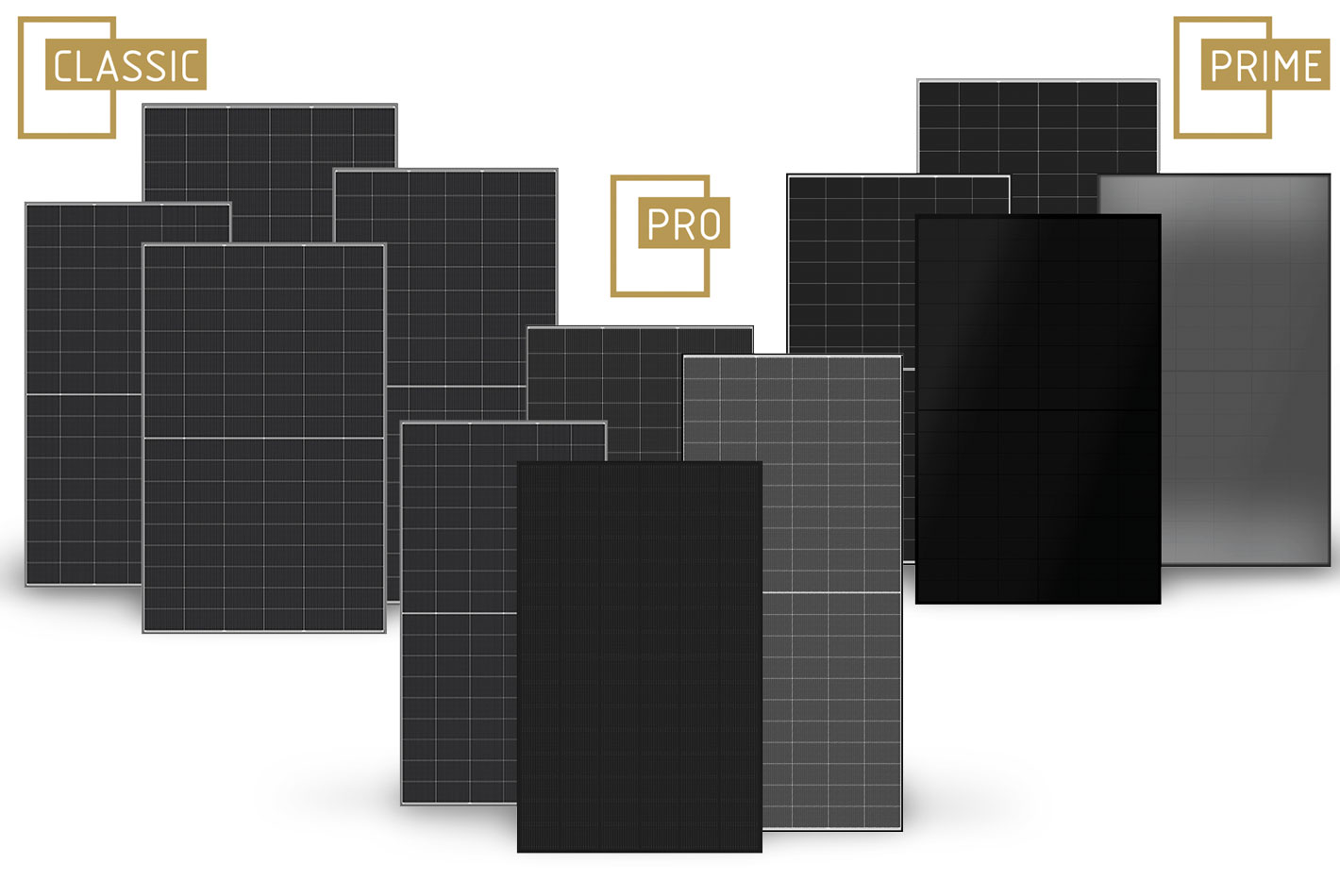
The European solar market has undergone major changes in recent years. Financial pressures, falling module prices, competition from Asia, and growing demand for renewable energy sources have changed the way investors choose equipment. In such an environment, German manufacturer Luxor Solar has reorganized its portfolio into three clearly defined segments — ECO LINE Classic, ECO LINE Pro, and ECO LINE Prime.
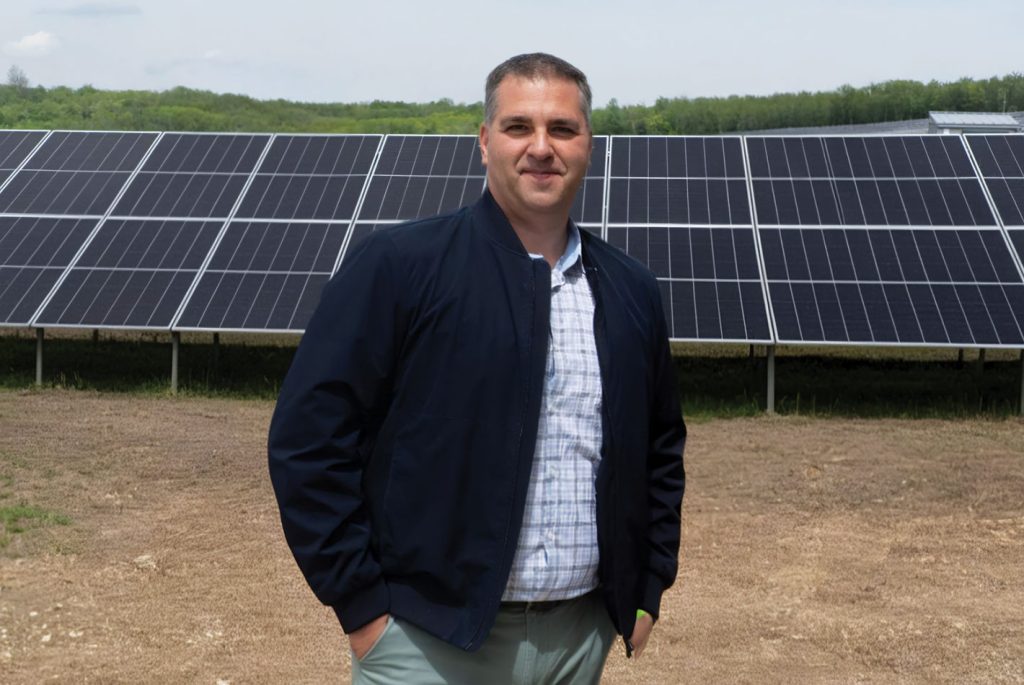
The reasons behind this change, the state of the market, and the direction the solar industry is taking were discussed by Nino Sijerić, the company’s Business Development Manager.
As he explains, the aim of the new segmentation was not merely to change product names, but to achieve clearer positioning in relation to market needs.
– We noticed that there are three most common profiles of needs. One is investment optimization, meaning the best possible price and a cost-efficient model. The second is longevity and security, while the third is the highest yield per square meter. We felt that our portfolio may not have been segmented clearly enough, which meant that people could not immediately recognize where they fit, so we wanted to simplify that – says Sijerić.
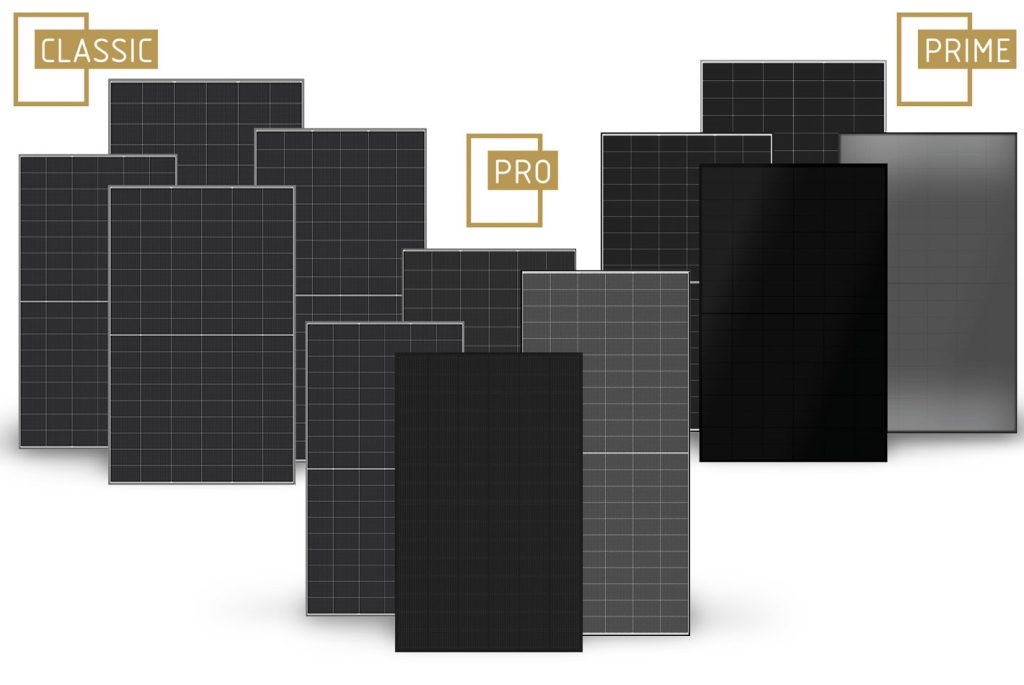
Thus, ECO LINE Classic is intended for projects where the initial investment and a competitive price are key; ECO LINE Pro focuses on longevity and mechanical durability, while ECO LINE Prime has been developed for maximum efficiency and uses back-contact technology.
IN FOCUS:
- When a Building Begins to Understand Itself
- Fighting Drought with Sunshine: How Solar Power Plants Take Over When Rivers Run Dry
- More Trading, More Flexibility – MEMO’s New Direction
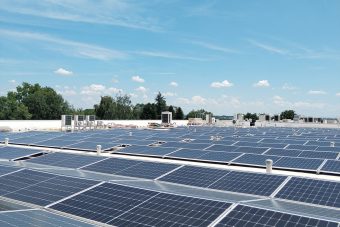
This division comes at a time when the solar sector is no longer a homogeneous market. While only a few years ago almost all investors primarily looked for the lowest price, today their needs differ significantly. Commercial facilities seek an optimal balance between power and available space. At the same time, investors in large solar parks pay particular attention to the long-term reliability of equipment and the possibility of financing projects under more favorable conditions.
– Classic and Pro use TOPCon technology, while Prime is based on back-contact technology. That is the main difference, the interviewee states.
Along with the new segmentation, the approach to warranties has also changed. According to Sijerić, the company has adapted its offer to market circumstances.
– We realized that competitors in this segment generally offer a 15-year product warranty, which is why Classic, as one of our segments, is positioned similarly. But our Pro remains the product we are recognized for — with a 30-year product warranty and a 30-year performance warranty. In doing so, we also wanted to show why people ultimately pay more for Luxor – explains Sijerić.
The issue of warranties has, in recent years, become a key factor in equipment selection. Since solar power plants are investments planned for two to three decades, investors are increasingly assessing not only the technical characteristics of modules but also the manufacturer’s financial stability, the availability of service support, and legal certainty in the event of claims. This is why a warranty today represents much more than a marketing tool – it is becoming an indicator of a manufacturer’s confidence in its own product.’
There are also differences in module performance. According to him, Classic currently reaches a power output of around 620 W, Pro 630 W, while Prime, with back-contact technology, reaches 655 W, with further efficiency gains expected.
Prepared by Milica Vučković
The story was published in Energy portal Magazine SUSTAINABLE ARCHITECTURE