


Newsletter Subscribe
Enter your email address below and subscribe to our newsletter



Everyone is exposed to mercury at some level – whether through the food we eat, the air we breathe or the cosmetics that we use. Inhalation or ingestion of large amounts of mercury, however, can lead to serious neurological health…
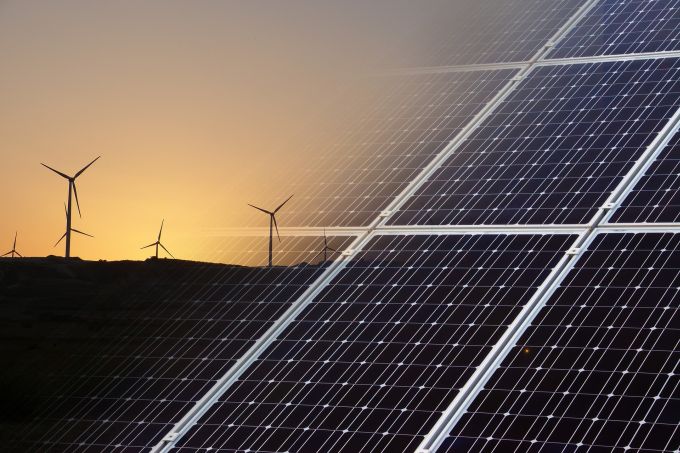
Director Lorkowski delivered opening remarks at the Energy Summit in Neum this week. In his speech, he underlined that the current global energy crisis strengthened the case for a rapid energy transition and presented an additional reason for Bosnia and…

Every year, at 8:30 pm on the last Saturday of March, millions of people across the world show their support for our planet, raising awareness of nature loss and climate change—the two biggest threats facing our shared planet. But this…

Within the next five years, everyone on Earth should be protected by early warning systems against increasingly extreme weather and climate change, according to an ambitious new United Nations target announced today. UN Secretary-General António Guterres has tasked the World…

A decarbonisation strategy can bring benefits to the Central America region at the same or lower energy system costs than the current planning strategy, according to a new report by the International Renewable Energy Agency (IRENA). The report finds the…

As science reveals more and more links between air pollution and the effects of COVID-19, the pressure is mounting on the European Commission to set high ambitions in the upcoming revision of the EU’s Air Quality Directive. It is no…
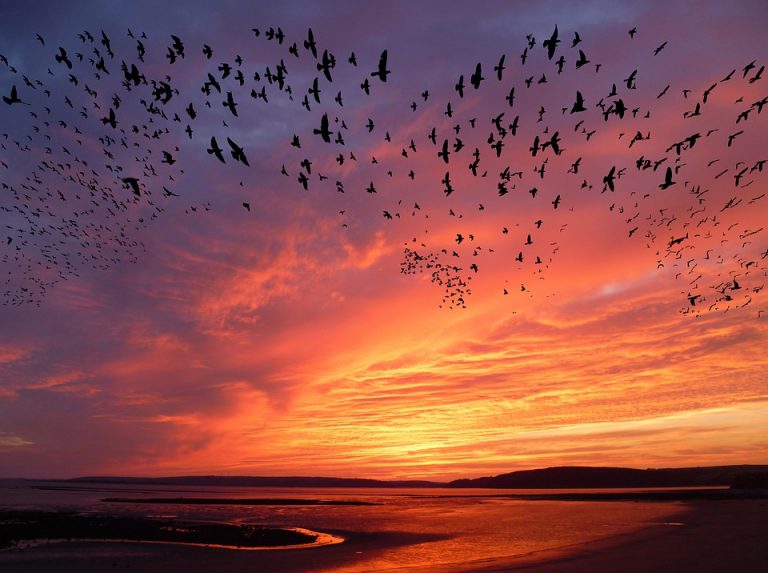
A mass extinction is a short period of geological time in which a high percentage of biodiversity, or distinct species—bacteria, fungi, plants, mammals, birds, reptiles, amphibians, fish, invertebrates—dies out. In this definition, it’s important to note that, in geological time, a…