


Newsletter Subscribe
Enter your email address below and subscribe to our newsletter


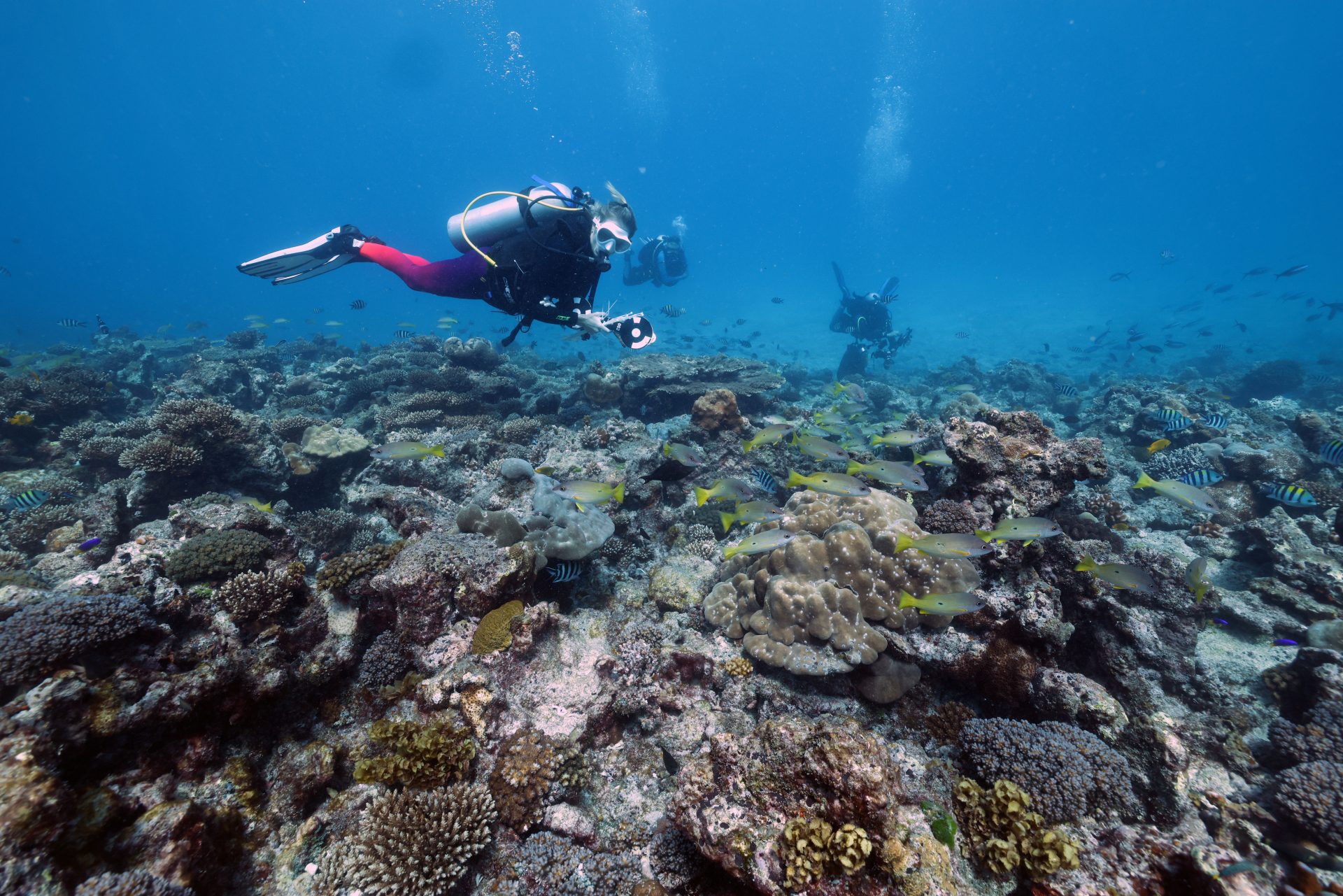
The first land-based coral spawning laboratory in Africa and the western Indian Ocean has begun operations and has already recorded its first spawning event, opening new possibilities in the fight against coral reef degradation. The project is the result of a partnership between Canon EMEA, Coral Spawning International (CSI), and Nature Seychelles (NS). The laboratory is located on Praslin Island as part of Nature Seychelles’ Assisted Recovery of Corals (ARC) facility.
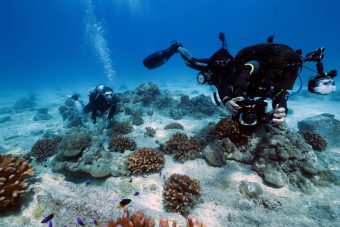
The project is based on a pioneering approach involving the controlled sexual reproduction of corals, representing a major step forward in the restoration and protection of reefs threatened by climate change. Since becoming operational in November 2025, the laboratory has produced approximately 800,000 coral embryos from 14 colonies of the species Acropora tenuis cf. macrostoma. Initial results show the successful settlement of around 65,000 new corals, highlighting the potential to increase the genetic diversity and thermal resilience of Seychelles’ reefs.
This achievement goes beyond traditional coral gardening techniques, which typically produce genetically identical corals, leaving reefs more vulnerable to events such as coral bleaching. With Canon’s investment and advanced imaging equipment, the laboratory can observe and document natural coral spawning events in ways that were previously impossible.
These tools are essential for building a genetically diverse bank of resilient coral species and provide researchers with invaluable data on reproductive timing and the early growth and survival of corals.
Dr Jamie Craggs, marine scientist and co-founder of Coral Spawning International, highlighted the scientific value of the project. According to him, Canon’s imaging technology has been crucial in enabling researchers to observe critical reproductive processes with a level of clarity previously only imagined. The systems were designed to facilitate predictable spawning, accelerate learning, and provide unprecedented insight into coral reproduction in the Seychelles.
Canon’s support for this initiative is part of the company’s broader commitment to environmental protection and to using imaging technology, from cameras to satellites, to advance conservation efforts. Healthy coral reefs are vital for tourism, fisheries, coastal protection, and biodiversity, while restoring these ecosystems contributes to a more sustainable future.
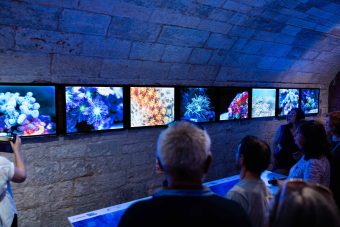
The same technology and partnership have also been showcased through the “Tropical Coral Reef” exhibition at Aquarium Pula as part of Canon’s global World Unseen initiative. The permanent Tropical Coral Reef exhibition at Aquarium Pula features three large tanks with a total volume of 65 cubic metres, presenting the diversity of tropical coral reefs through the colors, shapes, and complex relationships of marine organisms. In the coral nursery area, visitors can observe the growth and development of corals under controlled conditions. Although coral reefs are home to almost 25 percent of all marine species, they are now under severe threat from climate change, pollution, and other environmental pressures.
Commenting on the use of Canon technologies in the project, Angelina Vučković, B2B Business Director for the Adria region at Canon, emphasized that the project demonstrates how technology can help address real environmental challenges and encourage wider communities to recognize the importance of protecting marine ecosystems.
“As part of the World Unseen project exhibitions, we also used our Colorado printers to produce textured prints and Braille signage for visually impaired visitors, as well as large-format graphics. It is especially meaningful to us that our technology is finding applications beyond its traditional business role and is becoming a tool that serves science, education, and inclusion,” said Vučković.