

Newsletter Subscribe
Enter your email address below and subscribe to our newsletter

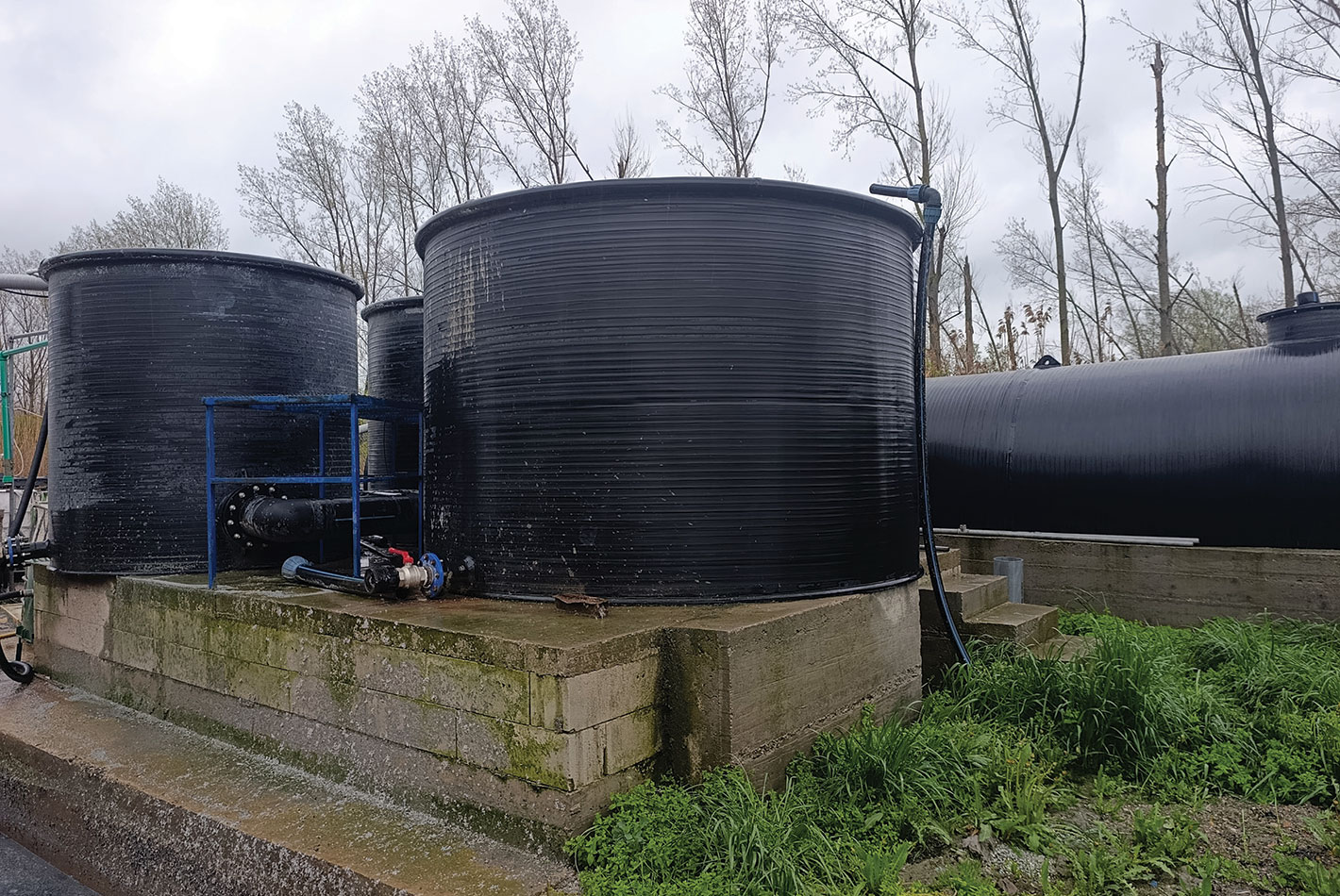
Although Vojvodina is not geographically located in the very heart of Serbia, its plains have long been one of the most important pillars of domestic agricultural production. It is precisely in these fields, where each season is measured by yields, that increasing attention is being paid to a broader context – how to make agriculture more sustainable. In a time of climate change and growing pollution, this sector is both heavily affected by these changes and a key link in their evolution.
RKS Kompoziti d.o.o., a company founded in 2009 in Čelarevo, began as a small enterprise that developed technological solutions for the treatment and reuse of plastic waste from the local carpet, PVC flooring, and jumbo bag industries. The developed technology has enabled the reuse of these materials in various production processes by producing regranulates and compounds, which are applied across multiple industrial sectors.
A few years ago, a group of large agricultural producers from the area approached the company with a request to assist in managing plastic pipes used for drip irrigation, which are generated during vegetable harvesting. Based on its prior experience and recognition of the importance of this issue, the company decided to take on the challenge. Vladimir Knežević, an electrical engineer and the company’s director, spoke about this for our magazine.
The company soon adapted part of its equipment to process this specific type of waste and produce regranulate – a recycled plastic raw material used for manufacturing new pipes, wastewater separators, and other HDPE-based products.
As technology advanced and capacity increased, the company also worked to educate its clients on the expanded use of regranulates in production. This allowed it to extend its operations to other parts of Serbia and achieve continuous growth in processing, with plans to reach approximately 500 tons annually.
– Our partners had been producing separators from virgin granulate for years, and our role was to provide advisory support in adapting their processes so they could use recycled materials. This cooperation also helped us improve quality and reach the point where certain products can be made from 100 percent recycled material, contributing to the protection of watercourses, says Knežević.
Agricultural waste, particularly drip irrigation pipes, poses a challenge due to its large volume and low mass, complicating transport and disposal. In practice, this material is still sometimes burned in fields after harvest, further polluting the air and soil.
According to our interlocutor, the recycling process is complex, primarily due to soil contamination from the plastic and the high water consumption required during the washing phase. As an abrasive material, soil additionally accelerates equipment wear, significantly increasing costs.
Today, the company places special focus on educating farmers to better prepare waste for transport and processing, and on expanding its collection and treatment capacity.
Prepared by Katarina Vuinac
The story was published in Energy portal Magazine ECOMOBILITY