



Newsletter Subscribe
Enter your email address below and subscribe to our newsletter



The International Ski and Snowboard Federation (FIS) and the World Meteorological Organization (WMO) have announced a new partnership to raise awareness of the fact that winter sports and tourism face a bleak future because of climate change. A new Memorandum…

In June 1972, dozens of countries convened in Stockholm, Sweden, for the United Nations Conference on the Human Environment, the first global gathering on the environment. Among the largest delegations was Belgium, with more than 40 representatives supporting a historic…

For thousands of years, during a period of climate stability and resilience of the Earth’s system, humanity has been able to advance in technological and cultural development. A report published by scientists from the Potsdam Institute for Climate Impact Research…
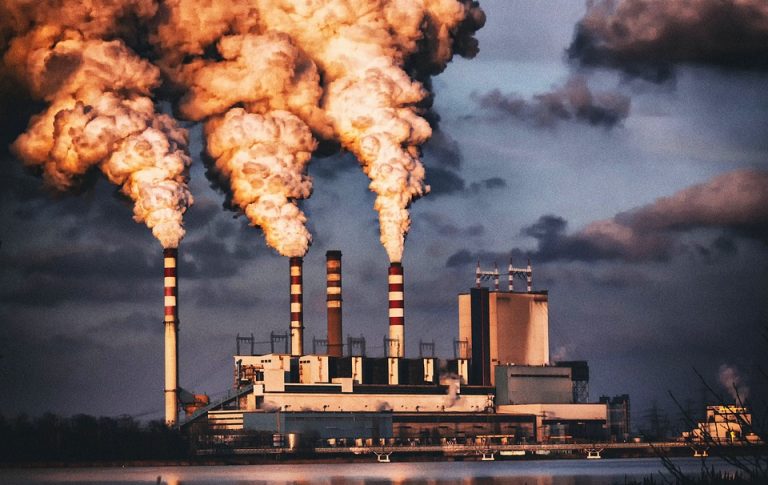
Climate change caused by human activities has led to widespread and rapid changes in the atmosphere, oceans, cryosphere, and biosphere. Its consequences and dangerous weather conditions are undoing developmental achievements and threatening the well-being of people and the planet, according…

The textile industry produces materials used in everyday life, and the modern world demands mass production of these materials. Although textiles offer many advantages, it is less known that many products contain harmful chemicals that can have serious negative consequences…
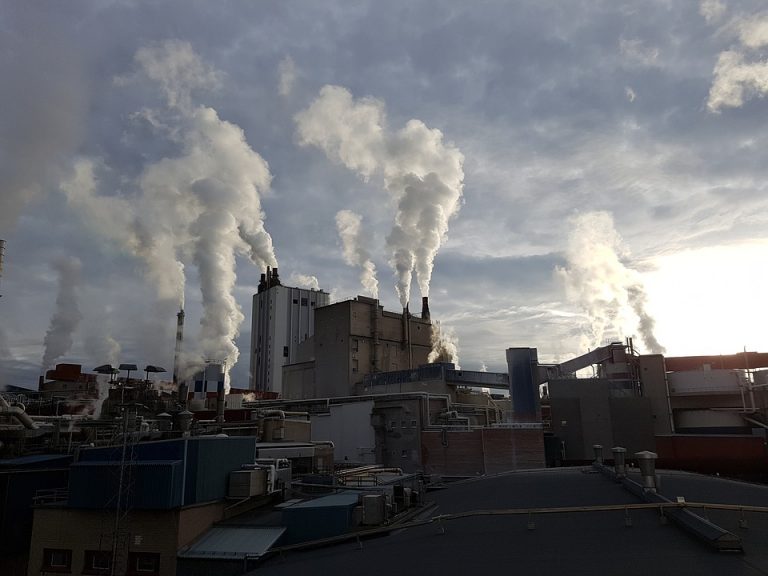
Scientists from McGill University, one of the oldest in Canada, have discovered how to harness sunlight to transform two harmful gases, methane and carbon dioxide, into useful chemicals. In a way, this process could be considered a form of recycling…

On 8 December 2023, the United Nations General Assembly, in its seventy-eighth session, unanimously adopted resolution 78/122 “World Cleanup Day”, which proclaims 20 September as World Cleanup Day. The resolution invites all Member States, organizations of the United Nations system,…