




Newsletter Subscribe
Enter your email address below and subscribe to our newsletter


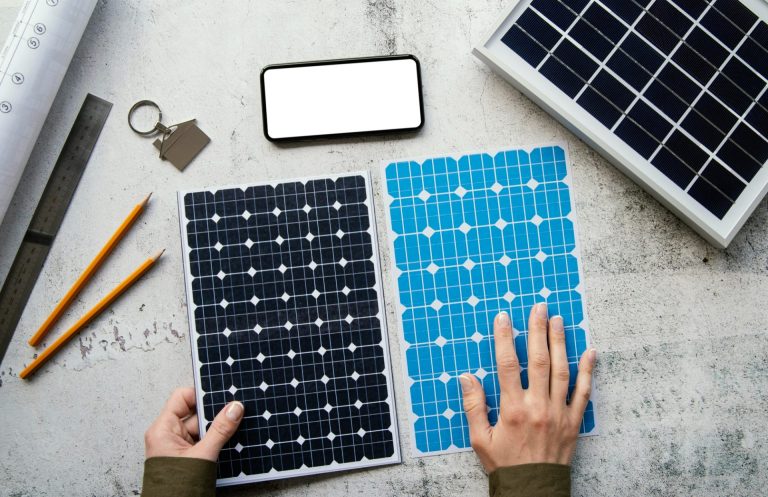
To meet the climate targets set for 2030, a green transformation of nearly all economic sectors is essential. This ambitious goal will not be achievable without a sufficient number of skilled workers capable of addressing the challenges of the energy…
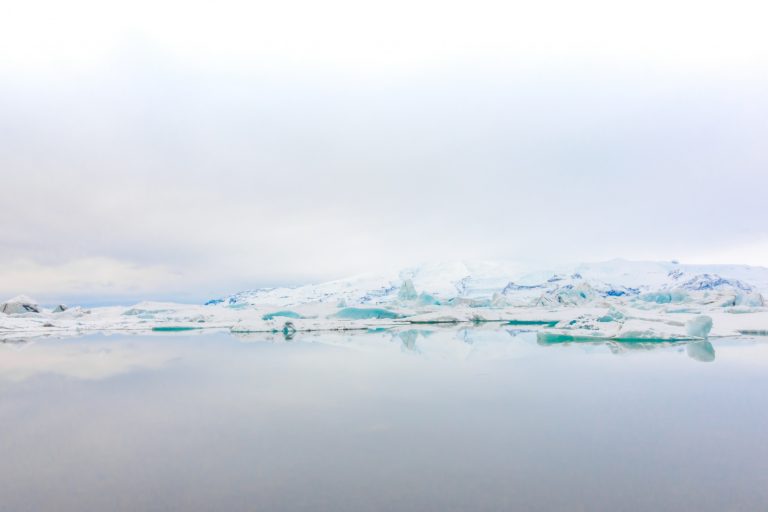
Global warming is causing numerous negative consequences for ecosystems, particularly affecting icy regions in the Northern Hemisphere. While melting ice caps destroy natural habitats for biodiversity in these areas, the thawing of permafrost poses a threat to living beings worldwide…

In October 2022, the Council of the European Union approved the EU Common Charger Directive. Following this decision, a transitional period was introduced, allowing manufacturers to adjust their designs. Two days ago, the official implementation of the rules began for…

The Baltic Sea is an ecosystem that has undergone significant changes due to human activities, jeopardizing its functionality and biological balance. Among the most severe negative impacts are eutrophication, pollution, climate change, and overexploitation of resources. Researchers from the GEOMAR…

The European Commission has published updated environmental standards aimed at reducing the impact of industrial facilities, including forges and foundries, on the environment. These changes are part of the Industrial Emissions Directive, a cornerstone of the EU’s broader plan to…

Air pollution poses a serious threat to human health, with persistently high pollution levels remaining a concern despite efforts by countries to reduce it. This was reaffirmed by the latest assessment from the European Environment Agency. Citizens of European Union…
The United Nations Climate Change Conference concluded in Baku, with significant agreements reached in its final days regarding climate change, water resources, emissions, and financing. The COP29 Presidency launched the Declaration on Reducing Methane Emissions from Organic Waste, supported by…