Newsletter Subscribe
Enter your email address below and subscribe to our newsletter


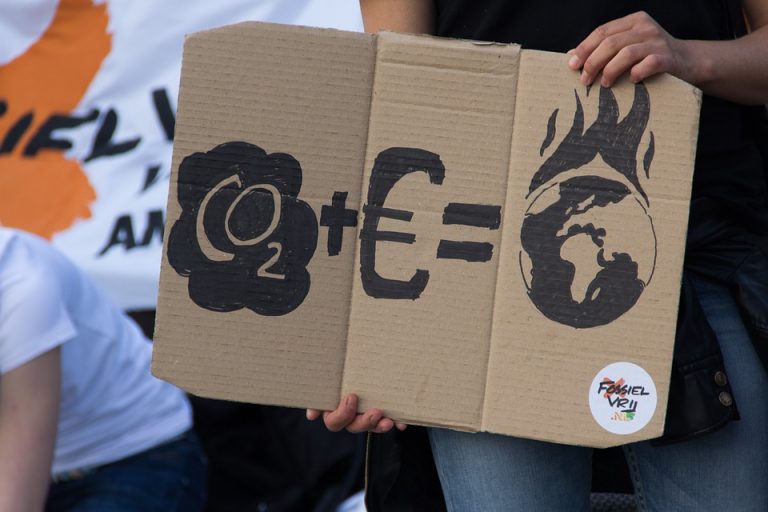
Pupils from around the UK went “on strike” on Friday as part of a global campaign for action on climate change. Students around the country walked out of schools to call on the government to declare a climate emergency and…

As cites grow and put more pressure on water sources, scarcity is an increasingly important issue. More than two thirds of the world’s population experience a water shortage every year. Just because water continues to reach your tap does not…
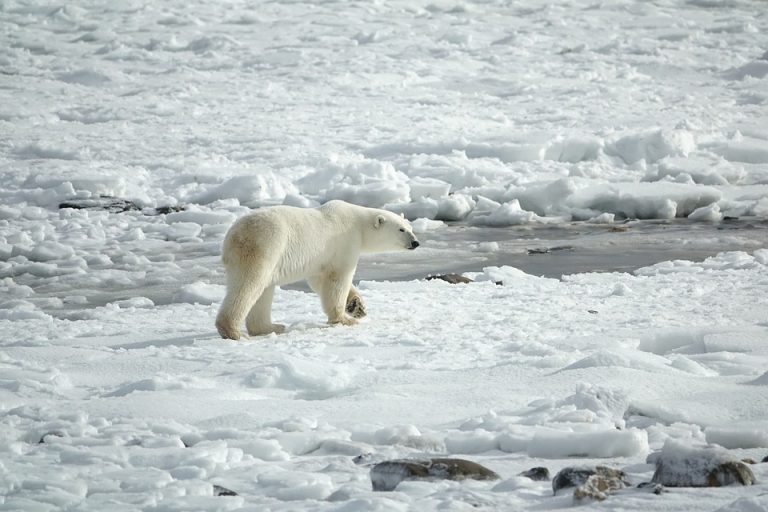
The Russian military is taking measures to protect the residents of a remote Arctic settlement from a mass of polar bears, German press agency DPA reported. The move comes after regional authorities declared a state of emergency over the weekend…
The European Commission has announced an investment worth €116 million (£102m) to support 12 large-scale environmental and climate projects. They are being funded under the LIFE programme for the Environment and Climate Change, which has a budget of €3.4 billion…
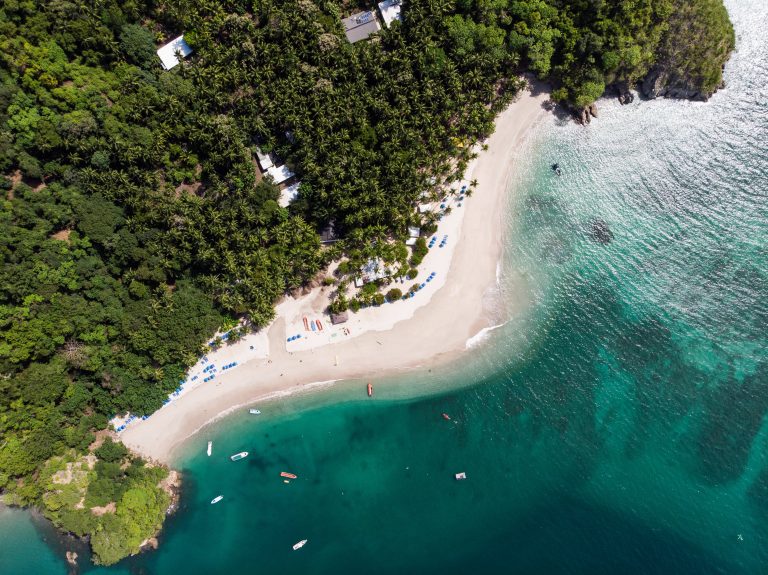
Costa Rica is getting something right. The Central American country of stunning beaches, rainforests, and biodiversity, is also known for its stable democracy and educated population. Its president, Carlos Alvarado Quesada, said at Davos 2019: “Seventy years ago, Costa Rica…
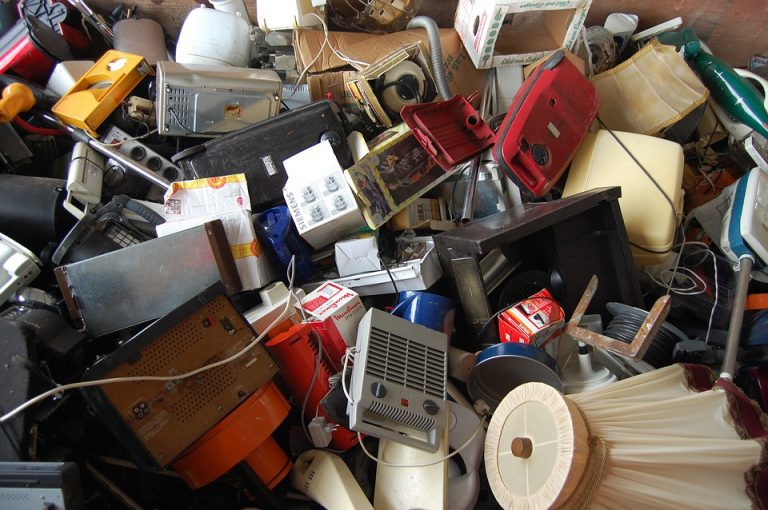
More than 44 million tonnes of electronic and electrical waste (e-waste) was produced globally in 2017, with a majority being sent to landfill. That’s more than six kilograms for every person on the planet and equivalent to all the commercial…
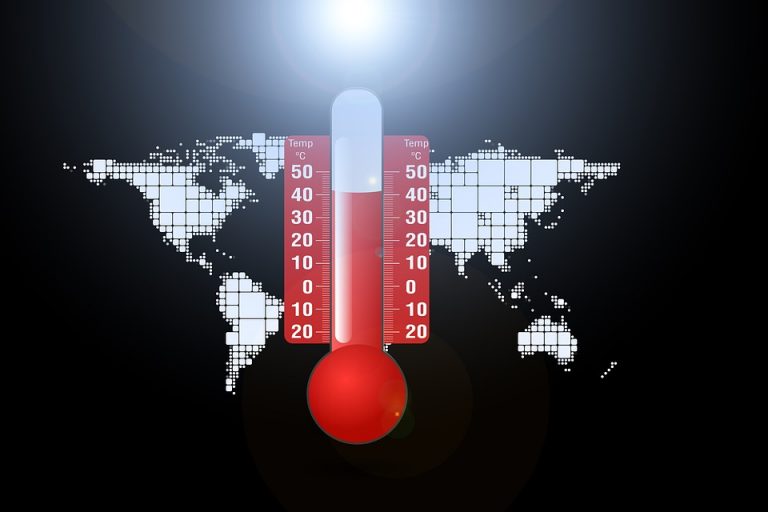
Climate change is seen as the biggest international threat facing many nations, according to a 26-country survey released by the Pew Research Center on Sunday. Thirteen of the countries surveyed listed global warming as their top security concern. Other major…