


Newsletter Subscribe
Enter your email address below and subscribe to our newsletter


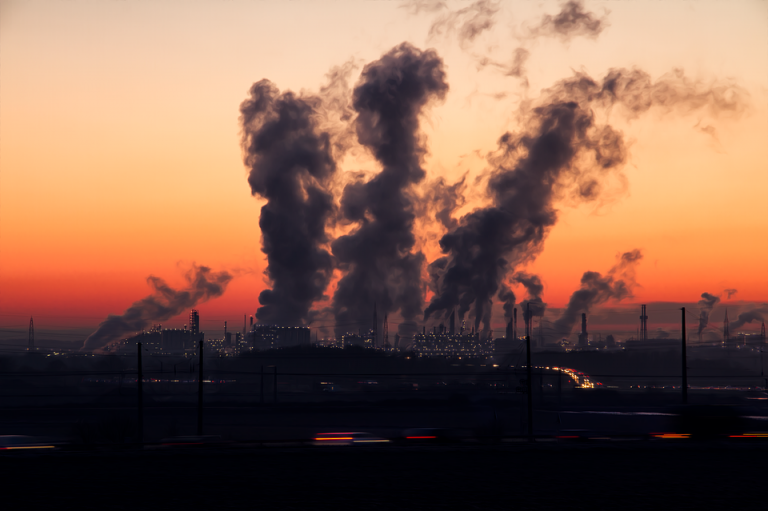
In a summer marked by air quality alerts as wildfires rage in the western U.S., a study has been published finding that air pollution lowers the average lifespan by one year worldwide. The study, published in Environmental Science and Technology…
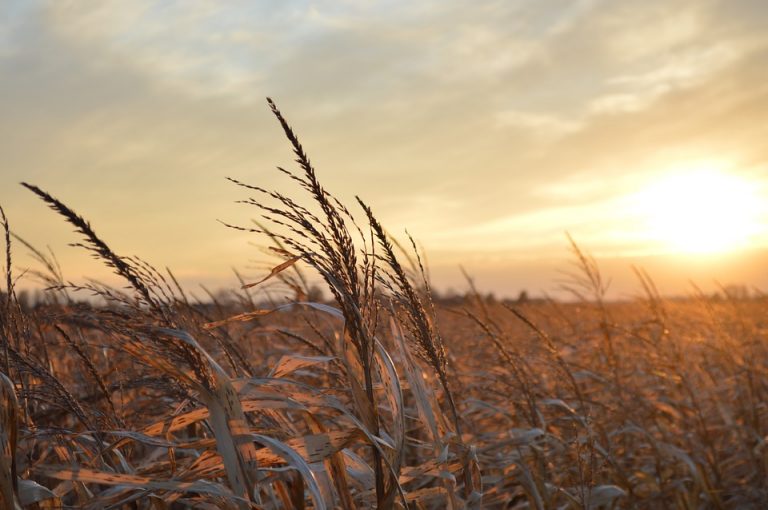
Increasing carbon dioxide concentrations will threaten crops and levels of human nutrition around the world. That’s according to researchers from the Harvard Chan School, which examined the impact of the gas on iron, protein and zinc levels in 225 different…
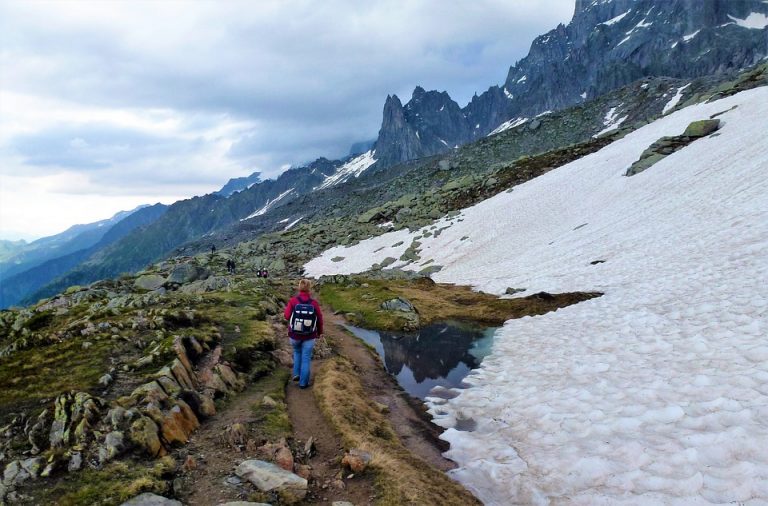
For the tourists thronging the streets and pavement cafes of Chamonix, the neck-craning view of Mont Blanc, the highest mountain in the Alps, is as dazzling as ever. But the mountaineers who climb among the snowy peaks know that it…
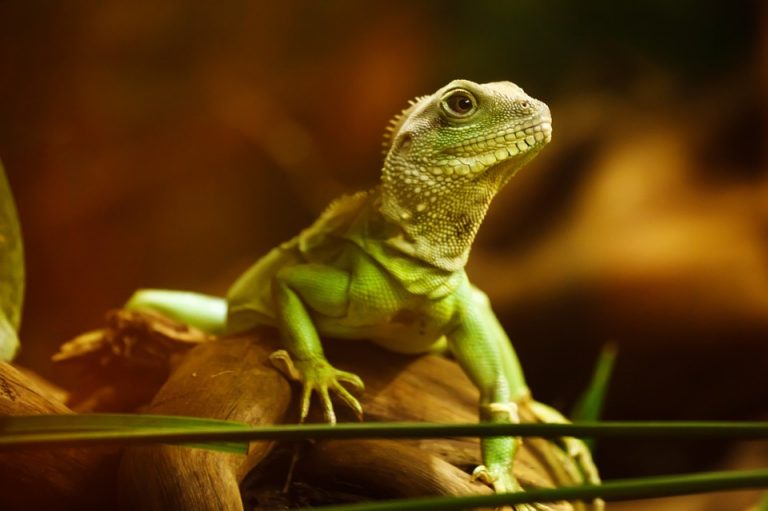
With imports of Fish and Wildlife-regulated reptiles exceeding one million individuals each year, it is no surprise that many of these animals are finding their way into the wild, where they are threatening natural ecosystems. Exotic pets can be extremely…
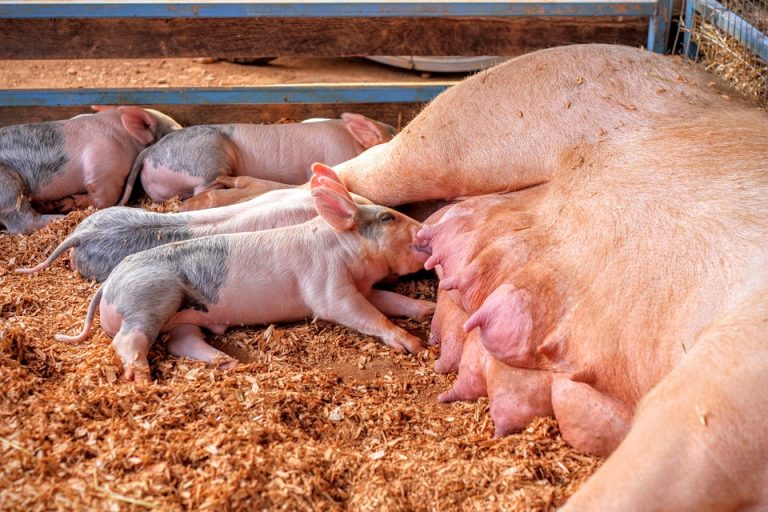
Environmentalists are alarmed by recent data that reveals Spain’s pig population now outnumbers its human one by 3.5 million. This is the first time the number of pigs in Spain has exceeded that of humans, and the discrepancy is adding…
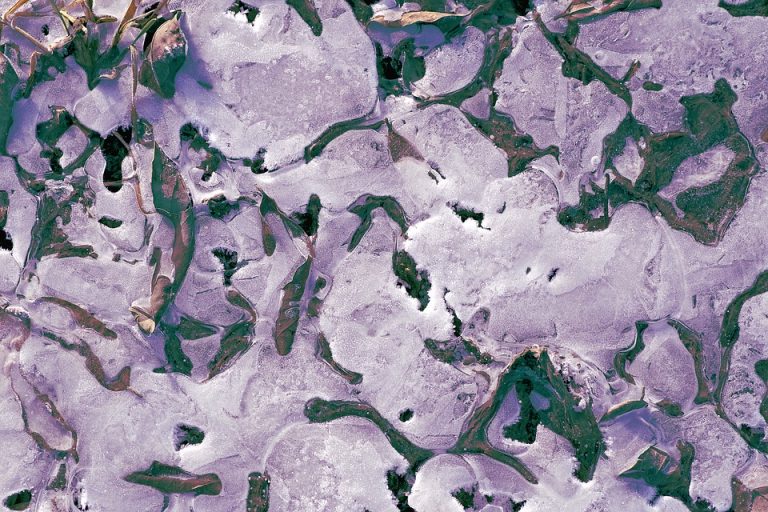
Scientists may need to more than double their assessment of how much carbon dioxide and methane thawing Arctic permafrost will release into the atmosphere this century, according to a study published this month. The paper, published in Nature Communications Aug.…
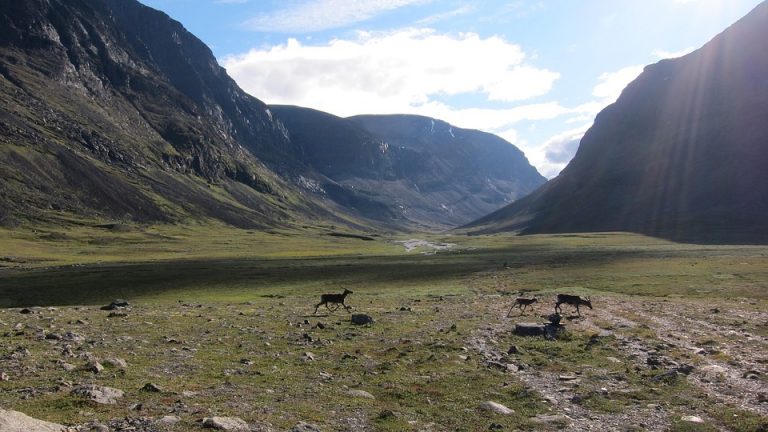
Sweden’s indigenous Sami reindeer herders are demanding state aid to help them cope with the impact of this summer’s unprecedented drought and wildfires, saying their future is at risk as global warming changes the environment in the far north. The…