





Ecology
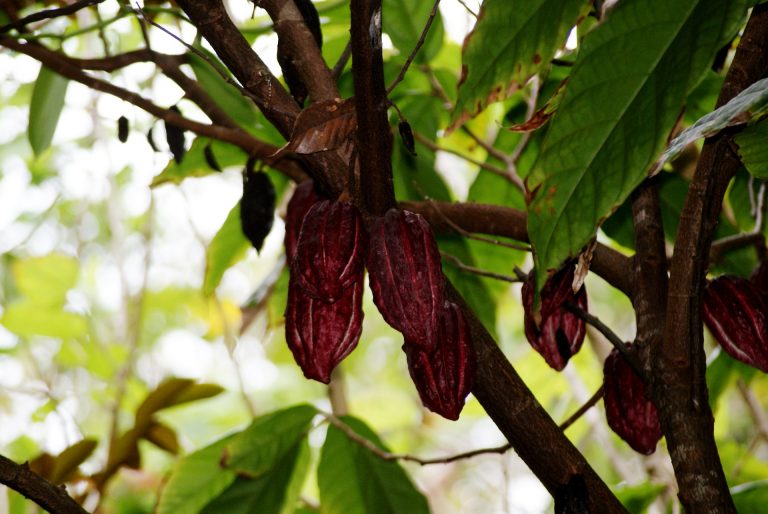
Ivory Coast Law Could See Chocolate Industry ‘Wipe Out’ Protected Forests
The Ivory Coast’s dwindling rainforests could be “wiped out” under a new law that will see legal protections removed from thousands of square miles of classified forest and unprecedented power handed to industrial chocolate manufacturers. Civil society groups, environmental campaigners…

Little Progress Made in Tackling Air Pollution in Europe, Research Says
Little progress has been made on tackling air quality in Europe, new research shows, despite public outcry in many countries and increasing awareness of the health impacts of pollution. Levels of the dangerous fine particulate matter known as PM2.5, which…
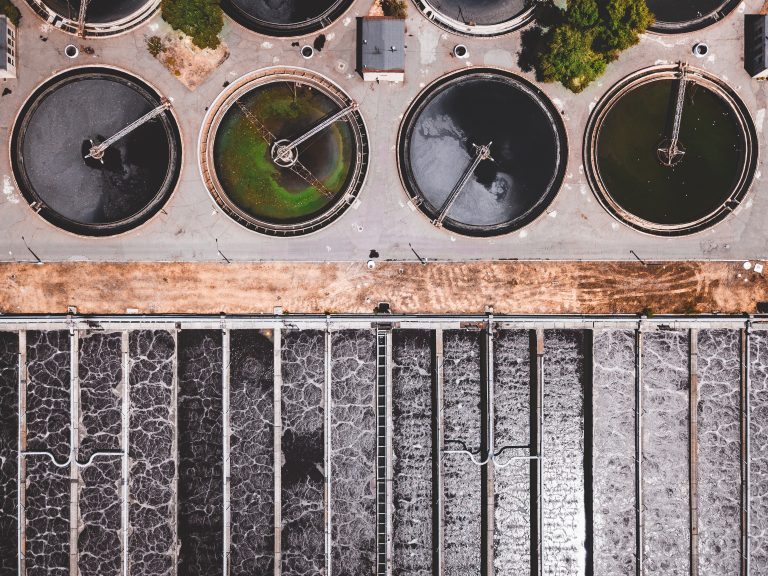
New Challenges Facing Europe’s Waste Water Treatment Plants Present Opportunities
More investment is needed to make urban waste water treatment plants fit to meet the difficult challenges posed by the impacts of climate change, as well as the presence of antibiotics and other micro-pollutants in waste water, according to a…
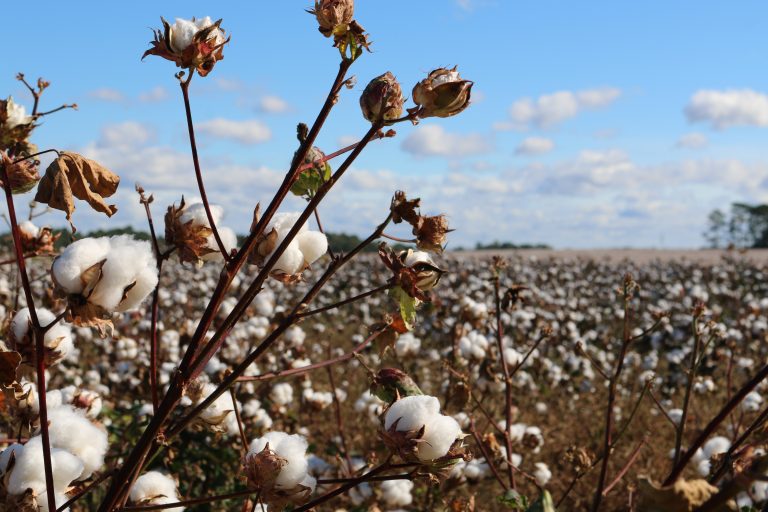
Cotton Sustainability Is Key for Rural Development
Managing trade policy and climate risks are critical to supporting the more than 25 million farmers who grow cotton, experts gathered here emphasized. “Cotton represents so much more than just a commodity: It is a culture, a way of life,…
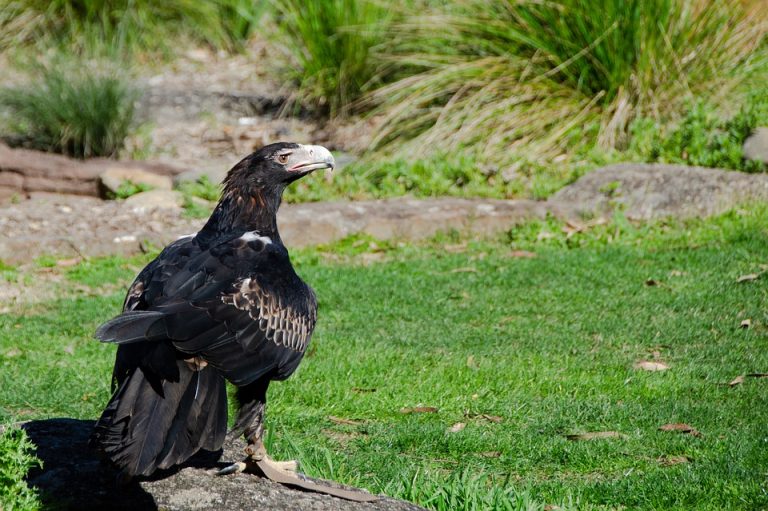
Insecticide Blamed for the Deaths of 200 Native Birds in Australia
An insecticide is likely to be behind the deaths of almost 200 native birds in northeast Victoria, environment officials believe. After dead wedge-tailed eagles were found near Violet Town in August the state’s environment department found more – along with…
Food Price Index Holds Steady
Global food prices were steady in September, as lower sugar prices were offset by increased quotations for vegetable oils and meat. The FAO Food Price Index, which tracks monthly changes in the international prices of commonly-traded food commodities, averaged 170…
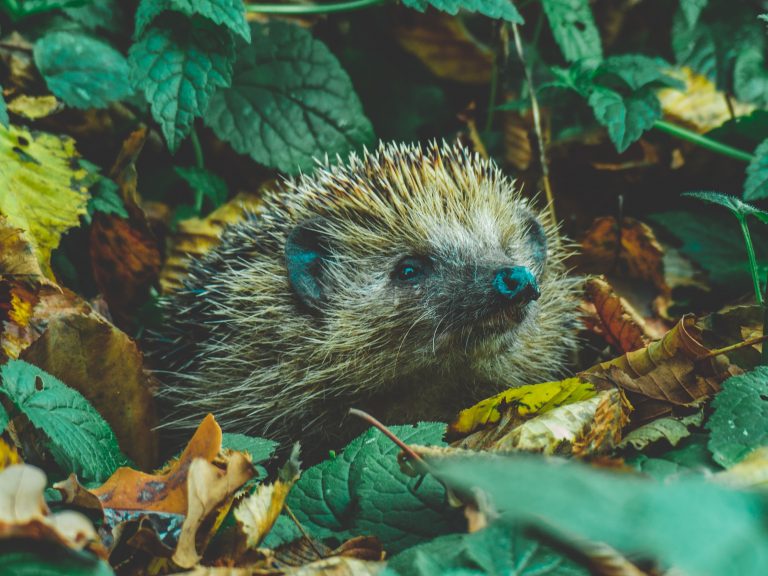
Populations of UK’s Most Important Wildlife Have Plummeted Since 1970
Populations of the UK’s most important wildlife have plummeted by an average of 60% since 1970, according to the most comprehensive analysis to date. The State of Nature report also found that the area inhabited by officially designated “priority species”…