


Newsletter Subscribe
Enter your email address below and subscribe to our newsletter


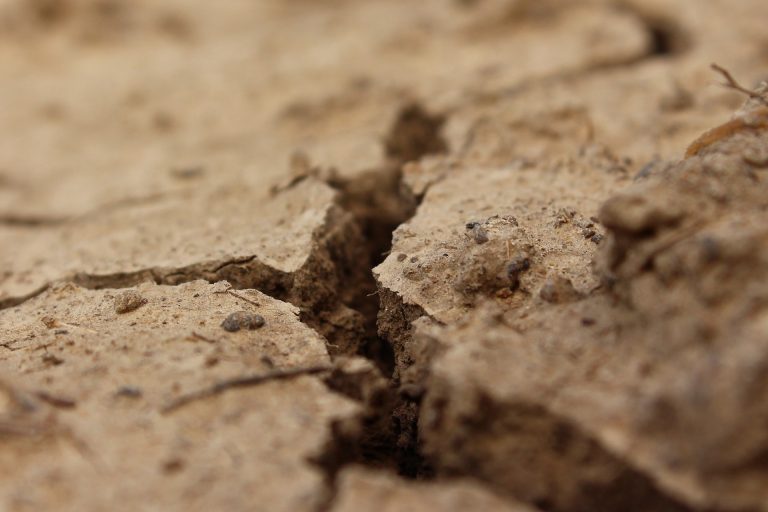
Data from NASA shows the Earth gradually heating up since the late 19th century. Since the year 2000, this trend seems to have accelerated as shown in the visualization of the data released. August 2020 was about 2.14° C hotter…
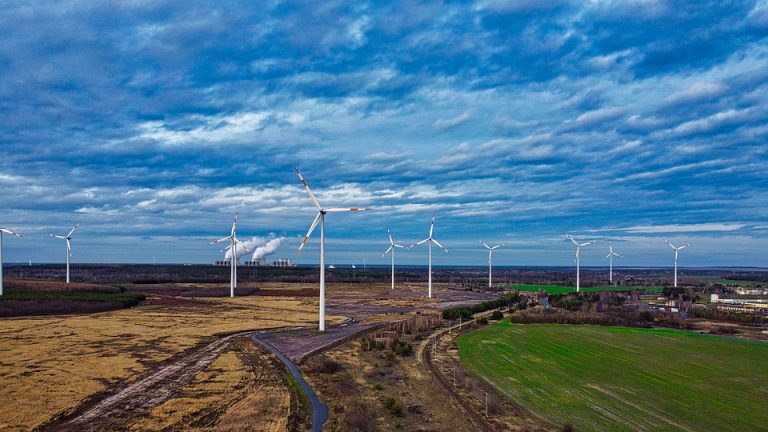
Within ten years, the economies of Central and South Eastern Europe could cover 34 percentage of their rising energy demand cost-effectively with renewables, a new report by the International Renewable Energy Agency (IRENA) finds. The Renewable Energy Roadmap for the…

Nature-based Solutions offer a cost-effective, no-regret solution to reducing disaster risks and contribute to climate change mitigation and adaptation. While still an emerging concept, evidence has shown the benefits of Nature-based Solutions to societies, national economies and ecosystems. They have…
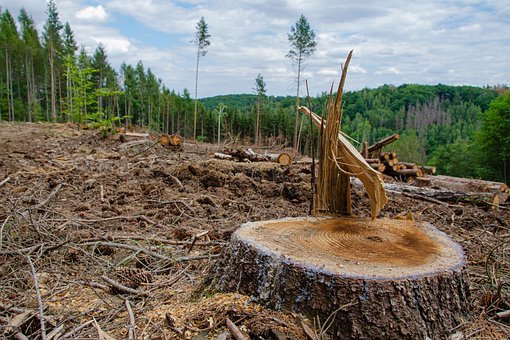
Between 2000 and 2013, Earth lost an area of undisturbed ecosystems roughly the size of Mexico. That’s the mind-melting finding of a new study published in One Earth and the researchers say it has “profound implications” for global biodiversity and…
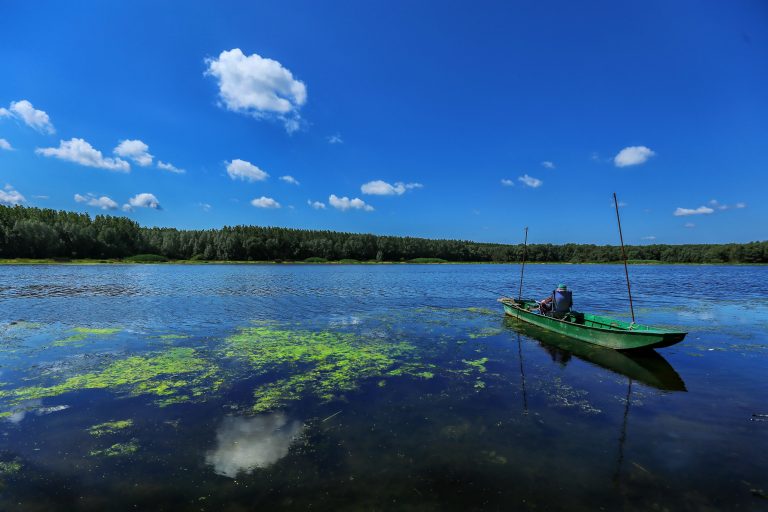
This month, world leaders and experts convened for the UN General Assembly which is culminating in the UN Summit on Biodiversity today. The Summit will emphasise the need to safeguard nature and drive momentum towards the post-2020 Biodiversity Framework. Last…
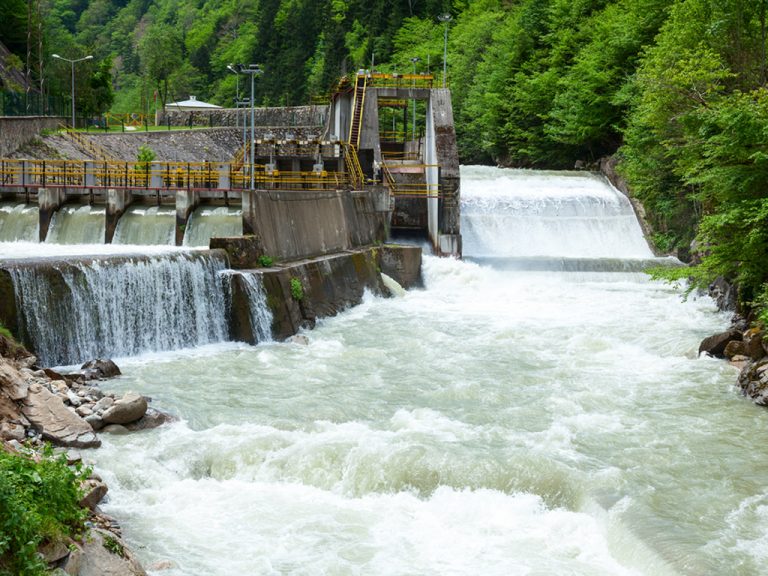
The Energy Community Secretariat supports the announcement made by Albanian Prime Minister Edi Rama to cancel plans for the construction of hydropower plants on the Vjosa river. More: Hydropower Balkans Summit Confrontation: Small Hydropower Plants and Big Issues The…
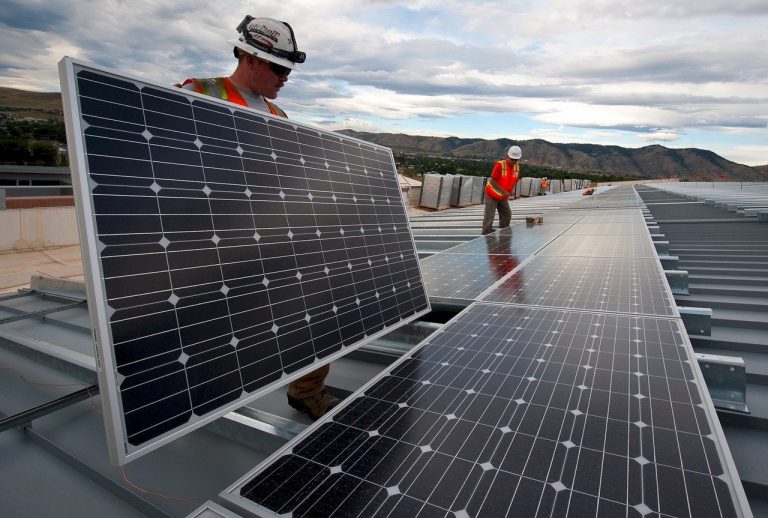
Renewable energy continues to bring socio-economic benefits by creating numerous jobs worldwide, according to the latest figures released by the International Renewable Energy Agency (IRENA) today. The seventh edition of Renewable Energy and Jobs – Annual Review shows that jobs…