


Newsletter Subscribe
Enter your email address below and subscribe to our newsletter
Enter your email address below and subscribe to our newsletter

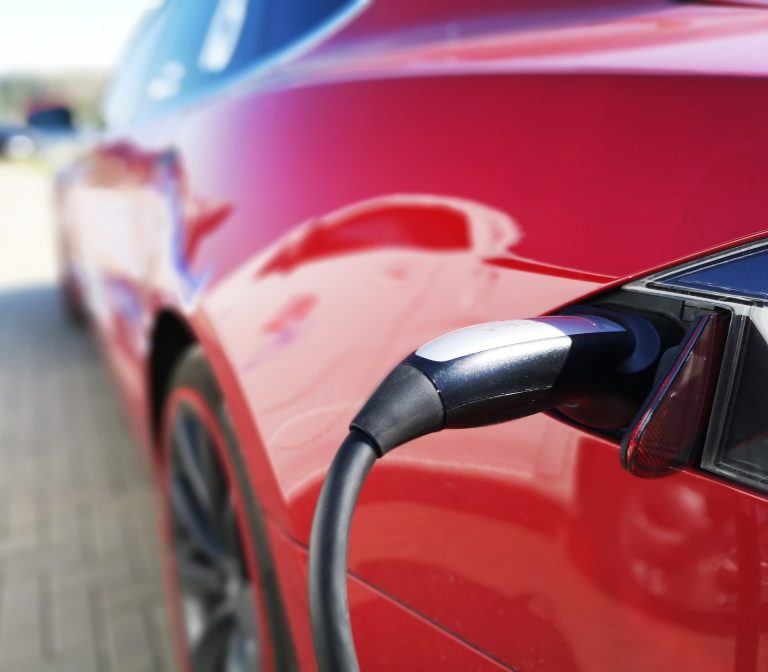
The United States is preparing to assist its auto suppliers in adapting to the transition from gasoline-powered vehicles to electric vehicles. With this goal, the White House has announced the creation of a fund worth up to one billion dollars…

Summer is drawing to a close according to the calendar, but not in terms of the heat, which continues in much of the world. High temperatures have most severely affected large cities in southern regions, and a new scientific study…

Excessive air pollution in certain areas of the United States influences households’ decisions to relocate, but only wealthier families can afford to settle in areas with satisfactory air quality, researchers from Lancaster University reveal. Their study, published in the journal…

Just over a year ago, I lost my aunt—a person very dear to me—to that insidious disease. Since then, I often think about cancer—all those people who fight valiantly despite poor medical prognoses, the arduous and uncertain treatments, and the…

Extreme heat hit hundreds of millions of people throughout July, with a domino effect felt right across society. July was one of the hottest – if not the hottest – month on modern record, and the world’s hottest day was…

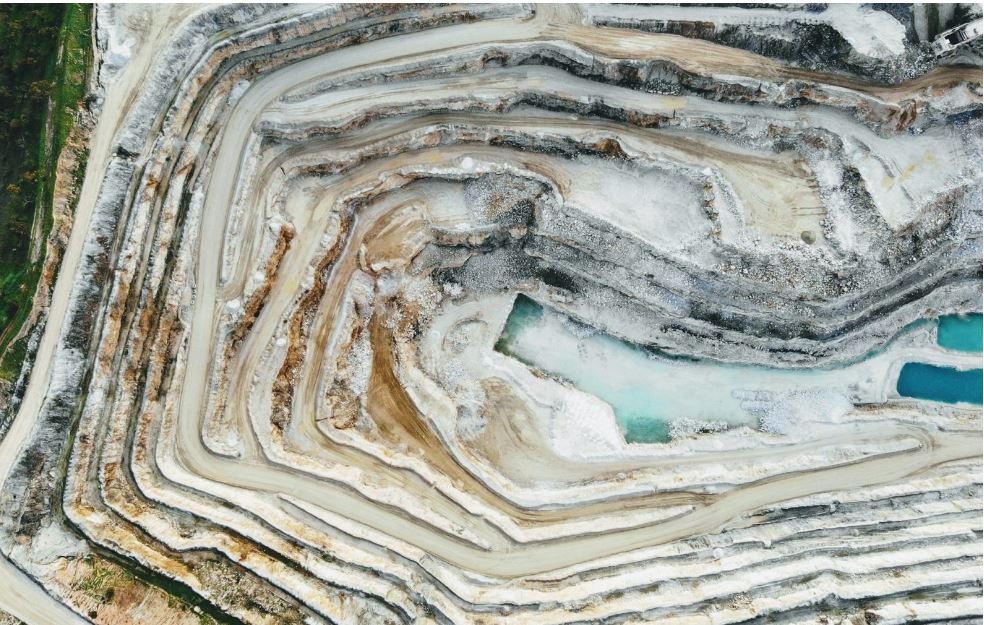
As governments look to transition away from fossil fuels and accelerate the deployment of clean energy, policy makers are dedicating more attention to securing supplies of critical minerals. Materials such as copper, lithium, nickel, cobalt and rare earth elements are…

Lithium has been a major topic not only in our country but also in other countries around the world for some time. This is not a matter of days or months but years of unwavering activism. Several European countries have…