



Newsletter Subscribe
Enter your email address below and subscribe to our newsletter


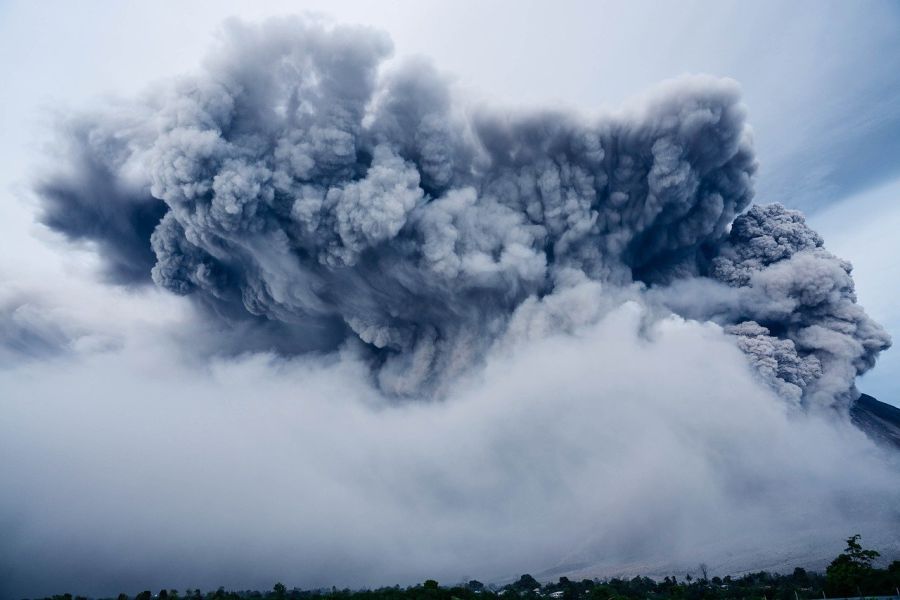
Nature-based solutins refer to a suite of actions or policies that harness the power of nature to address some of our most pressing societal challenges, such as threats to water security, rising risk of natural disasters, or climate change. These…
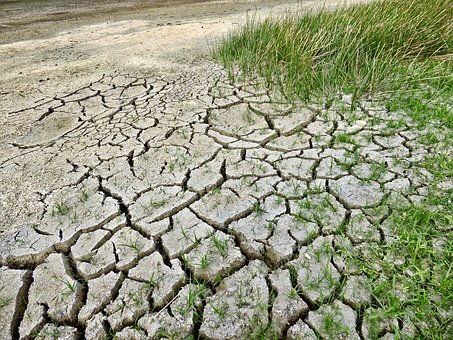
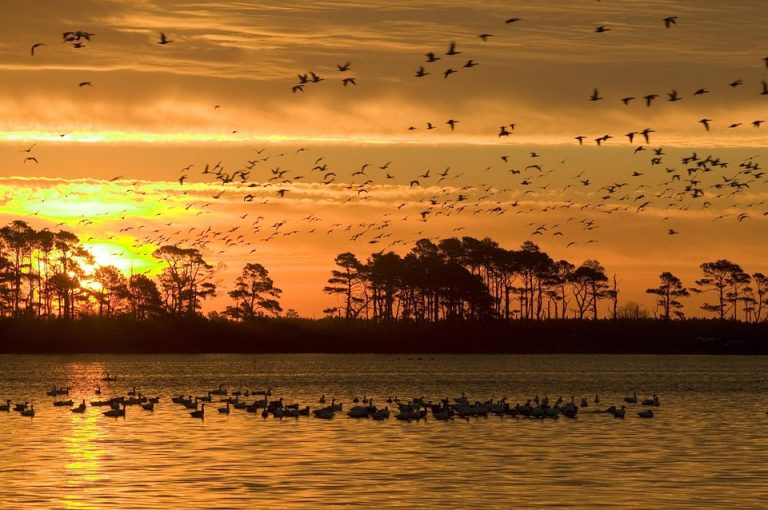
Climate change and extreme weather are threatening human health and safety, food, water and energy security and the environment in Latin America and the Caribbean. The impacts span the entire region, including Andean peaks, mighty river basins and low-lying islands,…

Improving ecosystem integrity is essential to ensuring human and planetary wellbeing. Parties to the Convention on Biological Diversity (CBD) are working to adopt a consistent and accurate method to define and measure ecosystem integrity. In the new paper recently published…

In the next decade, millions of new “green” jobs will be created in new-wave industries, like solar energy, and established fields, like architecture, fashion and farming. For young people, these jobs will represent an opportunity to earn a steady living…

For many locals and tourists, Praslin Island in Seychelles is synonymous with paradise. From the white sands of Anse Lazio, frequently voted as one of the top beaches in the world, to the endemic species of the jungle, to the…
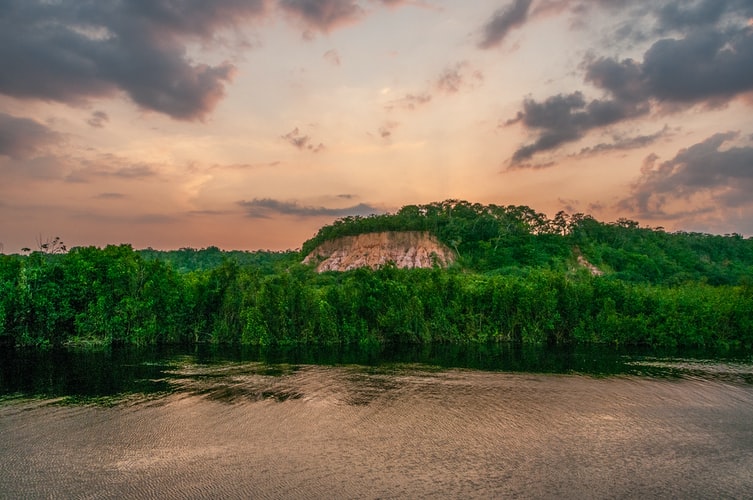
Amazonia hosts the Earth’s largest tropical forests and has been shown to be an important carbon sink. This carbon sink seems to be in decline, however, as a result of factors such as deforestation and climate change, according to a new…
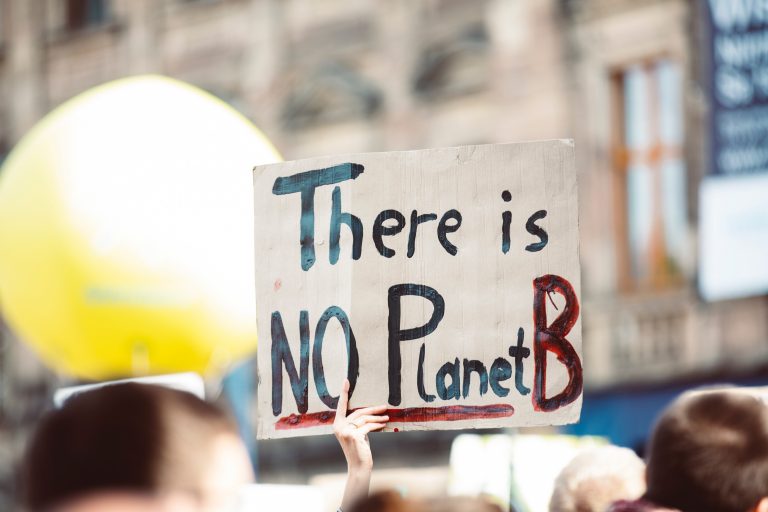
Unprecedented danger will be the new normal if we don’t take urgent action to stop fossil fuel-driven climate change. From Canada and the United States to Russia and even the Arctic, record-breaking heatwaves are putting lives, livelihoods, and communities at risk. The soaring temperatures not only pose…