
Newsletter Subscribe
Enter your email address below and subscribe to our newsletter


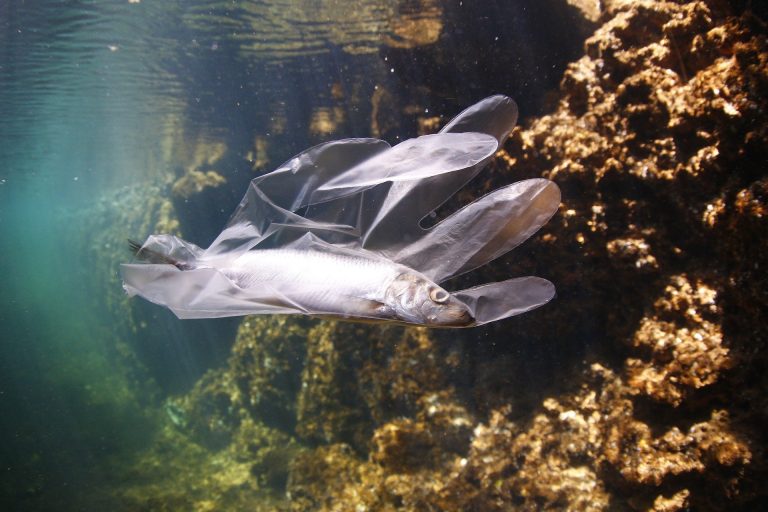
The global sturgeon reassessment published reveals that 100 percent of the world’s remaining 26 sturgeon species are now at risk of extinction, up from 85 percent in 2009. The assessments are based on refined calculations which show their decline over…
Last week, world leaders adopted a landmark declaration at the United Nations’ Ocean Conference in Lisbon to scale up science-based and innovative actions and address the ocean emergency of habitat loss, ocean acidification and ecosystem degradation. More than 150 countries…
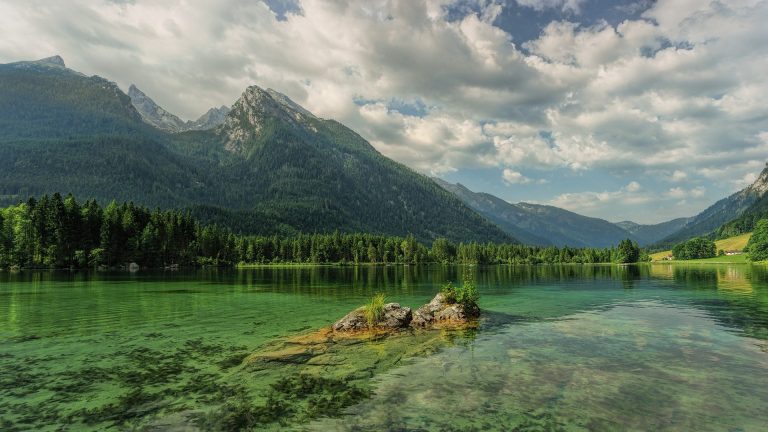
Across the world, lakes fed by rivers, glacial melt, groundwater and rain have played an important role in human civilization and development. They contain 90 percent of the fresh water on the planet’s surface, house an array of wildlife, and…
Covering over 70 per cent of the planet the Ocean has a major role in everyday life. It produces at least 50 per cent of the planet’s oxygen, is home to most of earth’s biodiversity, and is the main source…
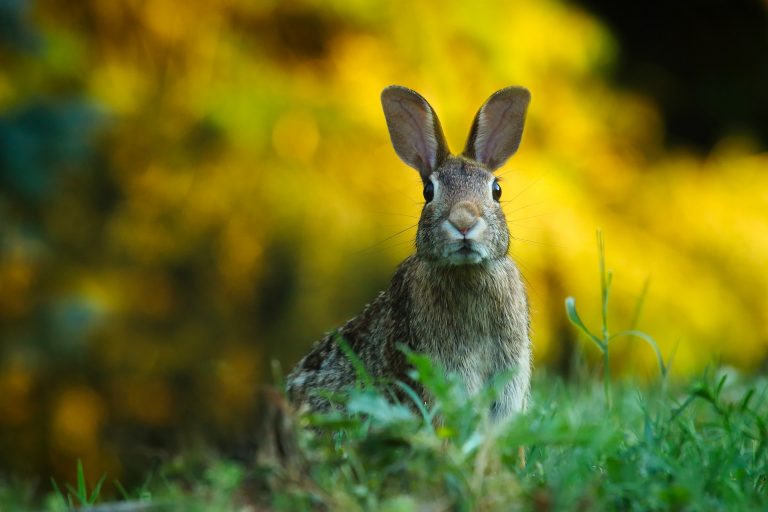
With global biodiversity loss at dangerous levels, 139 countries have received a lifeline to fast-track efforts to conserve, protect and restore species and ecosystems as soon as a new global accord currently under negotiation is approved. The new financing from…
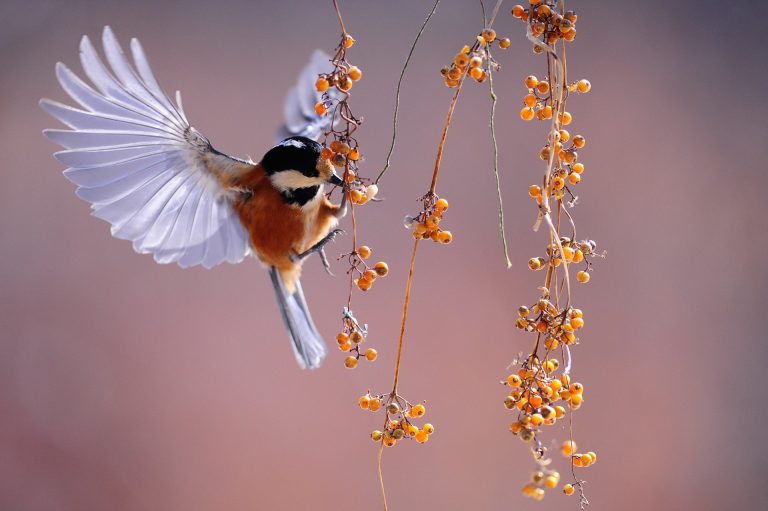
Healthy, biodiverse ecosystems sustain life on Earth by providing air, water and other essential elements. From forests to farmlands to oceans, the planet’s ecosystems are the basis of resources, services and industries. Despite the value nature provides, it is being…
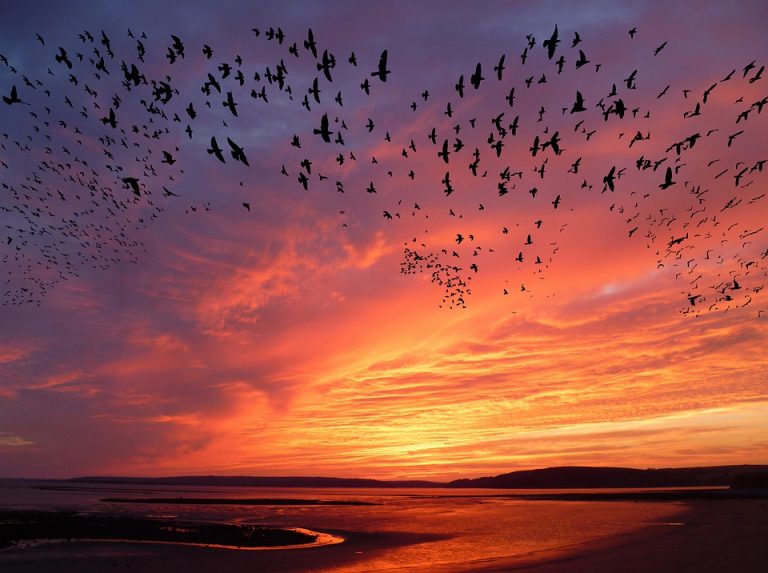
A mass extinction is a short period of geological time in which a high percentage of biodiversity, or distinct species—bacteria, fungi, plants, mammals, birds, reptiles, amphibians, fish, invertebrates—dies out. In this definition, it’s important to note that, in geological time, a…