



Newsletter Subscribe
Enter your email address below and subscribe to our newsletter


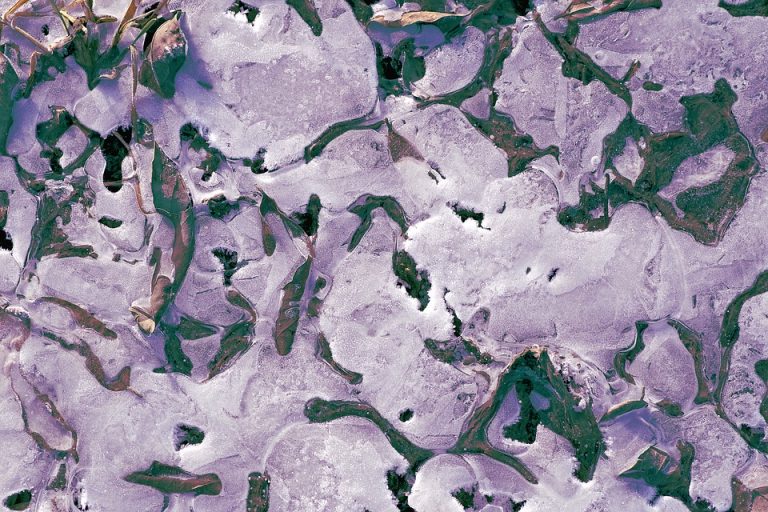
Scientists may need to more than double their assessment of how much carbon dioxide and methane thawing Arctic permafrost will release into the atmosphere this century, according to a study published this month. The paper, published in Nature Communications Aug.…

In 1987, the World Commission on the Environment and Development defined sustainability as a process of meeting the present needs without compromising future generations and their needs. This definition can be expounded into three main aspects on which sustainability rests…
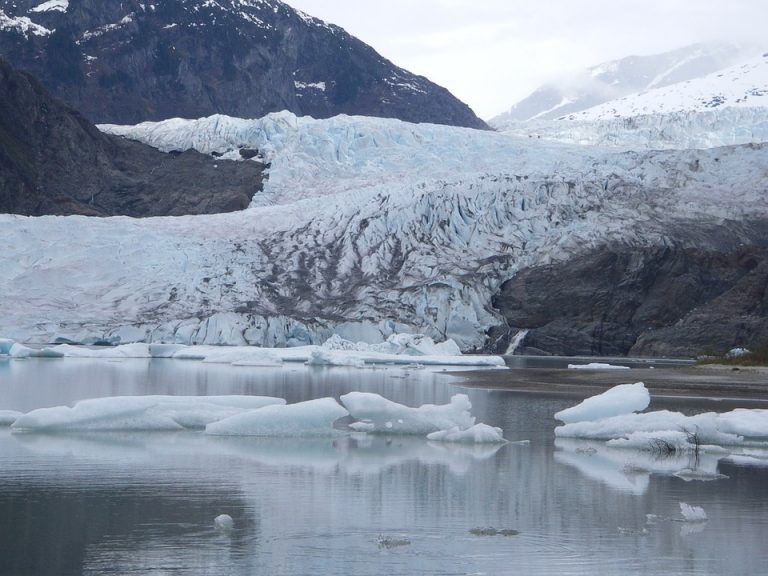
Summer weather patterns are increasingly likely to stall in Europe, North America and parts of Asia, according to a new climate study that explains why Arctic warming is making heatwaves elsewhere more persistent and dangerous. Rising temperatures in the Arctic…

Brazil has just announced that it has cut 2017 greenhouse gas emissions from deforestation to levels far below its 2020 goal. The country originally aimed to reduce emissions from this source by 564 million tons in the Amazon and by…

A domino-like cascade of melting ice, warming seas, shifting currents and dying forests could tilt the Earth into a “hothouse” state beyond which human efforts to reduce emissions will be increasingly futile, a group of leading climate scientists has warned.…
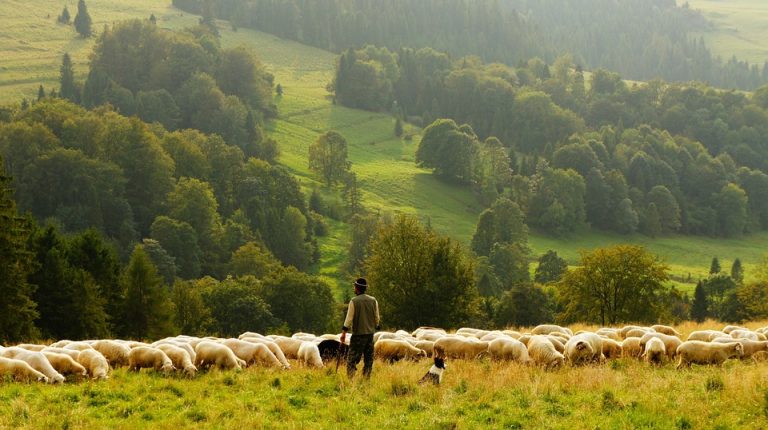
The largest meat and dairy producers could surpass major oil companies as the largest contributors to environmental pollution. That’s according to a new report from the Institute for Agriculture and Trade Policy (IATP) and non-profit GRAIN, which says the five…
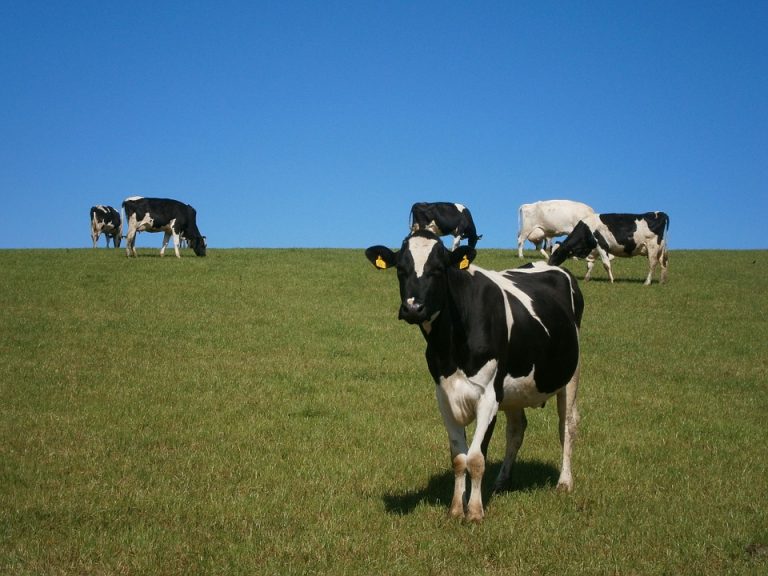
Researchers at the University of California, Davis have found a surprising food source that could help reduce cows’ methane production: seaweed. A recent study from the university suggests bovines who eat an experimental mix of special food and a specific…