




habitat loss
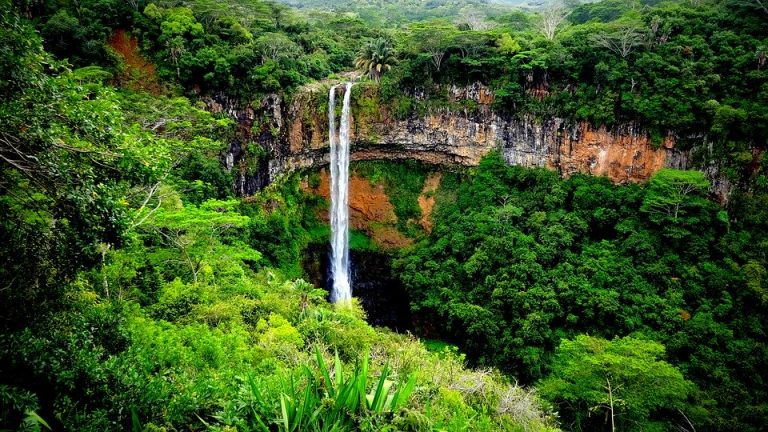
Why Earth Day 2020 Is More Important Than Ever?
22 April is Earth Day. While the coronavirus (COVID-19) has been spreading around the world and dominating news headlines, thoughts and attention, the need to take climate action has remained as urgent as ever. By the end of 2020, global…
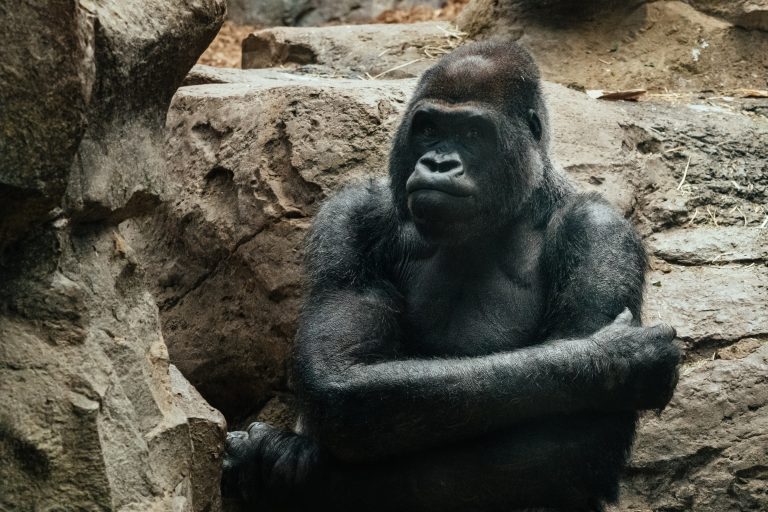
Virus Which Causes COVID-19 Threatens Great Ape Conservation
Both great ape research and tourism have allowed people to learn about chimpanzees, bonobos, gorillas and orangutans, and to observe them from a close proximity. Great ape tourism also serves as an important source of revenue for governments and communities,…
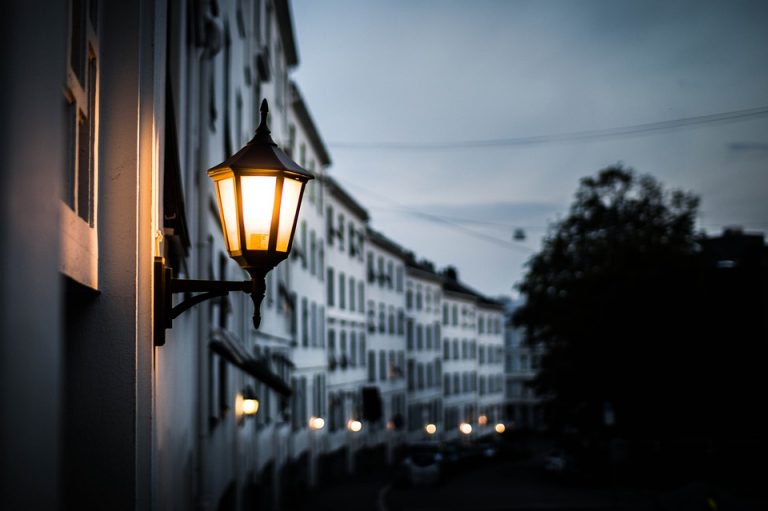
Global Light Pollution Is Affecting Ecosystems – What Can We Do?
For hundreds of millions of years, the web of life on land has been dependent on, and determined by, day and night, light and dark. Photosynthesis, the process by which plants grow, depends on light and dark. And all animals…

Coronavirus Outbreak Highlights Need to Address Threats to Ecosystems and Wildlife
Diseases passed from animals to humans are on the rise, as the world continues to see unprecedented destruction of wild habitats by human activity. Scientists suggest that degraded habitats may encourage more rapid evolutionary processes and diversification of diseases, as…
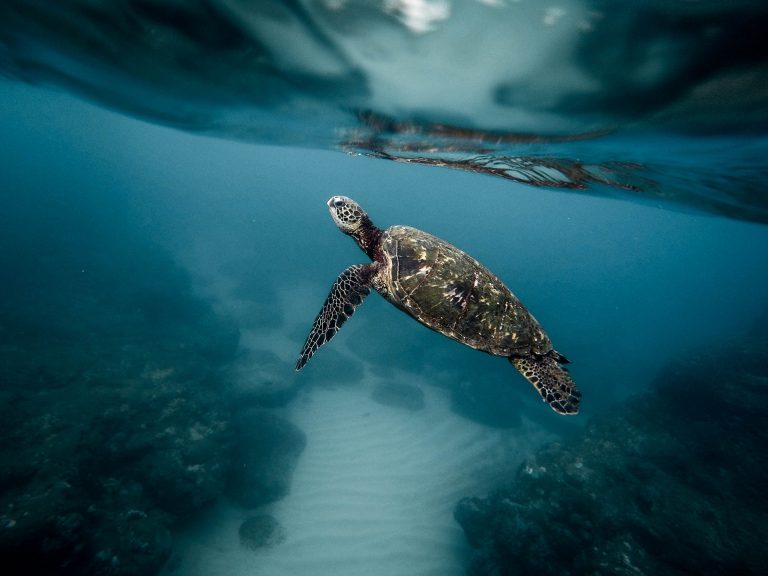
World Wildlife Day Highlights Importance of Sustainable Use of Wildlife in “Biodiversity Super Year”
Joining the global celebration of the United Nations World Wildlife Day, representatives of UN Member States, UN System organizations, international and non-governmental organizations, rural communities and youth gathered at the UN Headquarters in New York and Geneva to mark the…
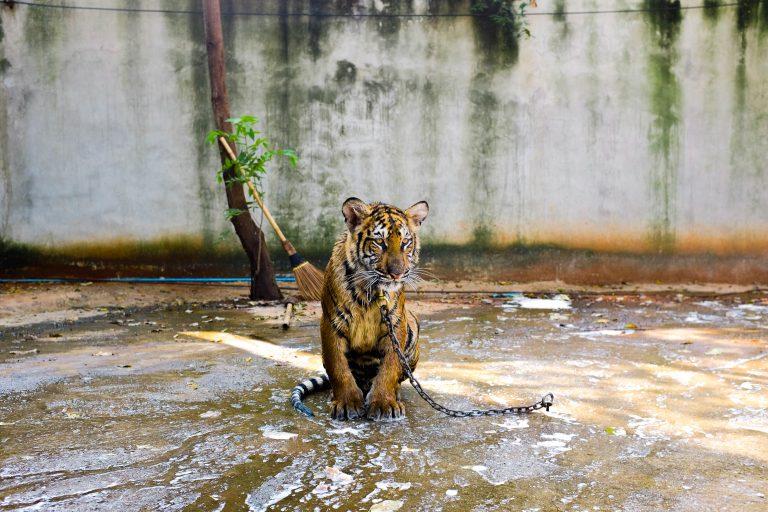
Three Ways the United Nations Environment Programme Works to Address Illegal Trade in Wildlife
The world is dealing with unprecedented threats to wildlife. The loss of habitat from farming, mining and new urban developments has dramatically decreased the natural space for wildlife. Add to that the human demand for wildlife products—which generates as much…
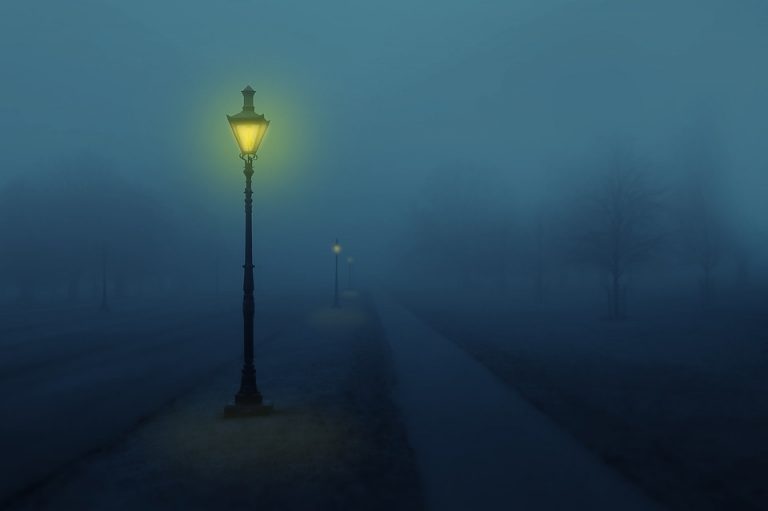
Light Pollution Is Key ‘Bringer of Insect Apocalypse’
Light pollution is a significant but overlooked driver of the rapid decline of insect populations, according to the most comprehensive review of the scientific evidence to date. Artificial light at night can affect every aspect of insects’ lives, the researchers…