


Newsletter Subscribe
Enter your email address below and subscribe to our newsletter


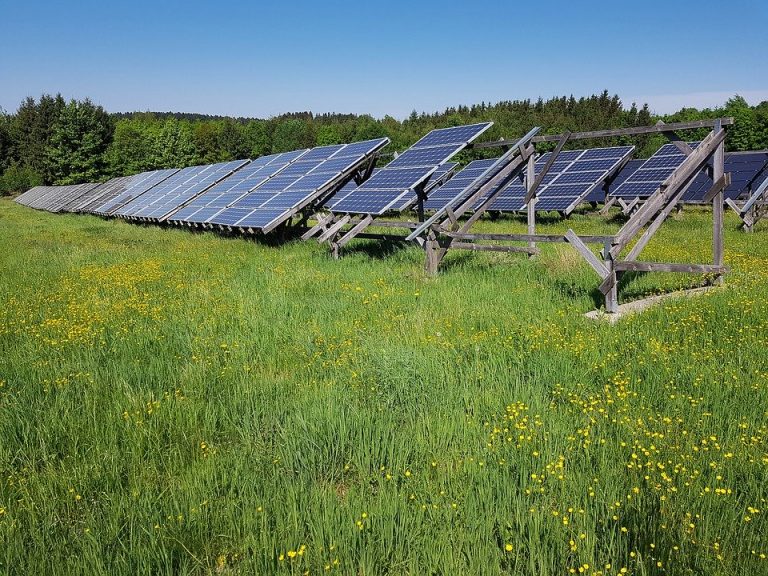
It started as a trickle and now the floodgates are open. Solar arrays that once sat on barren ground are now festooned with plants that attract bees, birds, and butterflies. Even the US Energy Department is getting into the act.…
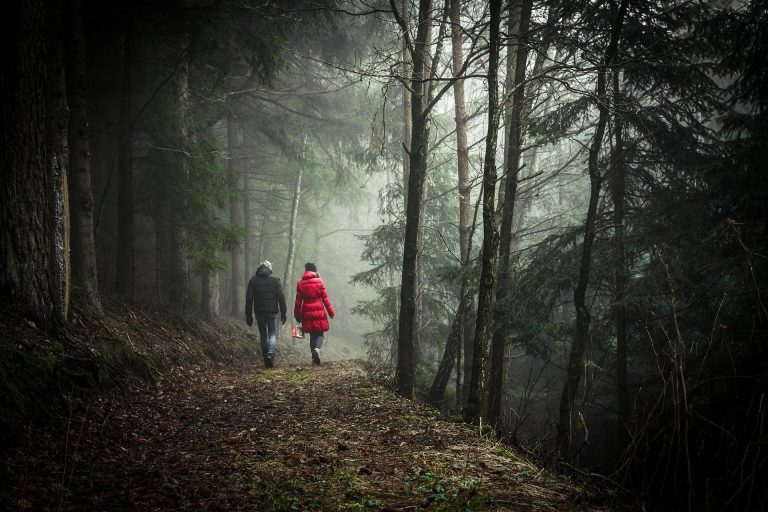
As the United Nations Decade on Biodiversity 2011–2020 comes to a close and countries prepare to adopt a post-2020 global biodiversity framework, this edition of The State of the World’s Forests (SOFO) examines the contributions of forests, and of the…
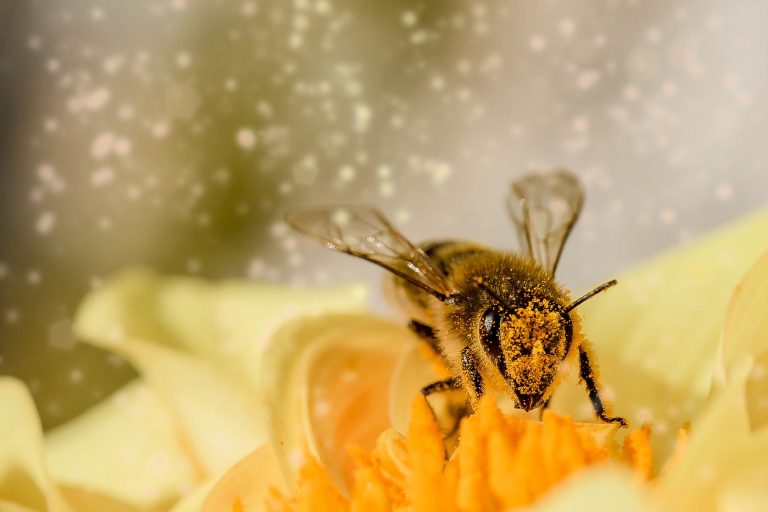
There’s nothing new in nature. Viruses have been around for as long as plants and animals, if not longer. Most viruses are benign to humans and other animals and in fact are essential for life. Some—as humans are finding out…
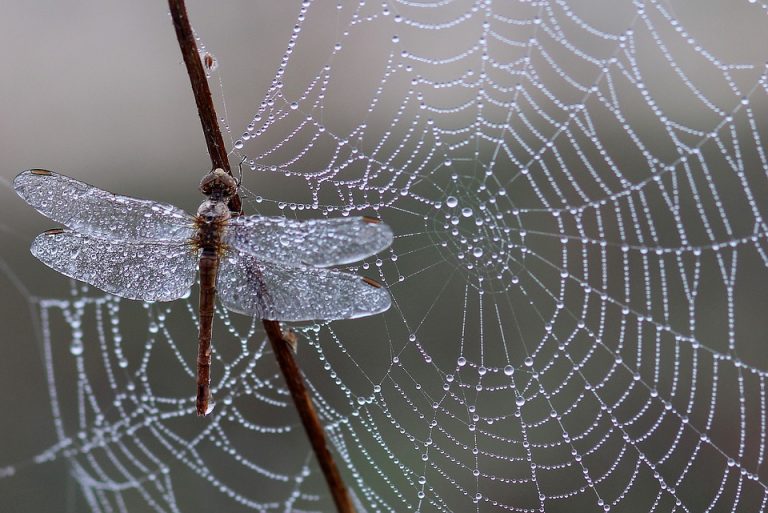
Insect populations have been steadily changing over recent years. A new study, based on 41 countries across 5 continents has found that land-based insects have been declining at a rate of 1% each year. Scientists still do not fully understand…
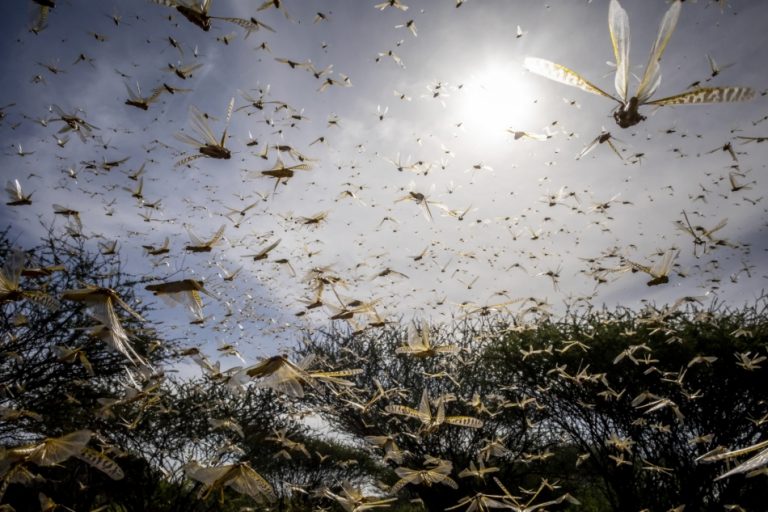
East Africa is going through a massive Desert Locust infestation that’s stripping farming families of food and income and threatening the food security of millions throughout the region. And the number of locusts keeps growing. In emergencies like these, killing…
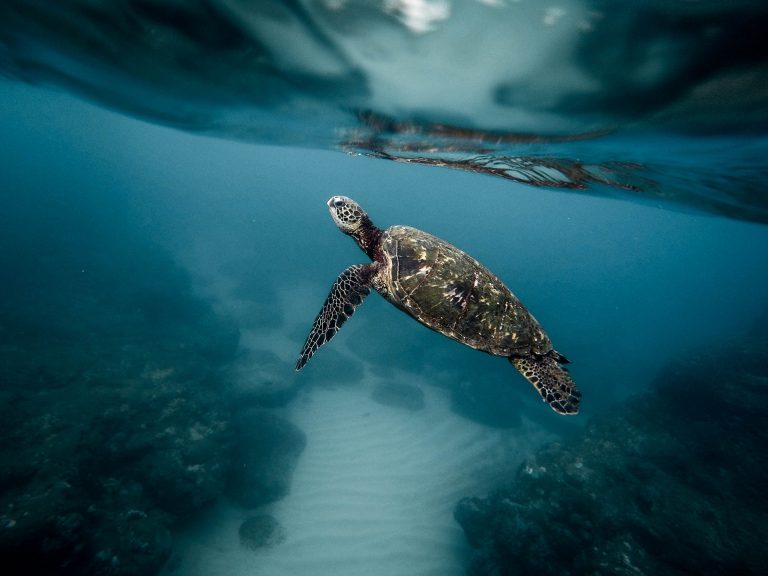
Joining the global celebration of the United Nations World Wildlife Day, representatives of UN Member States, UN System organizations, international and non-governmental organizations, rural communities and youth gathered at the UN Headquarters in New York and Geneva to mark the…
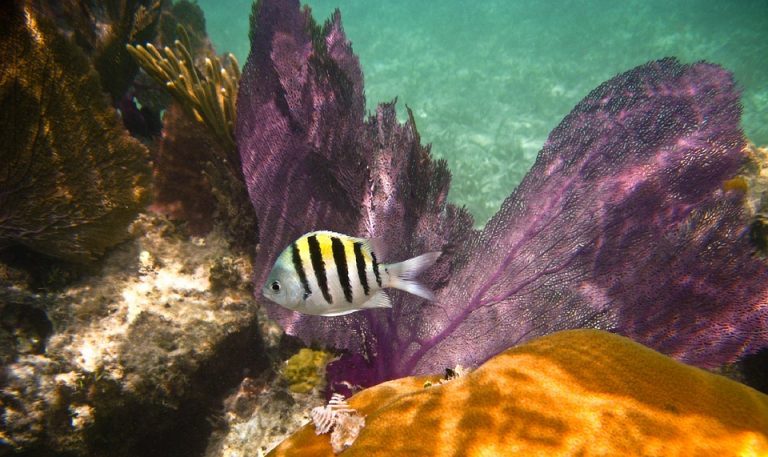
World Wildlife Day (3 March) is a chance to appreciate all that nature provides. This year’s theme, “Sustaining all life on Earth”, gives thanks to our natural world that allows wild animals, plants and humans to thrive in harmony. Among…