
Newsletter Subscribe
Enter your email address below and subscribe to our newsletter



With innovative equipment for digitizing the monitoring of forest areas, Montenegro will prevent illegal logging. The Near Field Communication (NFC) is a technology that enables communication between devices located close to each other and has a wide application. In Montenegro,…
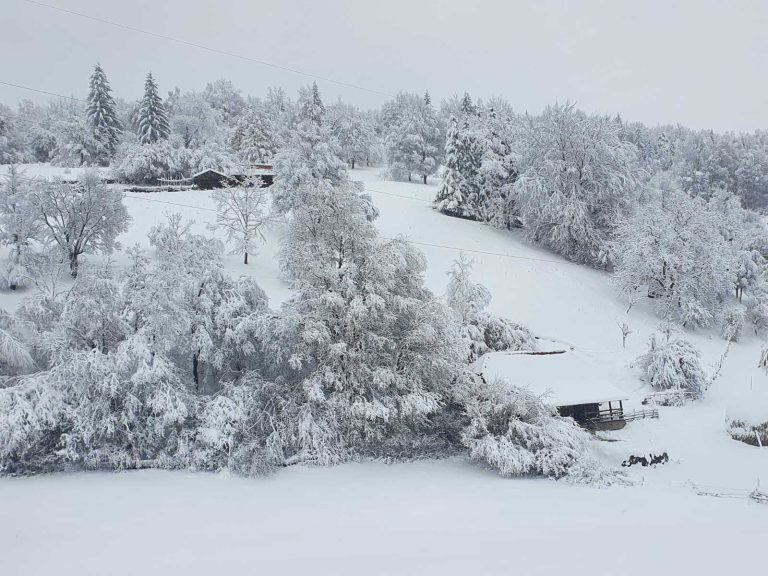
WWF launched its project “Serbia Actions in the Field of Environment, Nature and Climate – SAFE Nature and Climate“ to form a network of civil society organizations that will implement sustainable ideas related to environmental and climate protection. After the…
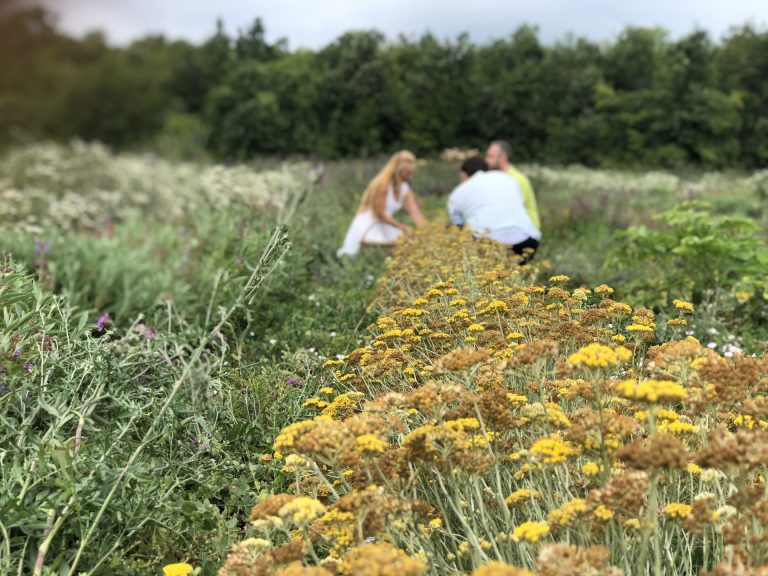
The cosmetics industry imposes new beauty standards on the consumer society in order to then compete with their competitors in fulfilling these new and imposed demands of the same society. In this vicious circle, the true value of beauty imbued…
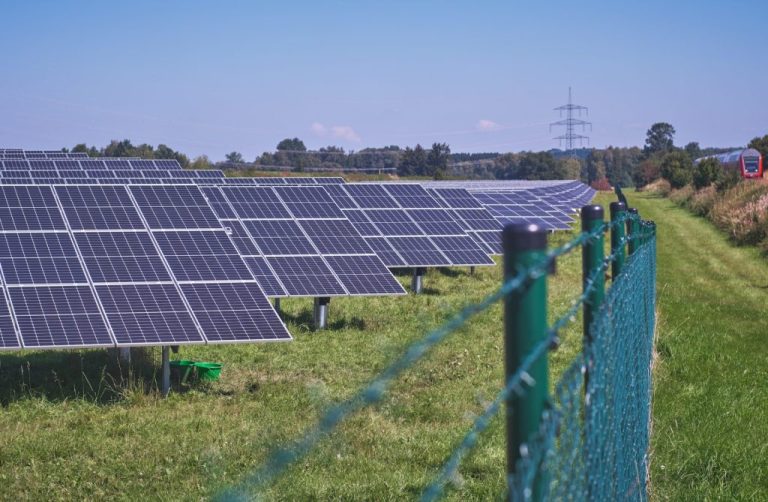
Solar power plants require that the land on which they are installed be accessible and sunny and that there are transmission lines nearby to release the generated energy into the power grid. Taking into account the above requirements, agricultural land…
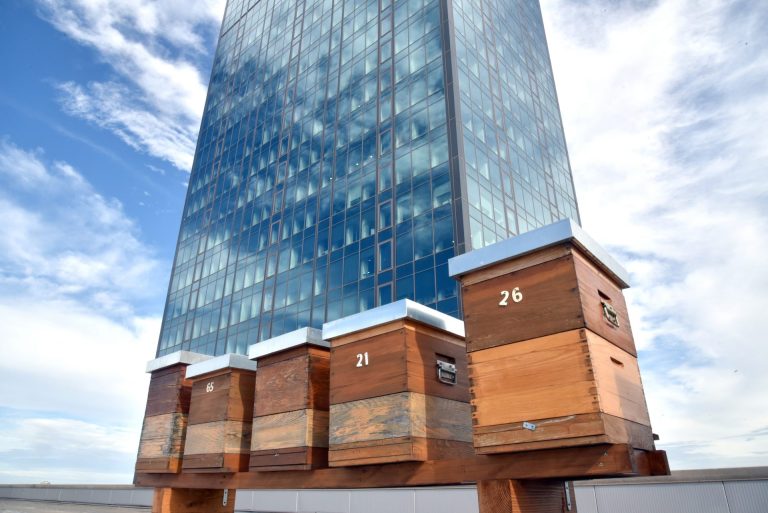
Urban beekeeping involves setting up and maintaining beehives with bees on the flat roofs of buildings in urban areas. Still, we can say that the real answer is environmentally conscious citizens, companies and institutions, those who recognize the importance of…

Almost every piece of advertising, from cosmetics to vehicles, is imbued with green themes, while in reality, they could be found in traces. This trend is also present in spatial planning of cities, where green construction often ends up not…
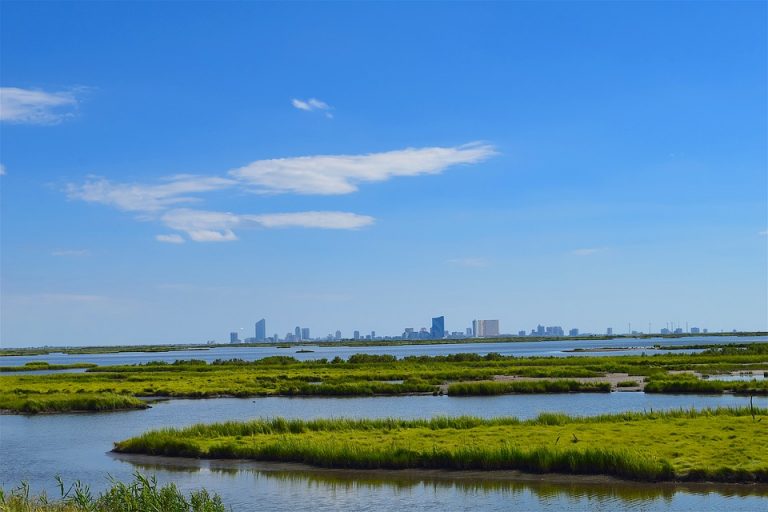
Marsh plants, which are ubiquitous along the world’s shorelines, can play a major role in mitigating the damage to coastlines as sea levels rise and storm surges increase. Now, a new MIT study provides greater detail about how these protective…