

Newsletter Subscribe
Enter your email address below and subscribe to our newsletter
Enter your email address below and subscribe to our newsletter

Unprecedented danger will be the new normal if we don’t take urgent action to stop fossil fuel-driven climate change. From Canada and the United States to Russia and even the Arctic, record-breaking heatwaves are putting lives, livelihoods, and communities at risk. The soaring temperatures not only pose…
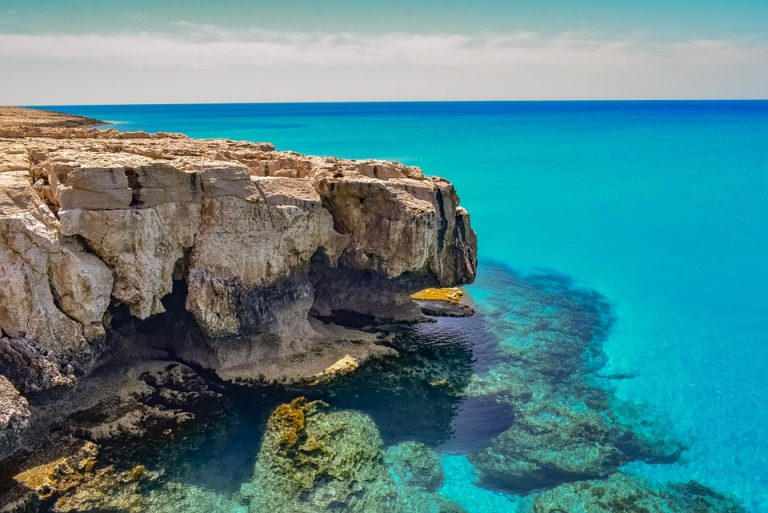
This year’s World Environment Day, officially celebrated on 5 June, focuses on ecosystem restoration, an important aspect of a healthy world. The EBRD’s work with the Northern Dimension Environmental Partnership (NDEP) shows how this can be successfully achieved. The Baltic…
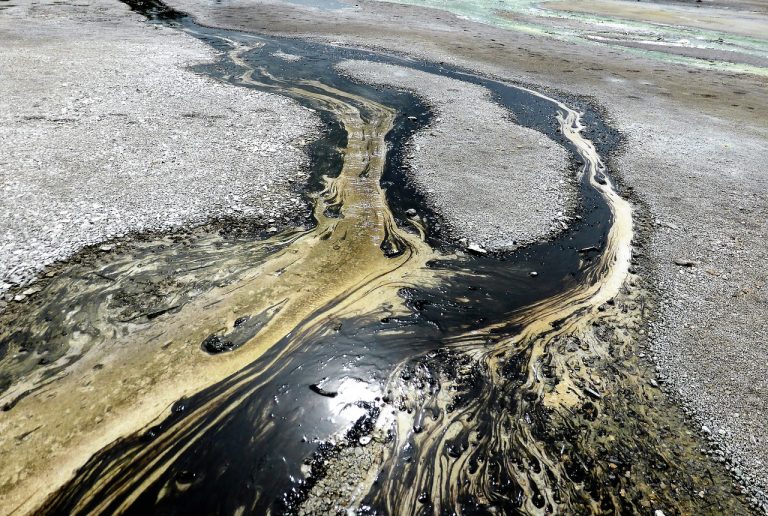
Almost everyone in Russia has heard about the Norilsk accident. In May 2020, more than 20 thousand tonnes of diesel fuel seeped into the soil and water on the Taymyr peninsula in the Russian Arctic and the Ambarnaya River ran red.…
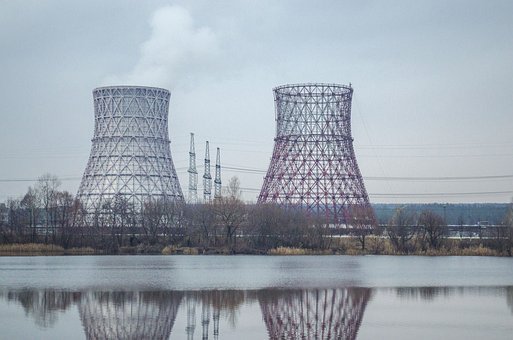
At 01:23:40 on 26 April 1986, the failure of a routine test at the Chernobyl Nuclear Power Plant in Ukraine, then part of the Soviet Union, caused reactor 4 to explode, releasing parts of its radioactive core. It was the…
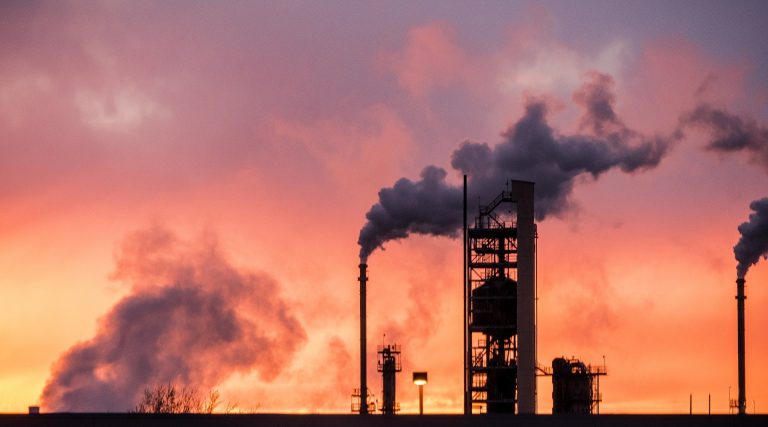
Drop in methane emissions from oil and gas industry in 2020 due mainly to lower production rather than prevention of leaks, says IEA as it releases new ‘how-to’ guide for policy makers to tackle issue. Methane emissions from the global…
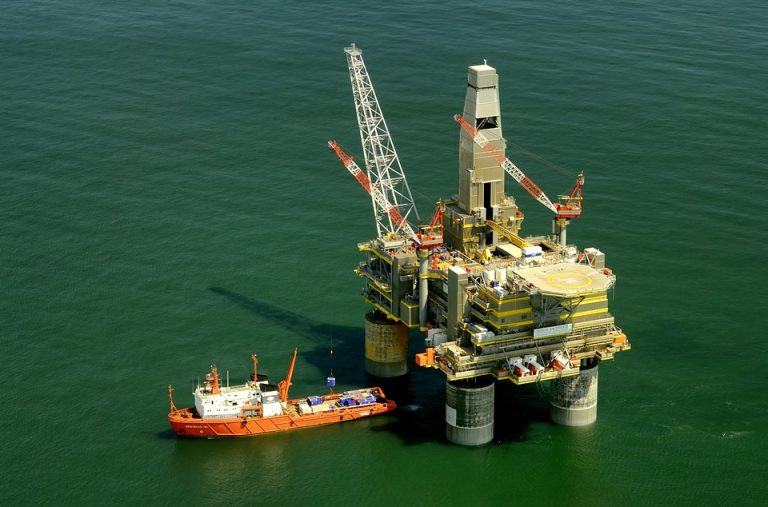
bp today introduces a new strategy that will reshape its business as it pivots from being an international oil company focused on producing resources to an integrated energy company focused on delivering solutions for customers. Within 10 years, bp aims…
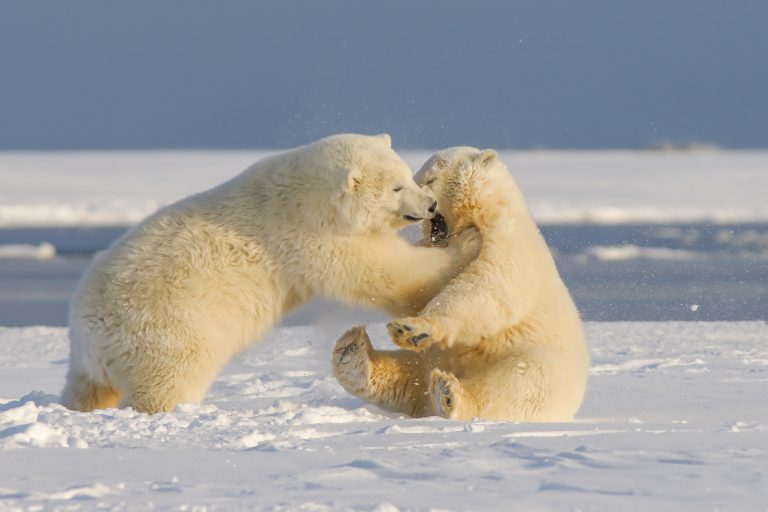
A new study has found that polar bears could be gone by 2100 unless greenhouse gas emissions are reduced. Rising global temperatures, due to carbon emissions, have caused large amounts of Arctic sea ice to melt, leaving polar bears with…